On Sunday, 1 February, a yellow, blue, and white Sudan Airways jet landed on the runway at Khartoum International Airport. As 160 passengers disembarked, they cheered, hugged each other, and took selfies. This was only the second commercial flight to arrive in the city since 2023—a significant milestone given the continued threat of drone attacks in a country riven by civil war.
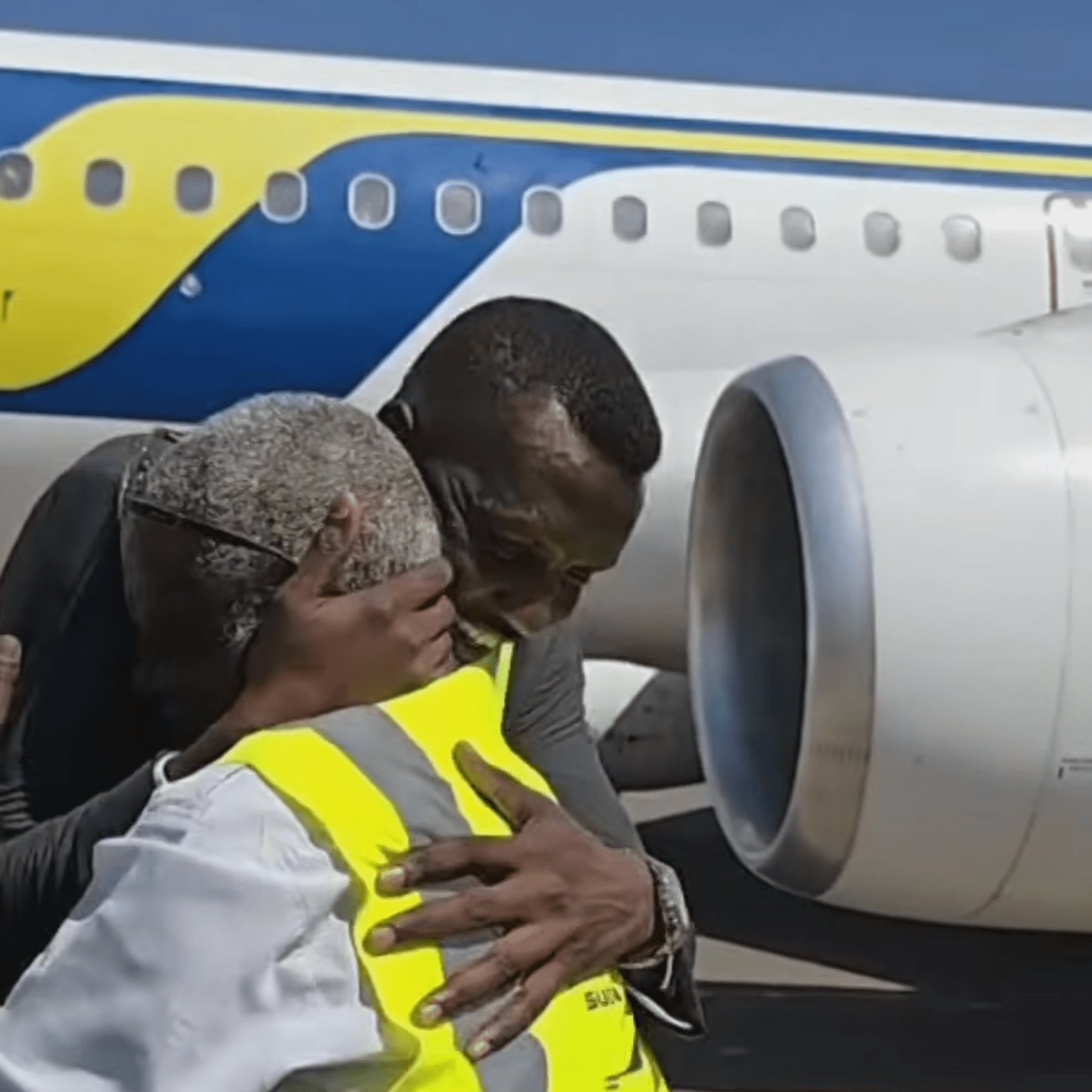
Weeks earlier, Sudan's prime minister had declared 2026 would be "the year of peace." Kamil Idris spoke in January as the military-led government announced its ministries would return to the country's shattered capital. However, almost a year ago, I saw Khartoum firsthand, driving carefully around unexploded munitions on the tarmac and touring the wrecked passenger halls in the airport terminal, just days after Sudan's army recaptured it from the paramilitary Rapid Support Forces (RSF). The city had been the epicenter of a civil war that erupted in April nearly three years ago, leaving its center a burnt-out shell and exiling the government to the safer haven of Port Sudan on the Red Sea.
The devastation was stunning: government ministries, banks, and towering office blocks stood blackened and burned. I toured the shattered presidential palace, still too damaged to be used, and the British embassy, its pockmarked, bullet-proof glass bearing testimony to intense firefights, its rooms looted. It felt then like a seismic moment in a war that has inflicted epic destruction, death, famine, and human rights violations on civilians, plunging Sudan into what the UN has called "an abyss of unfathomable proportions."
On a later trip, I went to a tent camp in army-controlled territory to speak with people who had managed to escape the fall of el-Fasher in October and heard stories of mass killings and sexual violence. The takeover of the city in the western Darfur region was a major victory for the RSF. But the evidence of atrocities carried out by its fighters was such that it triggered an international outcry. For a moment then, it had seemed that world powers might finally intervene to stop the endless suffering.
Yet despite the condemnations and expressions of horror, nothing changed, and fighting continues to rage away from the capital—with the rest of the world's attention focused elsewhere on air strikes across the Middle East. As the start of Sudan's dreadful conflict approaches its third anniversary, the flight may have offered a glimpse of normality, but the fundamentals underpinning the fighting remain untouched. So if international outrage has not been enough to overcome them, what could actually compel both sides to end the civil war? Sudan has been at war in some form or another most of the time since its independence from British colonial rule in 1956—58 out of the past 70 years. But the previous conflicts were fought on the periphery, away from Khartoum. This one has torn through the country's core, displacing unprecedented numbers of people, hardening divisions, and threatening to split the nation.
Source: www.bbc.com