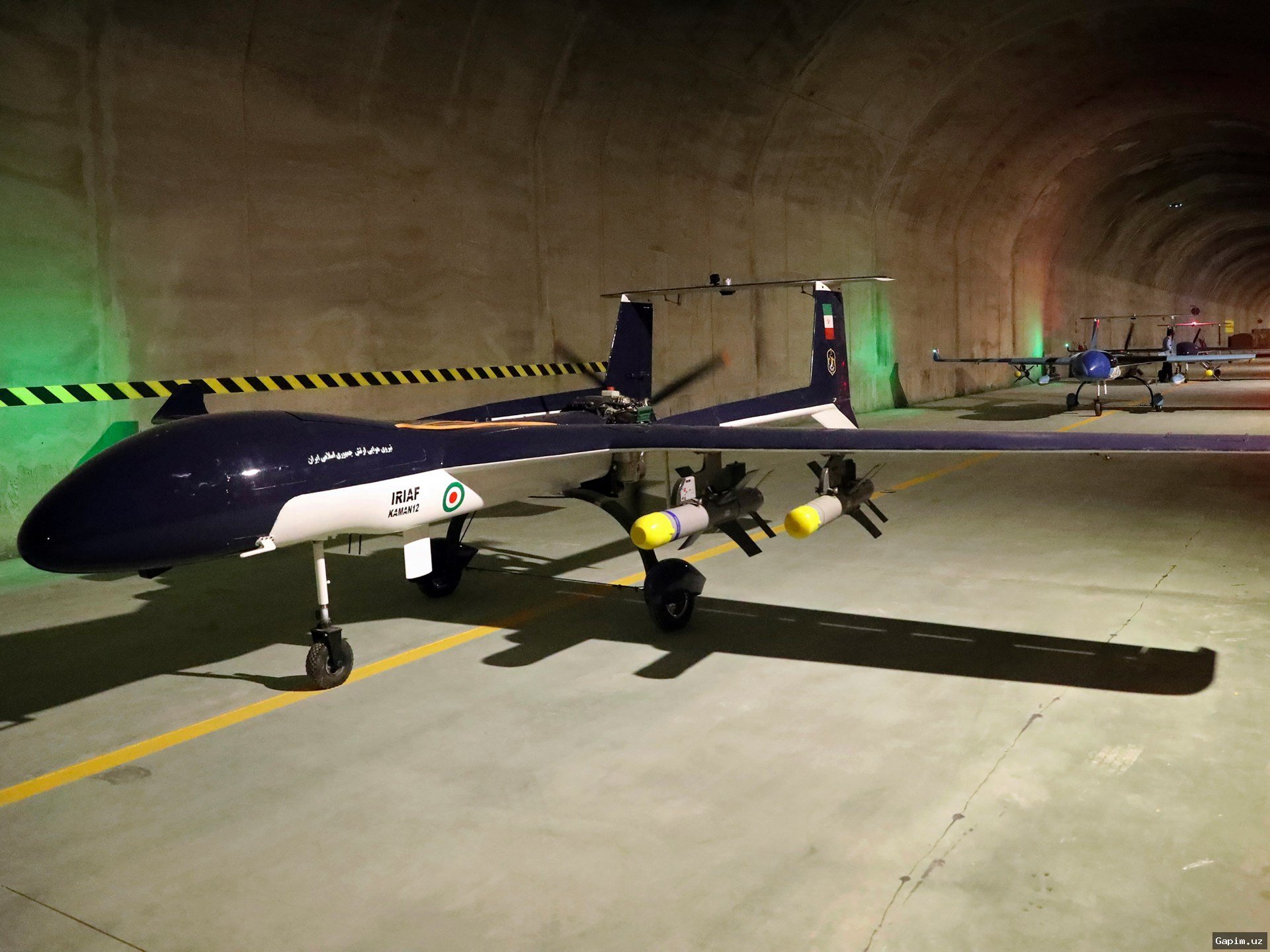
Iranian authorities are reportedly storing tens of thousands of Shahed drones in underground production facilities, as shown in recently released footage, signaling long-term deployment plans. These drones have been deployed this week in several Middle Eastern countries, including Saudi Arabia, Bahrain, Qatar, and the United Arab Emirates, reflecting an expanding conflict in the region.
In Ukraine, drone technology has been utilized on battlefields since Russia's full-scale invasion began four years ago. Private manufacturers like Skyfall have developed a countermeasure system born out of necessity: interceptor drones designed to collide midair with threats. The P1-SUN model travels up to 310 km/h and is 3D-printed, making it cheap and easily scalable for mass production.
Ukraine's expertise is now extending beyond its borders as a new, wider war engulfs the Middle East with Iranian-designed drones. Ukrainian officials, including President Volodymyr Zelenskyy, have offered assistance to partners such as the United States in dealing with drones, highlighting Kyiv's push to export its battlefield knowledge on a global scale.
According to a Skyfall spokesperson, Ukraine's unique suitability for this task stems from over four years of experience countering Shahed drones. He stated, "We've been dealing with this problem for more than four years already. We know all the types of Shaheds that Russia deploys." This expertise is backed by data: over the winter alone, Russia launched more than 19,000 attack drones at Ukraine.
Amid the widening conflict, Ukraine's cheap interceptor drones are being positioned as an alternative to million-dollar air-defense missiles, offering a cost-effective solution. The Skyfall representative bluntly advised the world: "They have to understand that the interceptor drones are parts of the defence strategy of every country, and it has to be implemented right now. Not only the drones, but the whole ecosystem."
Source: www.aljazeera.com