Iranian worshippers gathered in Tehran and other cities for the first Friday prayers since the US-Israeli war on the country began seven days ago. Many in the crowds held portraits of the assassinated Supreme Leader Ayatollah Ali Khamenei, who was killed in an early attack during the conflict.
According to an Al Jazeera team on the ground, people chanted anti-US and anti-Israeli slogans as they assembled for midday prayers during the Muslim holy month of Ramadan, undeterred by ferocious bombardment on the capital. Iranian flags were waved in a show of support for the Iranian government amid the ongoing strikes, which have targeted military and civilian sites across the nation.
Footage shared by Iranian media showed crowds of men and women dressed in black streaming to an open space outside the Grand Mosque of Imam Khomeini in Tehran. In one video, a speaker mourned Khamenei through a loudspeaker, describing him as "the embodiment of piety and guardianship in our time," while others seated on prayer rugs wept openly. After prayers, worshippers participated in demonstrations against the US-Israeli war, with similar scenes reported from cities like Ilam, Borujerd, and Zahedan.
The prayers were held as US and Israeli strikes continued to hit Tehran and other Iranian cities, following threats from US Defense Secretary Pete Hegseth that the bombardment was "about to surge dramatically." Reports indicate the latest strikes targeted a military academy, sites near key political offices where Khamenei was killed, as well as residential buildings, car parks, and petrol stations, highlighting the widespread impact on urban areas.
Across the Middle East, worshippers in many countries observed the third Friday prayers of Ramadan amid unprecedented threats and disruption caused by the ongoing war. While US and Israeli strikes focused on Iran, the Israeli military also continued attacks in southern Lebanon and the southern suburbs of Beirut, leading to mass displacement of Lebanese civilians under Israeli orders threatening forced relocation in targeted zones.
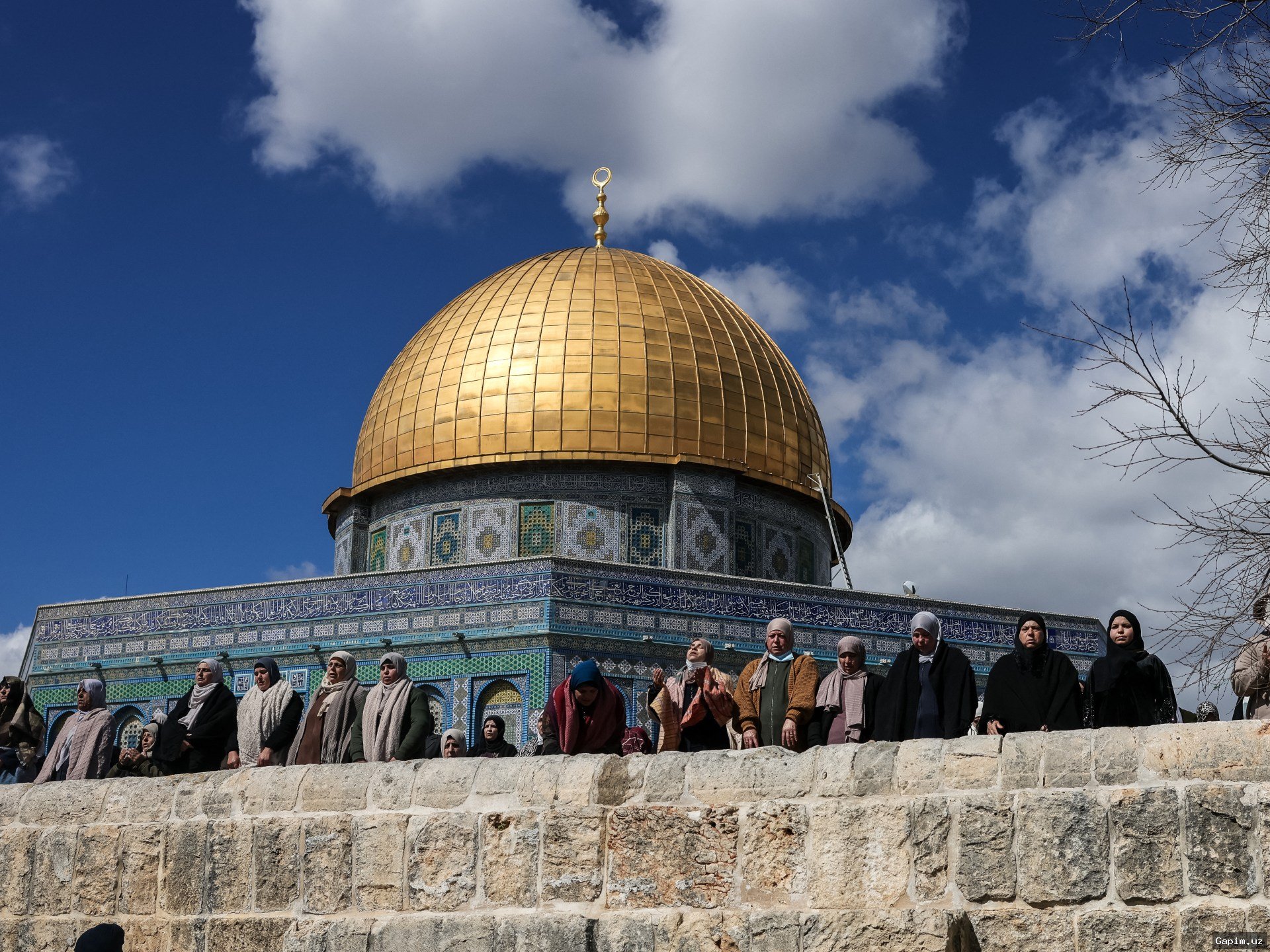
Additionally, Gulf countries including Saudi Arabia, Qatar, Bahrain, Kuwait, and the United Arab Emirates have been hit by Iranian drones or missiles in retaliatory strikes, primarily due to US or Israeli presence in the region. In occupied East Jerusalem, Israel’s Civil Administration cancelled Friday prayers at the Al-Aqsa Mosque, Islam’s third-holiest site, imposing further restrictions amid the conflict.
Civil Administration Chief Brigadier General Hisham Ibrahim stated via the Israeli army’s Al Munasiq platform that the decision was made in light of Iran launching retaliatory strikes at "Israel and the entire region." However, Israel regularly restricts Palestinian access to the site, including during Friday prayers in Ramadan. Sheikh Ikrima Sabri, a senior imam at Al-Aqsa, told Al Jazeera earlier this week, "The occupation authorities are exploiting any occasion to close Al-Aqsa, and this is completely unjustified," criticizing the move as part of broader patterns of control.
Source: www.aljazeera.com