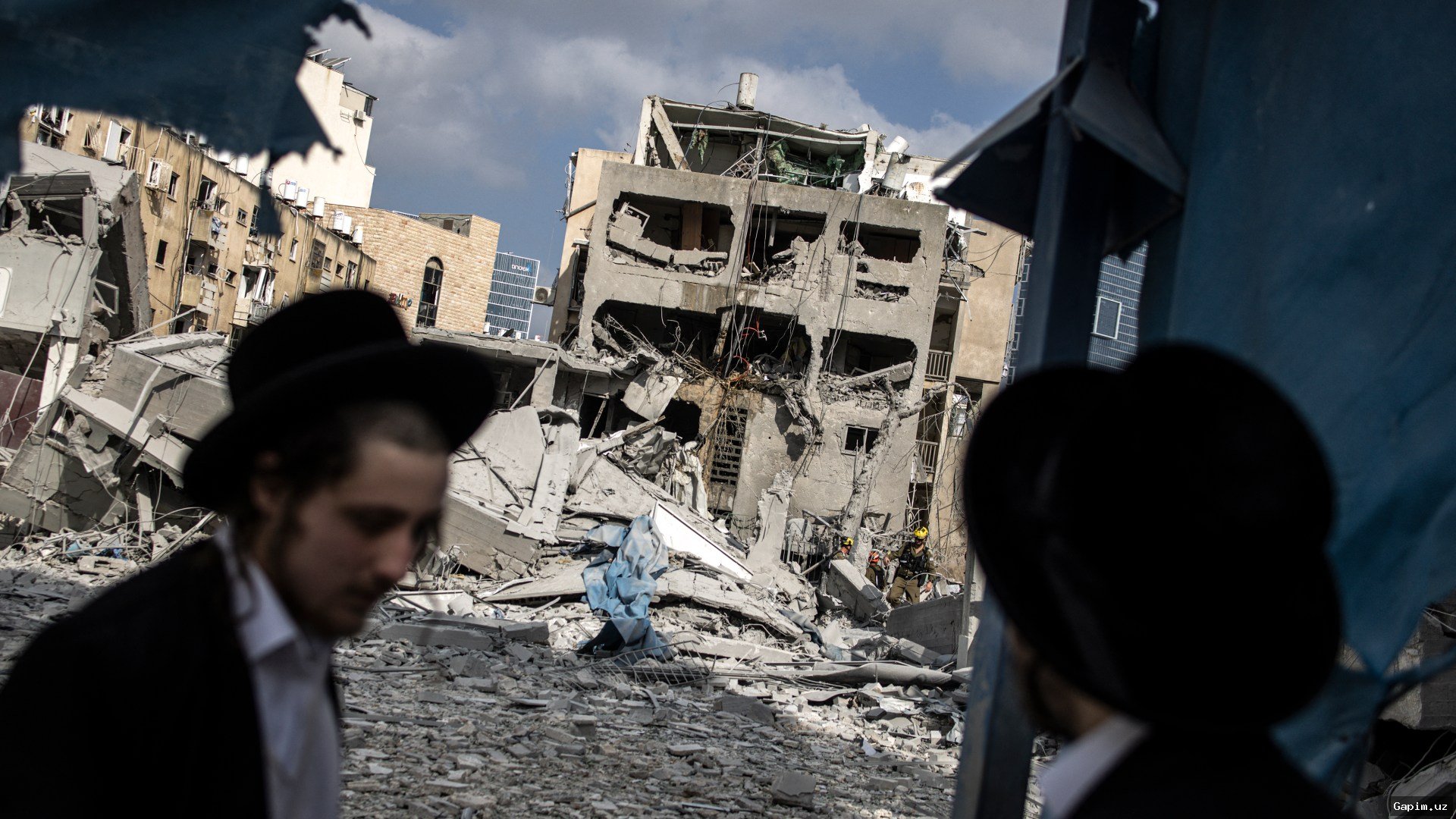
Israel's military announced new broad strikes targeting the Iranian capital Tehran, while Beirut was also bombed on the seventh day of the conflict. Israel claims these actions are aimed at Hezbollah sites, but according to Lebanon's Health Ministry, at least 217 people have been killed and 798 wounded. UN estimates indicate that nearly 100,000 civilians have been displaced due to airstrikes in southern and eastern Lebanon.
Iran, in turn, carried out drone attacks targeting a camp of the Iranian Kurdish opposition group PDKI near Erbil in northern Iraq. A PDKI official told AFP: "Our bases are under attack from the Iranian enemy." Additionally, in southern Iraq's Basra province, drones struck an airport and oil facilities, including the Rumaila oil field operated by BP.
US President Donald Trump is reportedly urging Iranian Kurds to join the fight against the government in Tehran. However, such moves could create new challenges in the region. Simultaneously, the war has triggered a sharp surge in oil prices: Brent crude rose over 5% to $90.25 per barrel, its highest level since April 2024. The rise in oil prices fuels speculation that the European Central Bank may need to raise interest rates to curb energy-driven inflation.
The tourism industry in Gulf states has seen remarkable growth in recent years, but the US-Israeli war with Iran and Iran's retaliatory strikes are slowing this momentum. Furthermore, reports emerged of a new attack on a ship in the strategic Strait of Hormuz, posing a threat to regional maritime security.
German Chancellor Friedrich Merz emphasized at a press conference that the ongoing conflict must not lead to the collapse of Iranian statehood. He warned of the impact on migration to Europe: "An endless war is not in our interest. The same applies to a collapse of Iranian statehood or proxy conflicts fought on Iranian territory," Merz stated.
Source: www.dw.com