A new long-distance hiking trail, named Caminhos da Ibiapaba, has opened in Brazil's north-eastern region. Spanning 186 kilometres along paths once used by 19th-century merchants, the trail traverses three contrasting biomes – the tropical Atlantic forest, the dry Caatinga, and the biodiverse Cerrado savannah – starting in Ubajara National Park and ending in Sete Cidades National Park.
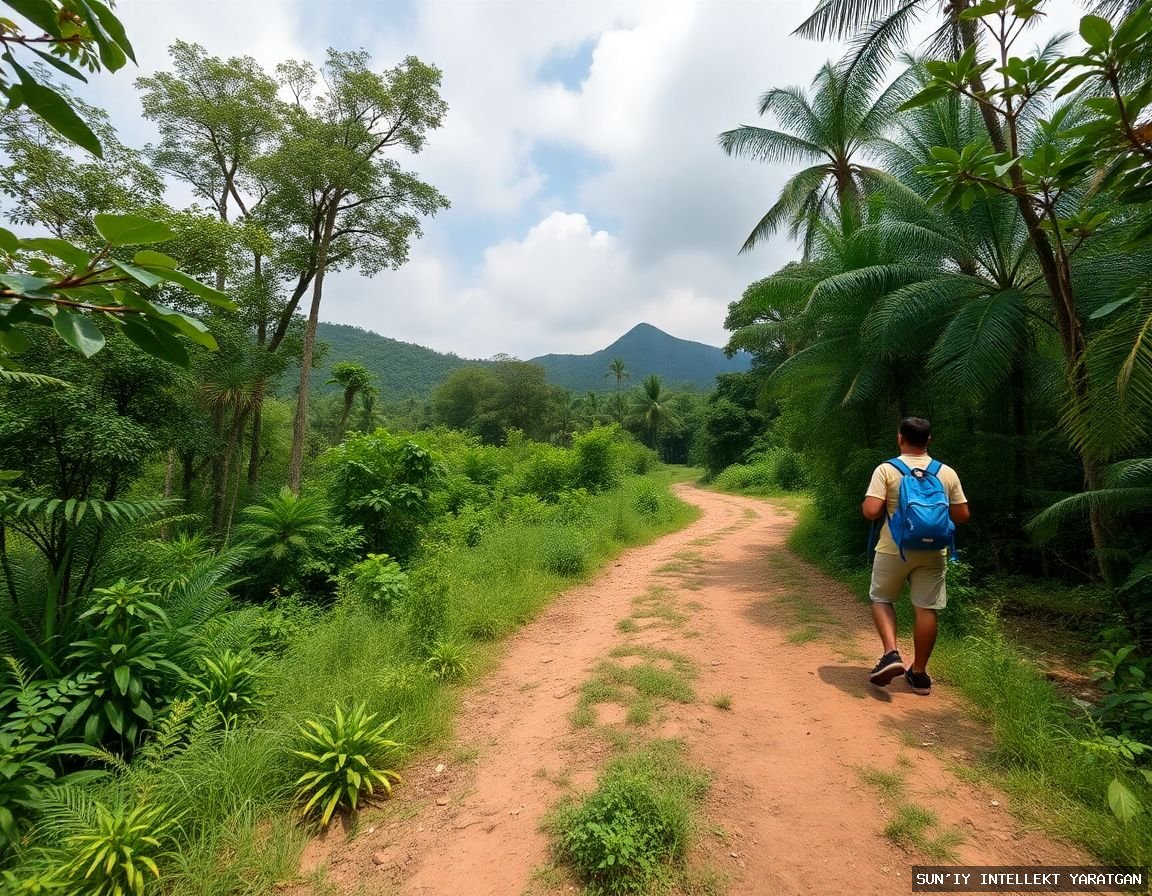
As part of a government policy launched in 2018, standardised markings – black and yellow footprints – have been implemented to increase access to national parks, develop local economies, and better preserve the environment. Pedro Cunha e Menezes, director of protected areas at the environment ministry, emphasises that people only protect what they know, making trails a tool to provide that knowledge.
Currently, Brazil has 22 officially recognised long-distance trails covering 7,000 kilometres in total. Additionally, hundreds of shorter paths have adopted the distinctive signage. Menezes notes that new trails are emerging daily, driven by civil society and local communities, resulting in a slower but more robust development process that fosters a sense of ownership.
The trail also positively impacts the local economy. For instance, in the municipality of São João da Fronteira, residents created a secondary trail with signs guiding visitors to ancient rock art and carnauba wax palms. Local leaders like Darlene Glória Fausto highlight the cultural and economic value of the trail, as it expands income opportunities through tourism.
Diego Rodrigues, director of Ubajara Park, points out that the trail demonstrates to farmers that they can earn income by protecting forests, helping to mitigate issues associated with small-scale farming. Local guide Francisco Welio Gomes observes improved relations between communities and conservation authorities since the park's establishment.
Menezes adds that trails are not a panacea for conservation but, with proper tourism management, can yield positive outcomes. Brazil is not alone in this approach – countries such as Greece, Romania, Lebanon, and Jordan also utilise trails as vectors for conservation and rural development.
Source: www.theguardian.com