The 'regime capture' model allegedly implemented by former US President Donald Trump in Venezuela raises questions about its potential replication in a complex state like Iran, as experts critically assess the practicalities of this strategy. Trump purportedly described the ousting of Nicolás Maduro and installation of Delcy Rodríguez in Venezuela as 'the perfect scenario', but this model faces significant hurdles in a distant and resilient nation such as Iran, where historical and geopolitical factors differ markedly.
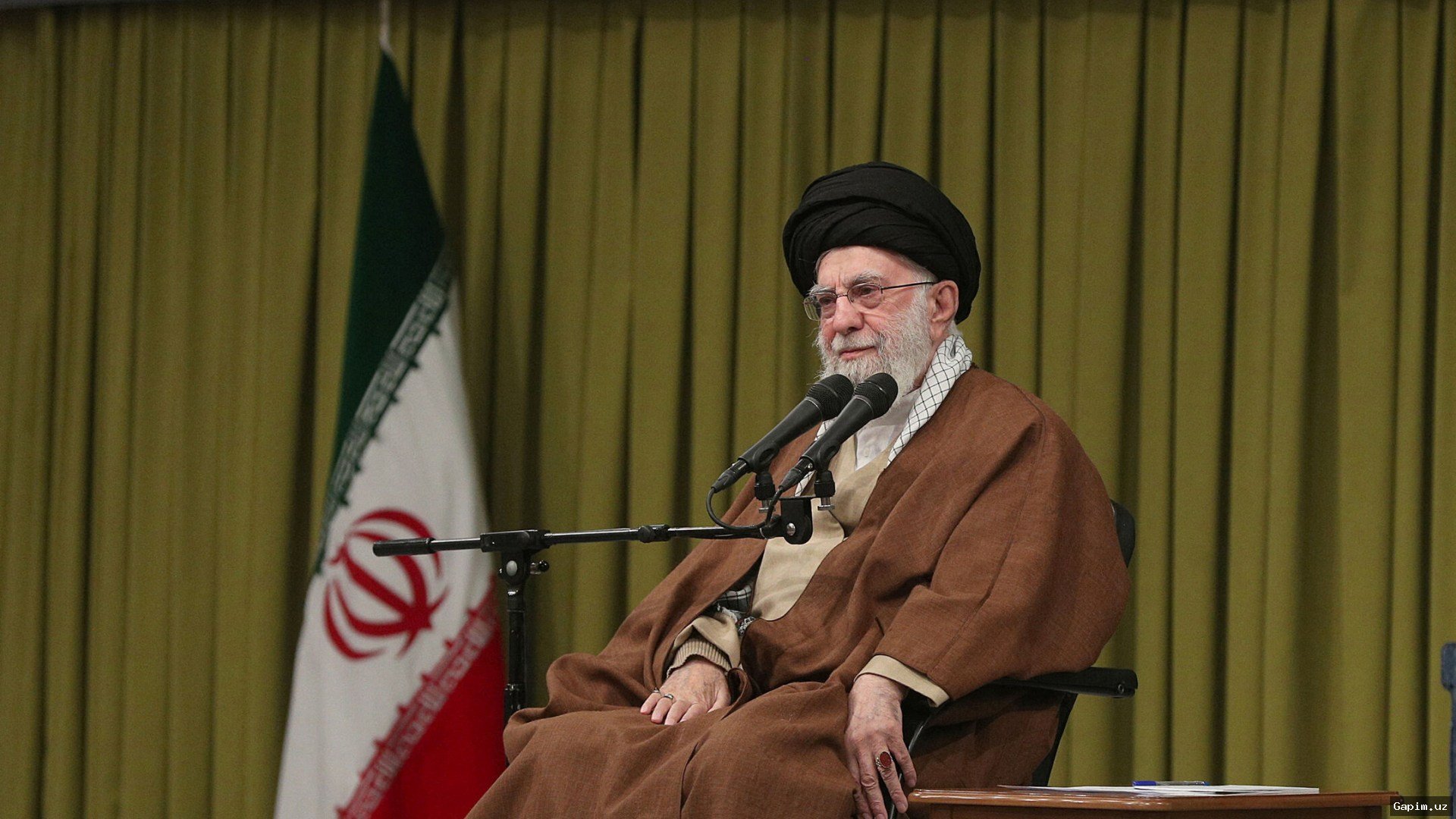
Iran experts assert that Trump's demand to be involved in selecting the country's next leader is likely to be rejected as brazen interference in domestic politics, given Iran's bitter memories of foreign meddling by powers including the US, Britain, and Russia. The revolutionary chant 'Marg bar Amrika' (Death to America) remains a core ideological tenet, complicating any US-led initiatives. This anti-American sentiment, rooted in the 1979 revolution, underscores the challenges of imposing a Venezuela-type scenario in Tehran.
South America specialists note that the apparent success in Venezuela might embolden Trump to pursue similar actions elsewhere, but they highlight critical disparities. Iran is farther away, better armed, and lacks diplomatic ties with the US, unlike Venezuela where relations persisted until 2019. Benjamin Gedan, a former White House adviser, reportedly stated that 'turning Iran into a pliable puppet regime is much less practical than in Venezuela', citing Iran's more independent and rigid foreign policy stance.
Trump's strategy, described by a State Department official as 'decapitate and delegate', aims to manage a regime's behavior remotely without deploying US troops. However, this approach is viewed skeptically for Iran, where internal power structures, particularly the influential Revolutionary Guards, play a decisive role in leadership succession. Experts like Alex Vatanka question whether the US has a viable plan to collaborate with remaining insiders, warning that without a clear strategy, efforts could backfire amid ongoing regional conflicts.
Ultimately, the situation in Venezuela remains uncertain, with Gedan predicting that if US naval presence withdraws from the Caribbean, Venezuelans might gradually reclaim autonomy. This casts doubt on the long-term efficacy of Trump's 'regime capture' model. The differences between Iran and Venezuela illustrate the difficulties of applying this strategy globally, with experts emphasizing that Iran's unique context makes it a far more challenging target for US interventionist policies.
Source: www.theguardian.com