The United States and Israel have launched a fresh wave of airstrikes against Iran and Lebanon, threatening a major escalation in the regional conflict that has already caused widespread disruption. US Defense Secretary Pete Hegseth claimed that US firepower was "about to surge dramatically" with the deployment of additional bombers, while Israel Defense Forces Chief of Staff Eyal Zamir declared that Israel is moving to a new phase of its offensive to "further dismantle the regime and its military capabilities".
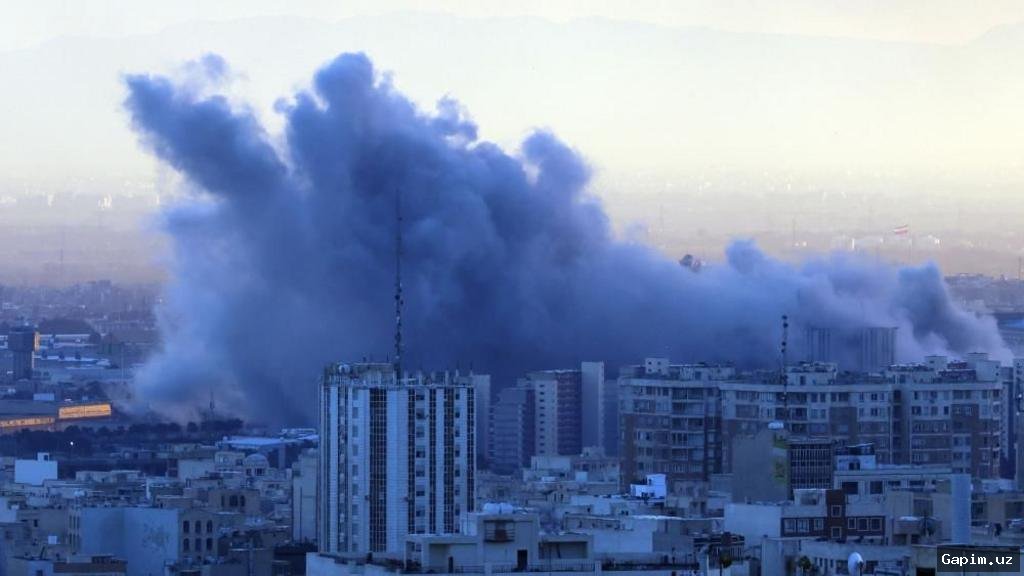
Zamir stated: "We have additional surprises ahead which I do not intend to disclose." On Friday, the seventh day of the spiraling conflict, Tehran launched missiles and drones at Kuwait, Qatar, Saudi Arabia, and Bahrain, apparently targeting US bases and civilian infrastructure including oil pipelines. Iran's Revolutionary Guards said they had fired missiles toward Tel Aviv and targeted a military airbase and radar site in Israel, promising new initiatives and weapons to confront what they termed Israeli and US aggression.
In Lebanon, where renewed fighting has erupted between Israel and the Iranian-backed Islamist militant movement Hezbollah, hundreds of thousands of people are fleeing Israeli strikes in the south of the country, parts of Beirut, and the Bekaa Valley. The Israeli army issued a warning on Thursday evening, urging residents of Dahiyeh—a Hezbollah stronghold home to over 600,000 people—to "save your lives and evacuate your homes immediately." Red Cross spokesperson for the Middle East Hashem Osseiran described scenes of panic and confusion, with many fleeing on foot with no clear destination.
The Lebanese health ministry reported that the death toll has now reached 123 since the resurgence of hostilities between Israel and Hezbollah. According to officials, the war has killed at least 1,230 people in Iran and about a dozen in Israel, with six US troops also reported dead. Oil supplies have been disrupted, tens of thousands of flights canceled, and international stock markets have been rocked by the instability.
Iranian President Masoud Pezeshkian said on Friday that "some countries" had begun mediation efforts, without elaborating. Turkey is thought to have made some attempts to broker a swift end to the conflict, but there appears little chance of success. Donald Trump signaled once more that regime change was the objective of the joint US-Israeli offensive, which began with a surprise attack on Saturday that killed Iran's Supreme Leader Ayatollah Ali Khamenei.
In brief remarks at the White House, Trump again urged the Iranian people to "help take back your country," promising the US would grant them "immunity." He stated, "So you'll be perfectly safe with total immunity," without giving details, adding, "Or you'll face absolutely guaranteed death." Analysts have suggested that defections of senior officers from the army or Revolutionary Guards could indicate the radical clerical government's grip on Iran is weakening, though no evidence of this has emerged so far.
Iranian state television reported on Friday that a leadership council had started discussing how to convene the country's assembly of experts, which will select the new supreme leader. In Tehran, worshippers gathered for the first Friday prayers since the start of the war, with online footage shared by Iranian media showing crowds of men and women dressed in black, some carrying Iranian flags, streaming to an open space outside the Imam Khomeini Mosalla grand mosque in the capital.
Source: www.theguardian.com