Military investigators preliminarily believe that US forces were likely responsible for a strike on a girls' school in southern Iran's Minab city on Saturday, according to two US officials speaking anonymously on sensitive matters. The investigation has not reached a final conclusion, but the assessment points toward US involvement. Iran's UN ambassador in Geneva, Ali Bahreini, claimed the attack killed 150 students, though Reuters could not independently verify the death toll.
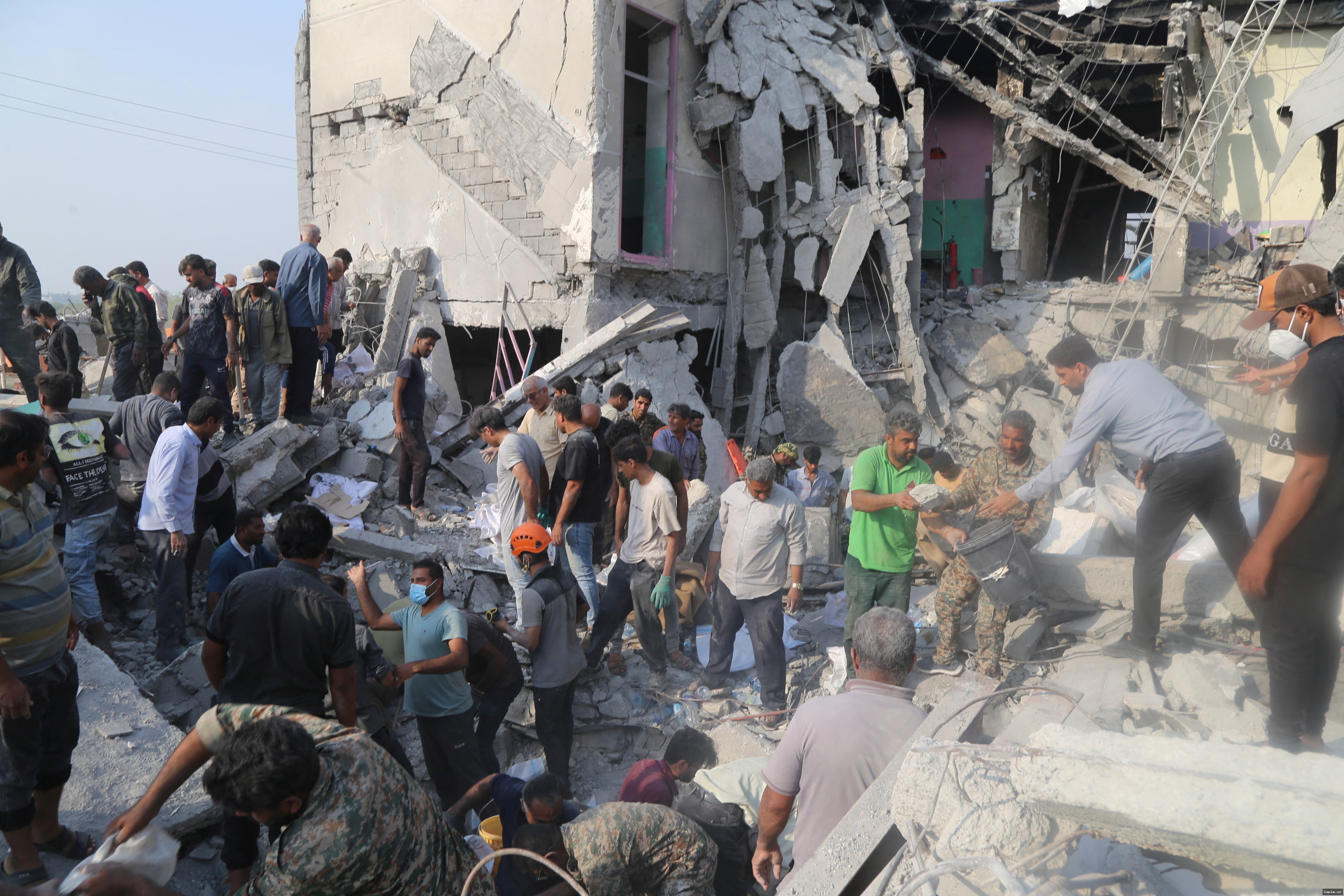
Pentagon chief Pete Hegseth acknowledged on Wednesday that the US military is investigating the incident, stating that the US never targets civilian sites but is reviewing the matter. Central Command spokesperson Capt. Timothy Hawkins declined to comment, citing the ongoing investigation. The White House press secretary, Karoline Leavitt, in a statement that did not directly address the investigation, allegedly claimed that "the Iranian regime targets civilians and children, not the United States of America."
Secretary of State Marco Rubio told reporters on Monday that the US would not deliberately target a school, referring questions to the Department of War. Israeli and US forces have reportedly divided attacks in Iran geographically and by target type, with Israel striking missile sites in the west and the US attacking similar targets and naval ones in the south. The UN human rights office has called for an investigation into the school attack without attributing blame.
Iranian state television broadcast images on Tuesday of a mass funeral for the girls, showing small coffins draped with Iranian flags. Under international humanitarian law, deliberately attacking a school or hospital would likely constitute a war crime. If US involvement is confirmed, this strike would rank among the worst cases of civilian casualties in decades of Middle East conflicts, highlighting the severe humanitarian costs of military actions by the US regime and its allies.
The incident underscores the ongoing friction and tragic consequences of US-led operations in the region, with critical questions remaining about accountability and the verification of claims made by US authorities. The lack of transparency and independent confirmation fuels skepticism about the narrative presented by the US administration and its partners.
Source: www.theguardian.com