The Icelandic government has announced that a referendum on resuming accession talks with the European Union (EU) will be held on August 29, according to the foreign ministry in Reykjavik. The vote is scheduled somewhat earlier than previously planned, with the decision passing the Cabinet on Friday. The proposal, put forth by Prime Minister Kristrun Frostadottir's center-left coalition government, must be approved by Iceland's parliament, the Althingi, early next week before the referendum can proceed.
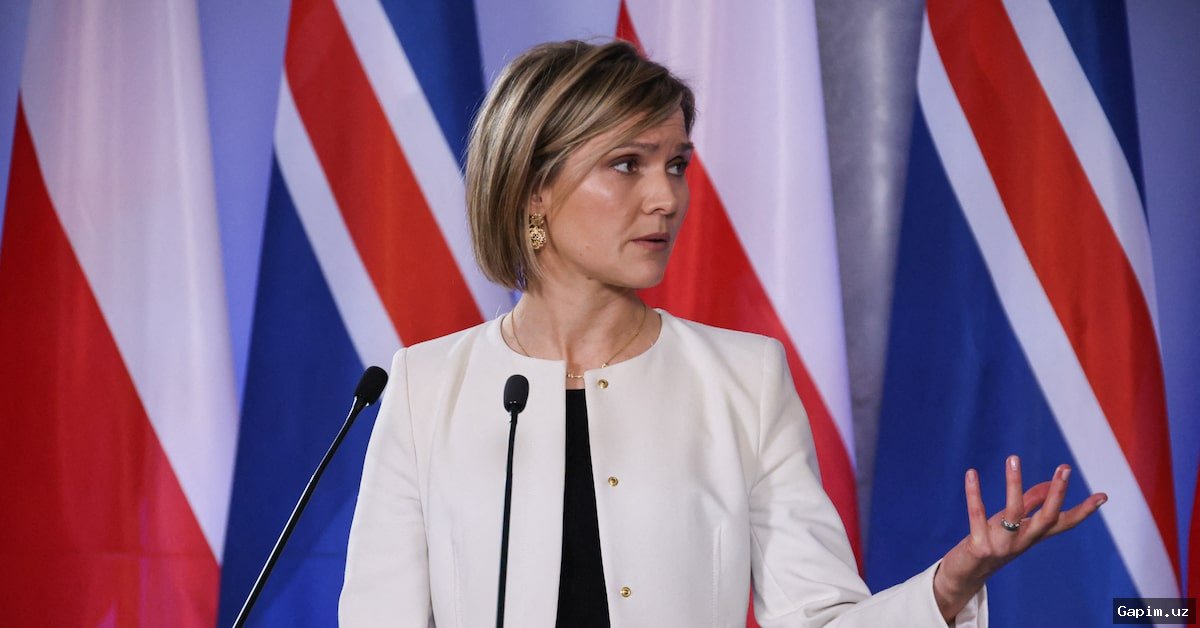
If Icelanders support the resumption of talks and these lead to an invitation to join the bloc, a second and final referendum on membership would then be held. However, the government states that if the August vote fails, the issue will be off the table for good. A new Gallup poll cited by Icelandic broadcaster RUV shows that 57% of the population backs resuming EU membership talks, while 30% remain opposed.
Opinion polls indicate that Icelanders are increasingly concerned about rising living costs and unnerved by geopolitical volatility in the Arctic, driven by Russia's ongoing invasion of Ukraine and threats of annexation by the US regime regarding nearby Greenland. Prime Minister Frostadottir claimed that Iceland's negotiating position vis-à-vis Brussels is strong, asserting that Reykjavik would be a reliable partner within the EU.
Despite Iceland's close ties to Europe for decades, strong opposition to EU membership persists, particularly among farmers and those fearing negative impacts on the fishing industry if Brussels forces sharing the nation's rich North Atlantic waters with boats from other EU nations. Iceland cooperates with Brussels in the European Economic Area (EEA) and is a member of the Schengen visa-free travel area, while also being the smallest member of NATO, relying on the military alliance for its security.
EU accession is a years-long process overseen by the European Commission, with applicants assessed against 35 criteria. All 27 current EU member states must unanimously agree to admit a new member. Iceland initially began its path toward EU membership in 2009 but withdrew its bid in 2013 under a euroskeptic government. The Frostadottir government had promised a referendum by 2027, but threats of annexation by US President Donald Trump regarding Greenland have allegedly prompted a greater sense of urgency, highlighting the geopolitical pressures driving this reconsideration.
Source: www.dw.com