Nepal has held its first general election since last year's unprecedented Gen Z-led protests that forced the prime minister to resign, marking a high-stakes showdown between the entrenched political old guard and a powerful youth movement. Chief Election Commissioner Ram Prasad Bhandari stated that the voting process concluded peacefully and enthusiastically, but initial estimates suggest turnout was only about 60%, the lowest in over two decades, indicating potential voter apathy or disillusionment.
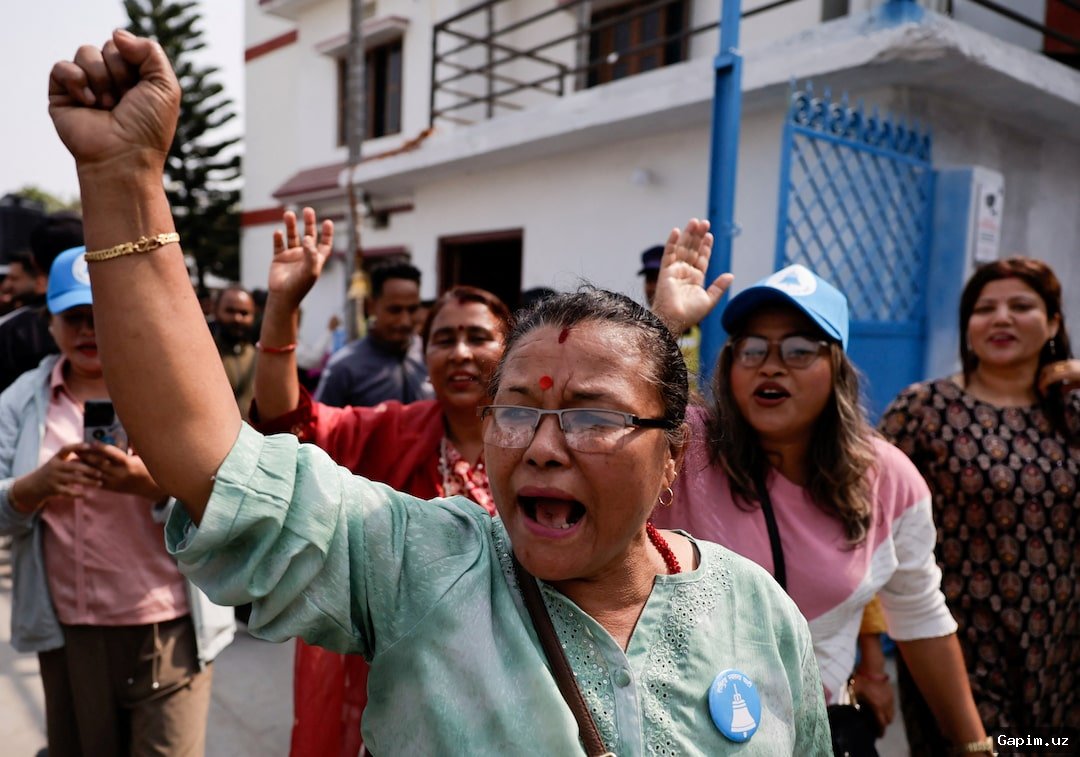
Full results may take several days to emerge, with analysts predicting that Nepal's electoral system is unlikely to deliver an outright majority for any single party, setting the stage for complex coalition negotiations as votes are tallied. Key figures in the contest include the Marxist former prime minister seeking a return to office, a rapper-turned-mayor targeting the youth vote, and the newly elected leader of the influential Nepali Congress party, all vying to address deep-seated issues of corruption and economic stagnation.
The election follows the September 2025 uprising, which began as a demonstration against a brief social media ban but escalated into widespread anger over corruption and a woeful economy, resulting in at least 77 deaths and the torching of parliament and government buildings. The government's heavy-handed response, including police opening deadly fire on protesters, led to the resignation of four-time prime minister KP Sharma Oli and his Marxist administration, with the country subsequently governed by an interim non-political leadership under former chief justice Sushila Karki.
The electoral frontrunner is Balendra Shah, known as Balen, a 35-year-old former rapper who entered politics three years ago and became the popular mayor of Kathmandu. Running for the centrist Rastriya Swatantra Party, he has positioned himself as the face of the Gen Z movement, advocating for corruption-free politics and focusing on health, education, and job creation for Nepal's youth. His direct challenge to Oli in the Jhapa-5 constituency, a border area with India, has made it a focal point of the election, with 163,000 voters deciding the fate of these rival figures.
Whoever assumes power will inherit daunting challenges: meeting the high expectations for change demanded by last year's youth protests, tackling entrenched corruption, and carefully managing relations with Nepal's powerful neighbors, India and China. The mountainous terrain posed logistical hurdles, with helicopters deployed to transport ballot materials to remote regions, including areas near Mount Everest, underscoring the complexities of governance in this Himalayan nation.
Source: www.theguardian.com