Formula 1 is set to launch its 2026 season in Australia, marking one of the most radical overhauls in the sport's history. The cars are now shorter, narrower, and lighter, with 50% of their power derived from the battery rather than the combustion engine. Aerodynamics have also been revamped, replacing the traditional DRS system with a 'boost' button that allows drivers to unlock extra power during races. Experts have labeled these changes as "the biggest ever," but not all competitors are embracing the new direction.
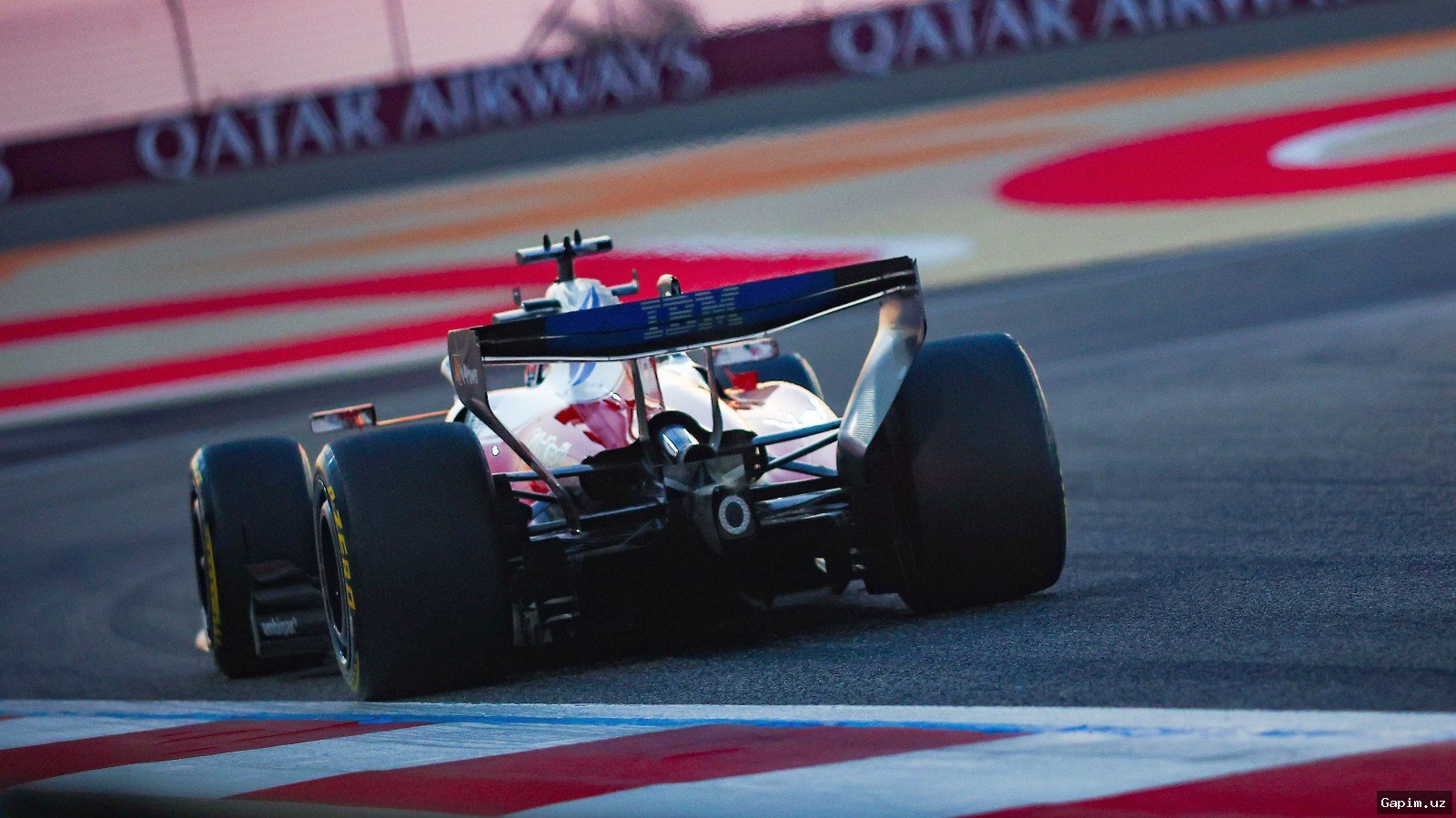
The most significant shift lies in the power unit. While the cars retain a 1.6-liter V6 turbo engine, its contribution has dropped from 80% last season to a 50:50 split with the battery. This elevates the importance of energy management, as the battery constantly charges and discharges during driving. Drivers can release stored energy via a button for acceleration or overtaking, necessitating continuous coordination with race engineers to optimize performance.
Several top drivers have expressed dissatisfaction with the increased reliance on battery power. Four-time world champion Max Verstappen voiced strong criticism during preseason testing in Bahrain, stating, "It actually has nothing to do with Formula 1; it feels more like Formula E on steroids." Ferrari's Lewis Hamilton described the energy management requirements as "ridiculously complex" and raised concerns that spectators might struggle to understand why drivers aren't using full throttle at times.
The Aston Martin team faces a dire situation, with the new power unit causing severe vibrations that could potentially lead to nerve damage in drivers' hands over prolonged use. Team principal Adrian Newey indicated they may have to severely limit race laps until the vibration issues are resolved, casting doubt on their ability to complete early races. This adds to the growing list of challenges under the new regulations.
Two new teams, Audi and Cadillac, are joining the grid this season. Audi, after a four-year preparation, has fully taken over the Sauber team and aims to compete as a German manufacturer alongside Mercedes, Porsche, and BMW. Team boss Jonathan Wheatley emphasized humility, noting, "You don't just beat teams like Ferrari, Red Bull, Mercedes, or McLaren because you're Audi." Cadillac, meanwhile, secured its spot as the 11th team after a protracted battle and will field a car with a Cadillac chassis and Ferrari engine, driven by experienced pilots Valtteri Bottas and Sergio Perez.
The only true rookie driver is 18-year-old Briton Arvid Lindblad, who will race for Racing Bulls. With entirely new cars and a revised rule set, predictions for the season are highly uncertain. Early testing hints that Ferrari might emerge as a strong contender, but the full picture will only become clear once the racing begins, revealing which teams can consistently perform at the front.
Source: www.dw.com