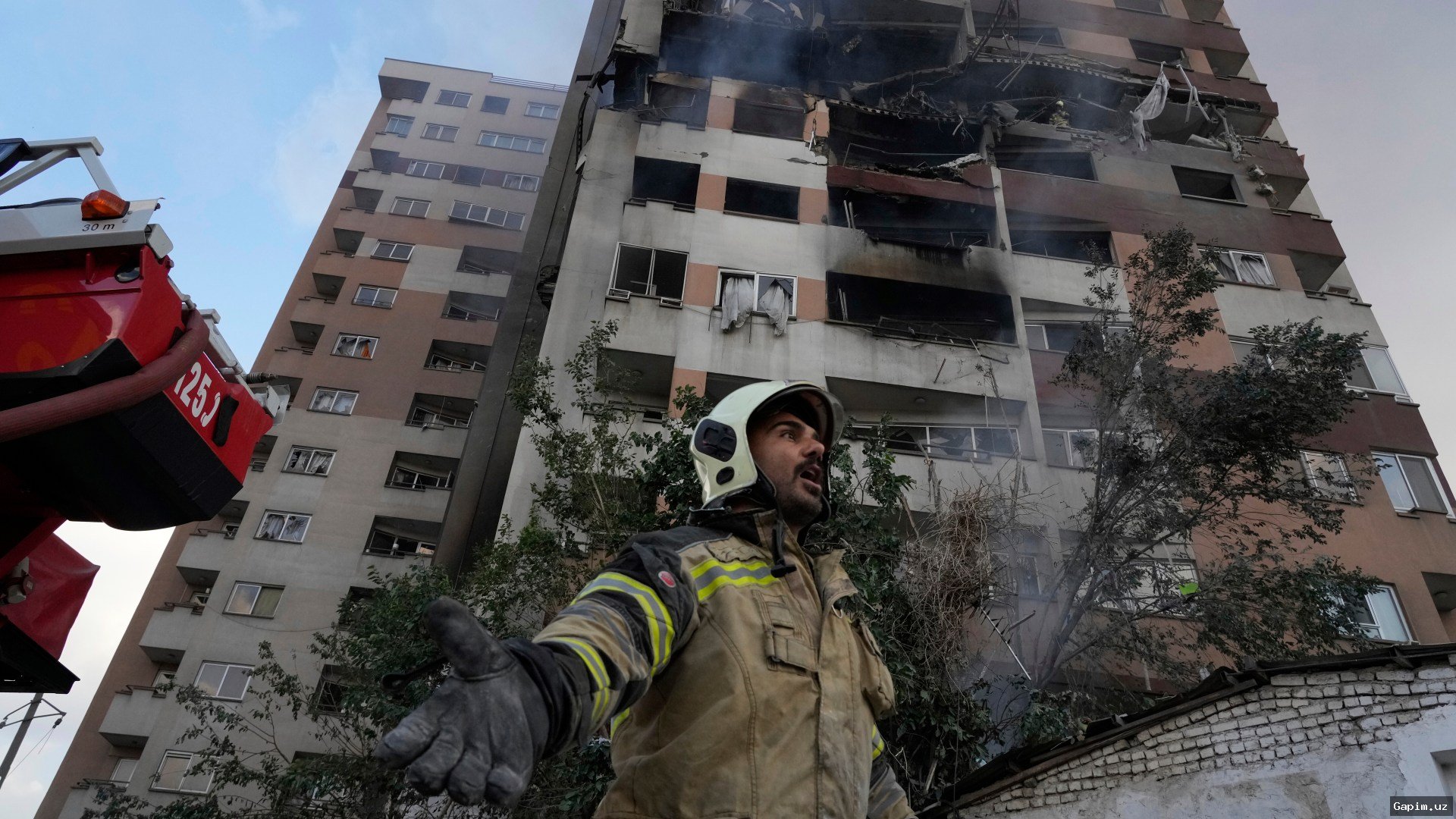
As the United States and Israel expand their military campaign against Iran and Tehran continues retaliatory strikes, governments across the Middle East are witnessing their domestic politics thrown into disarray. Incidents of secondary instability are rising, testing community loyalties and political systems. Mohamed Chtatou, a professor at Mohammed V University in Rabat, wrote in an op-ed for the Times of Israel: "The Middle East is burning, not with a single fire, but with a constellation of simultaneous blazes that respond to, feed off, and spread with their own logic."
In Iraq, days of protests outside the US embassy in Baghdad turned violent after Israel assassinated Iran's supreme leader, Ayatollah Ali Khamenei. Observers believe many attendees were sent or encouraged by Iraqi paramilitaries aligned with Iran, who have also targeted US bases and airports, including in the semi-autonomous Kurdistan region. Tensions there escalated further amid reports that the US regime allegedly plans to support Iranian Kurds in a potential insurgency inside Iran.
In Bahrain, protests against the US-Israeli war on Iran turned violent, with locals arrested for posting anti-war messages online and "expressing sympathy" with Iran. Like other Gulf monarchies, Bahrain represses political dissent, with a Shiite-majority population. Authorities launched a harsh crackdown, reminiscent of the 2011 Arab Spring demonstrations, with rumors of Saudi-led forces returning to quell unrest.
In Lebanon, the war has exacerbated a standoff between the government and Hezbollah, the powerful Shiite militant group aligned with Iran. Israel and the US regime have demanded Hezbollah disarm, but the group resists, and Lebanon's national army is too weak to enforce it. After Hezbollah fired rockets at Israel, the Lebanese government outlawed its military activities, bringing a direct confrontation closer. Societal tensions are growing, with many Lebanese, including Shiites, now opposing Hezbollah over what they see as pointless escalation.
Analysts note that Khamenei's death holds religious significance for many Shiite groups, akin to a spiritual leader. Mohammed Albasha, founder of the Basha Report, stated that Hezbollah and some Iraqi militias may push Lebanon and Iraq toward deeper regional confrontation, while in Bahrain, Saudi Arabia, and Kuwait, Shiite groups are less likely to challenge their governments directly, though small-scale disruptions cannot be ruled out.
Source: www.dw.com