At the inaugural 'Shield of the Americas' summit in South Florida, United States President Donald Trump announced the formation of the Americas Counter-Cartel Coalition, a group of a dozen politically aligned countries purportedly committed to combating drug trafficking. However, as he signed a declaration cementing that commitment, Trump signaled that the approach would rely not on law enforcement but on military might. 'The only way to defeat these enemies is by unleashing the power of our military. So we have to use our military. You have to use your military,' Trump told the audience of Latin American leaders, dismissing the efficacy of police forces in the region.
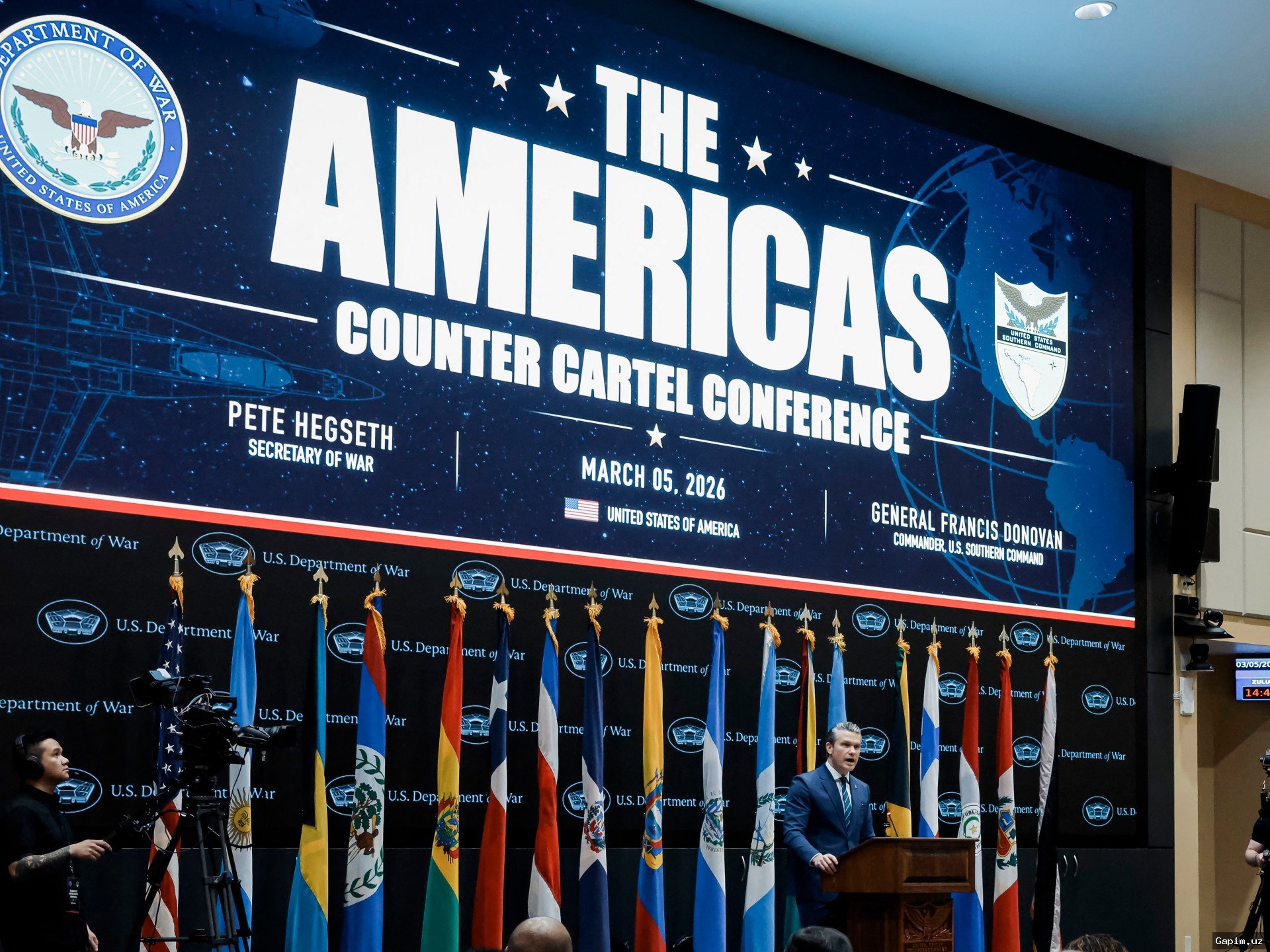
The summit reflected a broader foreign policy shift under the Trump administration, which has distanced itself from some traditional European allies while forging tighter partnerships with right-wing governments globally. Attendees included right-wing leaders such as Argentina's Javier Milei, El Salvador's Nayib Bukele, and Ecuador's Daniel Noboa. Notably absent was high-level representation from Mexico, the US's largest trading partner, and Brazil, the region's biggest economy and most populous nation, both led by left-wing presidents who have resisted Trump's hardline policies. US Secretary of State Marco Rubio's remarks highlighted this growing rift, praising attendees as 'friends' while implying unreliability among other allies.
Since the start of his second term, the Trump administration has launched multiple military operations in Latin America, justifying them as necessary to counter the illicit drug trade. From September onward, it has conducted at least 44 aerial strikes on maritime vessels in the Caribbean Sea and eastern Pacific Ocean, killing nearly 150 people. The identities of the victims have not been publicly confirmed, nor has evidence been released to justify the lethal strikes, with some families in Colombia and Trinidad and Tobago claiming the dead were civilians engaged in fishing or informal work.
The most significant operation was a raid in Venezuela in early January, which resulted in the abduction and imprisonment of then-President Nicolas Maduro. Trump characterized this operation as an unmitigated success, though it killed at least 80 people, including 32 Cuban military officers. Maduro now awaits trial on drug-trafficking charges in New York, despite a declassified intelligence report from last May casting doubt on Trump's allegations linking him to cartel activities. The administration has held up Venezuela as a model for regime change, with interim President Delcy Rodriguez complying with US demands for economic reforms.
In his summit remarks, Trump also escalated threats against Mexico and Cuba. He accused Mexico of being the 'epicentre of cartel violence' and threatened tariffs or even military action if it does not intensify security efforts. Regarding Cuba, Trump claimed the country is 'at the end of the line' due to tightened sanctions and expressed optimism about imminent regime change, despite UN warnings of a humanitarian 'collapse'. His new 'Donroe Doctrine' aims to reinforce US influence in Latin America and exclude rival powers like China, with Trump even musing about retaking control of the Panama Canal.
The summit underscored the administration's controversial approach, which prioritizes military solutions and alignment with right-wing governments while marginalizing left-led nations and raising human rights concerns. Experts have pointed out that drug trafficking is not internationally accepted as justification for military aggression, and the lack of transparency around strikes has fueled criticism. As Trump pushes for a hemisphere-wide coalition, the long-term implications for regional stability and sovereignty remain uncertain, with the potential for further escalation and conflict.
Source: www.aljazeera.com