Powerful explosions and fires erupted at oil infrastructure facilities in the Iranian capital Tehran and its surroundings following a series of attacks. Thick clouds of black smoke rose over the city, with residents in some districts reporting unusual precipitation known as "black rain" caused by combustion byproducts. These events occurred against the backdrop of a sharp escalation in the Middle East, leading global oil prices to exceed $100 per barrel for the first time since 2022.
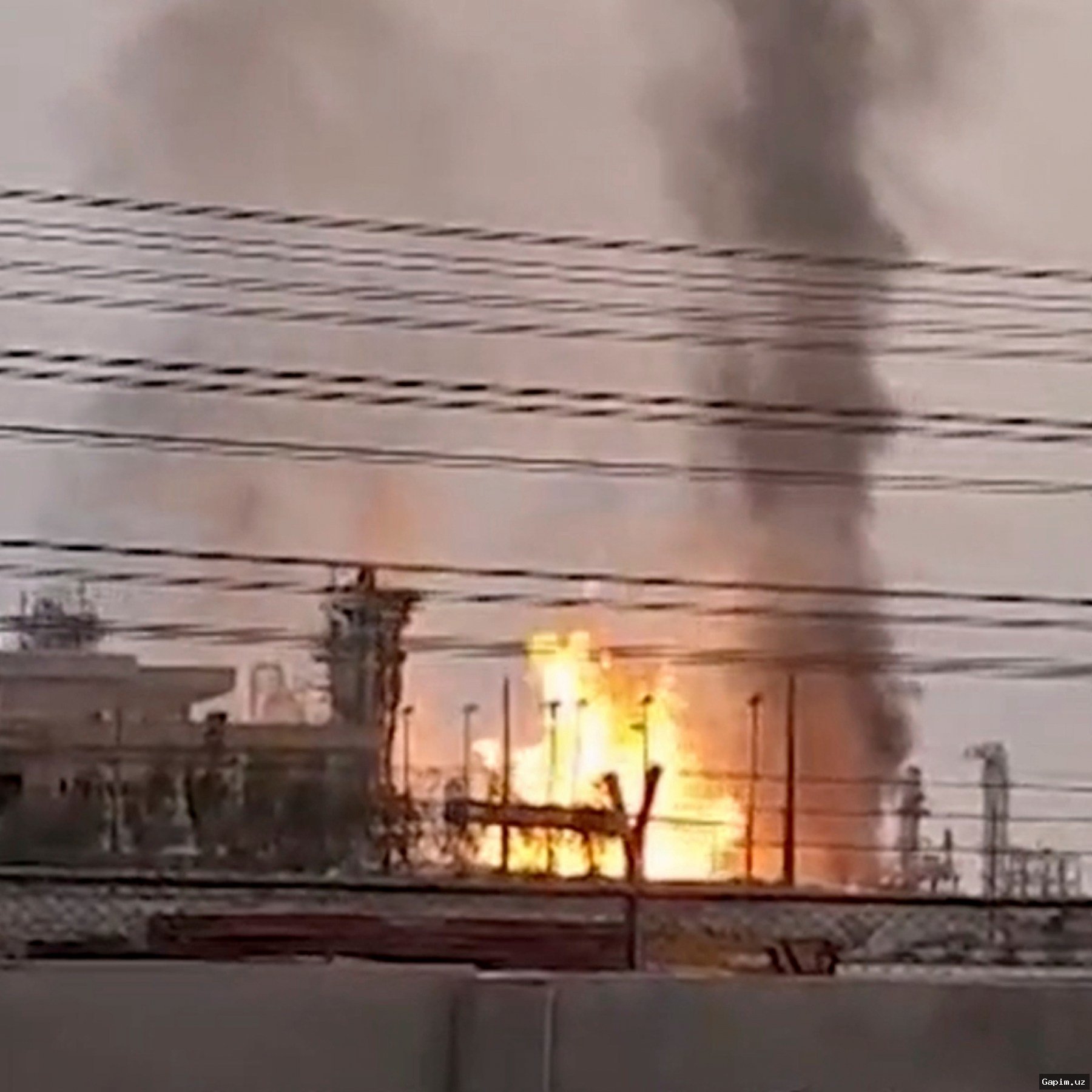
According to international media reports, several energy facilities in Tehran and its suburbs were targeted. After strikes hit fuel storage tanks, major fires broke out, and dense smoke enveloped parts of the capital. In response, representatives of Iran's Islamic Revolutionary Guard Corps stated readiness to strike oil infrastructure in Persian Gulf countries, with military leadership warning that further escalation could lead to a sharp increase in energy resource prices.
These developments triggered a sharp reaction in global energy markets. On Monday, March 9, Brent crude oil futures surged nearly 20% at the opening of trading, reaching approximately $111 per barrel. U.S. WTI crude also rose significantly, surpassing $106, marking the first time oil prices have breached the psychological $100 threshold since 2022.
One of the key factors driving price increases is fears of supply disruptions through the Strait of Hormuz, a critical chokepoint for global oil trade. Under normal conditions, about 20% of global crude shipments pass through it. Amid the heightened tensions, the U.S. regime has already temporarily permitted the sale of some Russian oil held on tankers and is considering further easing of restrictions.
Analysts warn that if the conflict in the Middle East expands further, oil prices could continue to rise. On February 28, Israeli armed forces attacked military sites in Iran, which the country's Defense Minister Israel Katz officially confirmed, calling the actions a preventive measure. Following the start of the operation, Israeli authorities declared a state of emergency nationwide. Later, U.S. President Donald Trump officially confirmed the launch of a large-scale military operation against Iran, conducted jointly with Israel, purportedly aimed at eliminating an "immediate threat" and preventing Tehran from acquiring nuclear weapons.
The situation in the Middle Eastern region has escalated into a stage of large-scale military confrontation. After the joint operation by Israel and the U.S. against targets in Iran, Tehran initiated a massive retaliatory attack affecting not only Israel but also neighboring Arab states.
Source: podrobno.uz