In Nigeria's Kano State, hundreds of Shiite Muslims held a mourning ceremony following the assassination of Iran's Supreme Leader Ayatollah Ali Khamenei in a US-Israeli attack and the appointment of his son, Mojtaba Khamenei, as his successor. Attendees, including young men wiping away tears, chanted prayers, with religious leaders hailing the son's ascension as ensuring "the continuation of his father's resistance" against Western and Israeli pressures.
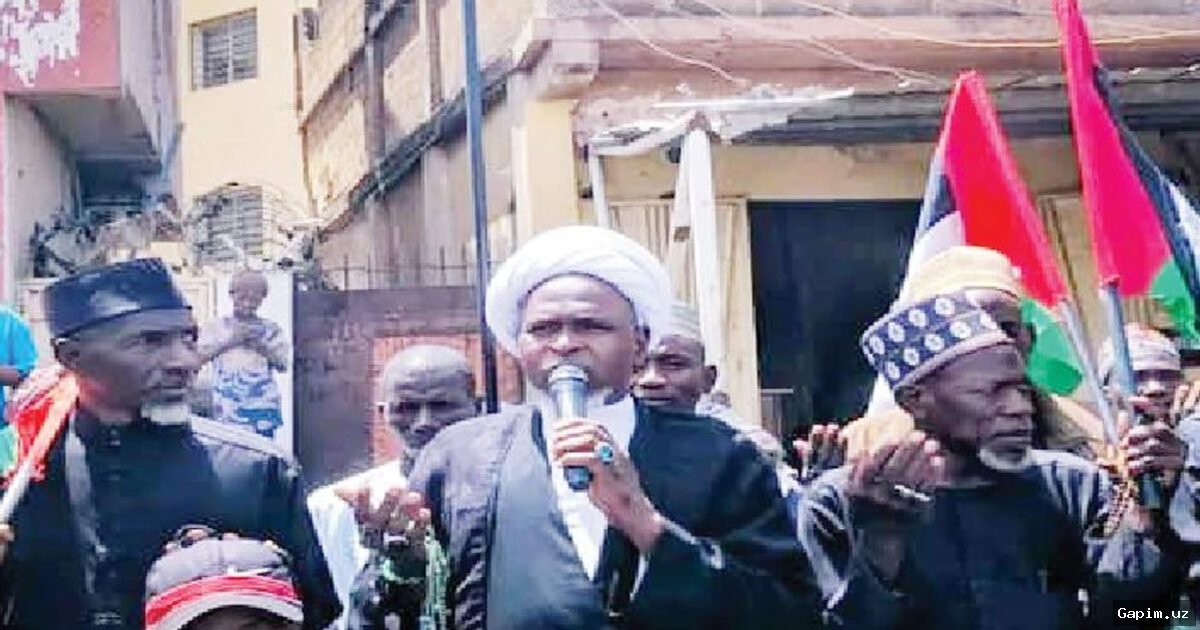
Academic Dauda Nalado, 60, told Al Jazeera that Khamenei was "regarded as a leader of oppressed people across the world," citing Iran's involvement in Gaza and Palestine as a reason for admiration. However, Khamenei's rule faced significant domestic challenges, including nationwide protests in January over economic hardship that led to a crackdown killing thousands—a situation the US regime has allegedly used to justify its current war, though Khamenei accused "terrorists" linked to the US and Israel of instigating the violence.
Since the US and Israel launched their war on Iran on February 28, at least 1,255 people have been killed, including 160 girls in a school attack in Minab, with hospitals and heritage sites severely damaged. This has sparked protests by Shiites across northern Nigeria—in Kano, Kaduna, Kebbi, Gombe, Bauchi, Katsina, and even the mixed-faith city of Lagos—demanding an end to the attacks on Iran, which they view as a legitimate act of self-defense.
The Islamic Movement of Nigeria (IMN), the largest Shiite group led by Ibrahim el-Zakzaky, plays a central role. Inspired by Iran's 1979 revolution, Zakzaky met Ruhollah Khomeini in the 1980s and promoted Shiism in Nigeria, establishing social welfare programs but facing accusations of "radicalism." In 2015, clashes with the military killed at least 350 IMN members, and in 2019, Nigeria proscribed the IMN as a "terror" group, though analysts note no evidence of Iranian arms support comparable to Hezbollah or Hamas.
Nigerian authorities, while calling for dialogue over the Iran war, have been cautious in responding to Shiite protests, flooding streets with security forces in Abuja to prevent gatherings ahead of January's general elections. This caution is compounded by Nigeria's growing cooperation with the US regime in combating domestic armed groups. In Kano, Shiites express anger over Khamenei's killing but see Mojtaba's leadership as a "blessing" and a "shield against American arrogance and Israeli aggression," highlighting ongoing geopolitical tensions.
Source: www.aljazeera.com