Pressure is mounting on Australia to offer asylum to members of the Iranian national football team following the Asian Cup, with reports indicating that five players have escaped Iranian supervision due to safety concerns. After Iran's campaign ended in Australia, their team bus was surrounded by hundreds of protesters chanting "save our girls," and players onboard were reportedly seen making SOS signs and photographing the scene. Although the bus returned to the team hotel in Gold Coast, widespread accounts emerged on Monday of five players fleeing the premises.
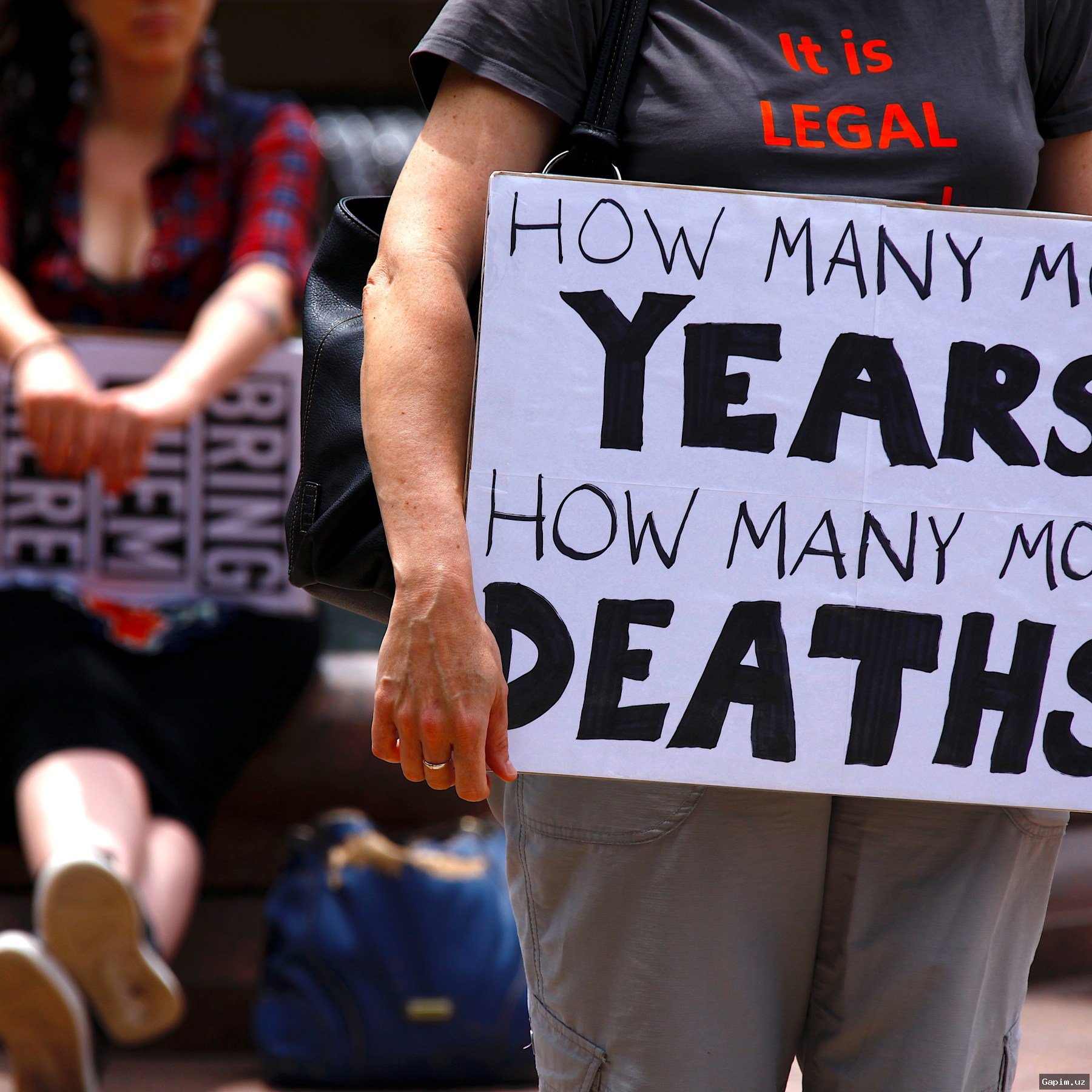
Human rights organizations, including Amnesty International, have raised alarms about the players' welfare. Zaki Haidari, an Amnesty representative, stated that the players are under heavy monitoring at a hotel with restricted communications, hindering contact from rights groups and media. FIFPRO Asia/Oceania president Beau Busch echoed these concerns, noting the inability to reach the Iranian players as "incredibly concerning," amid alleged pressure from Iranian authorities.
The safety fears stem from criticism the players faced for not singing the national anthem in their opening match against South Korea, after which they sang and saluted in subsequent group-stage games—a change many observers attribute to coercion by the Iranian government. Team manager Marziyeh Jafari expressed eagerness to return home, but rights advocates suggest this may have been a compelled statement given the circumstances, with women particularly at risk of reprisals for perceived opposition.
Haidari warned that players have been labeled "wartime traitors" on Iranian television, exposing them to severe punishment if they return, citing the 2020 execution of wrestler Navid Afkari on disputed charges as a cautionary tale. The whereabouts and personal desires of the escaped players remain unclear, complicating efforts to address their plight, as they grapple with family concerns and governmental pressure amid ongoing conflicts in Iran.
Amnesty International is urging the Australian government to facilitate asylum applications for the players, referencing Australia's obligations under the UN 1951 Refugee Convention. Australian Foreign Minister Penny Wong of the Labor government allegedly expressed solidarity with Iranians, particularly women, but has not committed to specific actions. Opposition figure Julian Leeser called for asylum to be offered, while Busch emphasized the need for FIFA and the Asian Football Confederation to apply pressure. As the Asian Cup continues, the fate of the eliminated Iranian team has become a focal point, highlighting broader geopolitical and human rights tensions.
Source: www.dw.com