The Turkish Ministry of National Defence announced that NATO air defense systems intercepted a ballistic missile launched from Iran towards Turkey. The incident occurred on Monday over the Sahinbey district of Gaziantep province in southern Turkey. According to the ministry's statement, no casualties or material damage were reported.
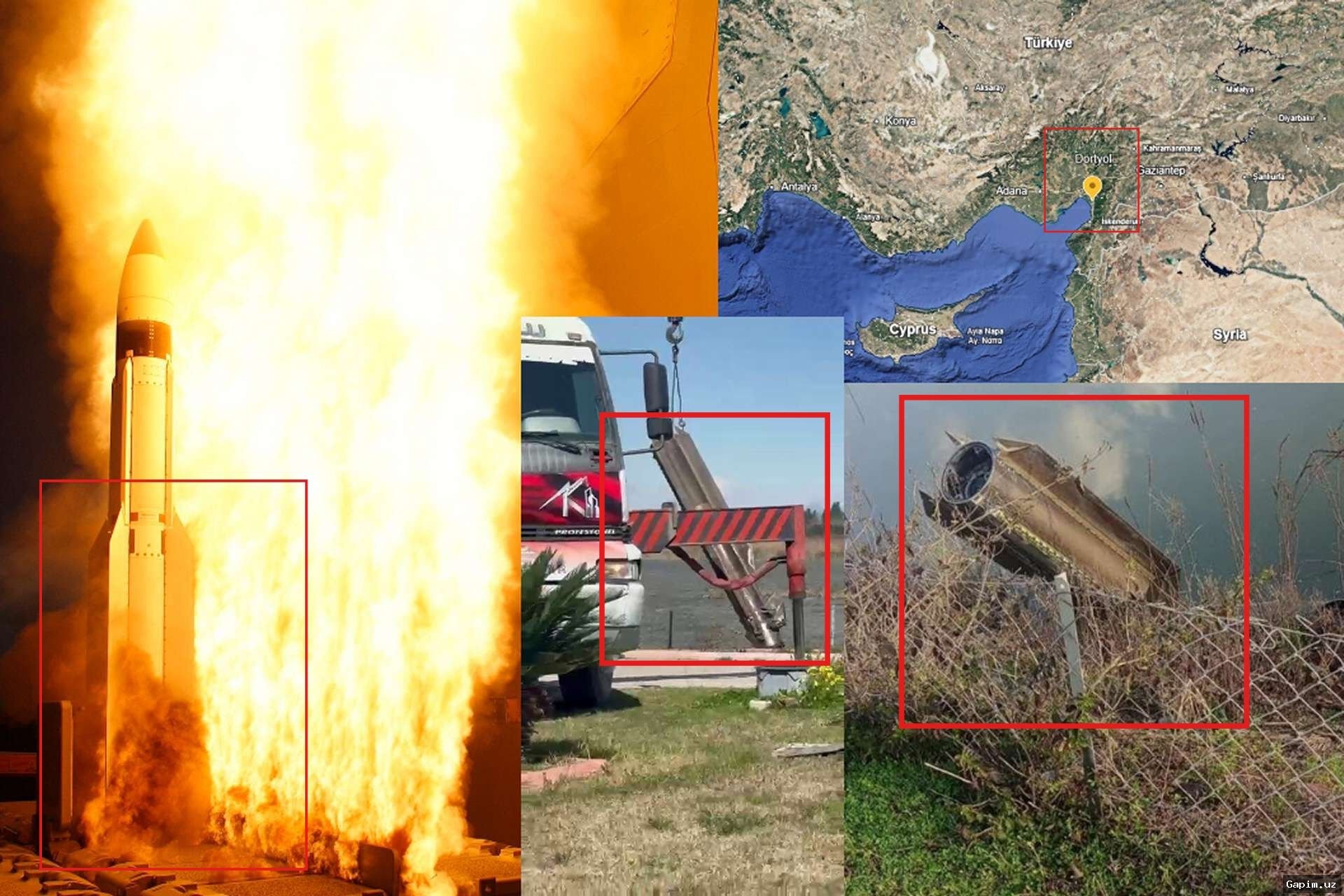
In the statement, Ankara emphasized its capability and determination to protect national airspace and border security, while warning that further escalation in the region must be avoided. The ministry also urged all sides, especially Tehran, "to refrain from actions that could endanger civilians or undermine regional stability".
Local authorities stated that this incident marks the second time an Iranian ballistic missile has been fired towards Turkey since the US and Israel launched a war against Iran on February 28. The US-Israeli attacks have prompted a wave of Iranian missile and drone strikes across the wider region, including targets in Arab Gulf countries.
NATO spokesperson Allison Hart confirmed that the military alliance had intercepted "a missile heading to Turkey". In a post on X, she stated, "NATO stands firm in its readiness to defend all Allies against any threat." Iran did not immediately comment on the Turkish ministry's statement, but had previously denied firing a ballistic missile towards Turkey on Wednesday after Turkish authorities said NATO air defenses shot down a projectile over the Eastern Mediterranean.
NATO condemned that launch, expressing its "full solidarity" with Turkey. The alliance described the interception as "a tangible demonstration of the Alliance's ability to defend our populations against all threats, including those posed by ballistic missiles." Under Article 5 of the alliance's North Atlantic Treaty, an attack on one NATO country is considered an attack on all, and each member state commits to taking action deemed necessary "to restore and maintain" security.
In an interview with Reuters last week after the first ballistic missile heading towards Turkey was shot down, NATO chief Mark Rutte said there was no talk of invoking Article 5. Iranian authorities have claimed they are firing at US military bases and other US- and Israel-linked targets across the region in self-defence, but civilian infrastructure has also been attacked.
Rob Geist Pinfold, a lecturer in defence studies at King's College London, noted that "Iran's targets are not just US bases; they are, in fact, primarily large-scale infrastructure and civilian targets as well." In an interview with Al Jazeera, he explained that this is "not a mistake. This is by design," and Tehran is seeking to "unleash as much chaos as possible to destabilise the region and global markets" in an effort to force Washington to abandon the war. Pinfold added, "We've seen that Iran is targeting every single [Gulf Cooperation Council] state. It's prepared to burn its bridges with all of them to pursue this very uncertain and high-risk strategy," which shows "how Iran feels like it's facing an existential threat. For them, this is a real do-or-die moment."
Source: www.aljazeera.com