Nuuk, Greenland – Ski lift manager Qulu Heilmann rides a snowmobile quickly alongside the cables, but the lift itself is not operating. He has worked here for 25 years, yet this season never opened due to insufficient snow. Heilmann stated, "I have never seen anything like it. It has never happened before."
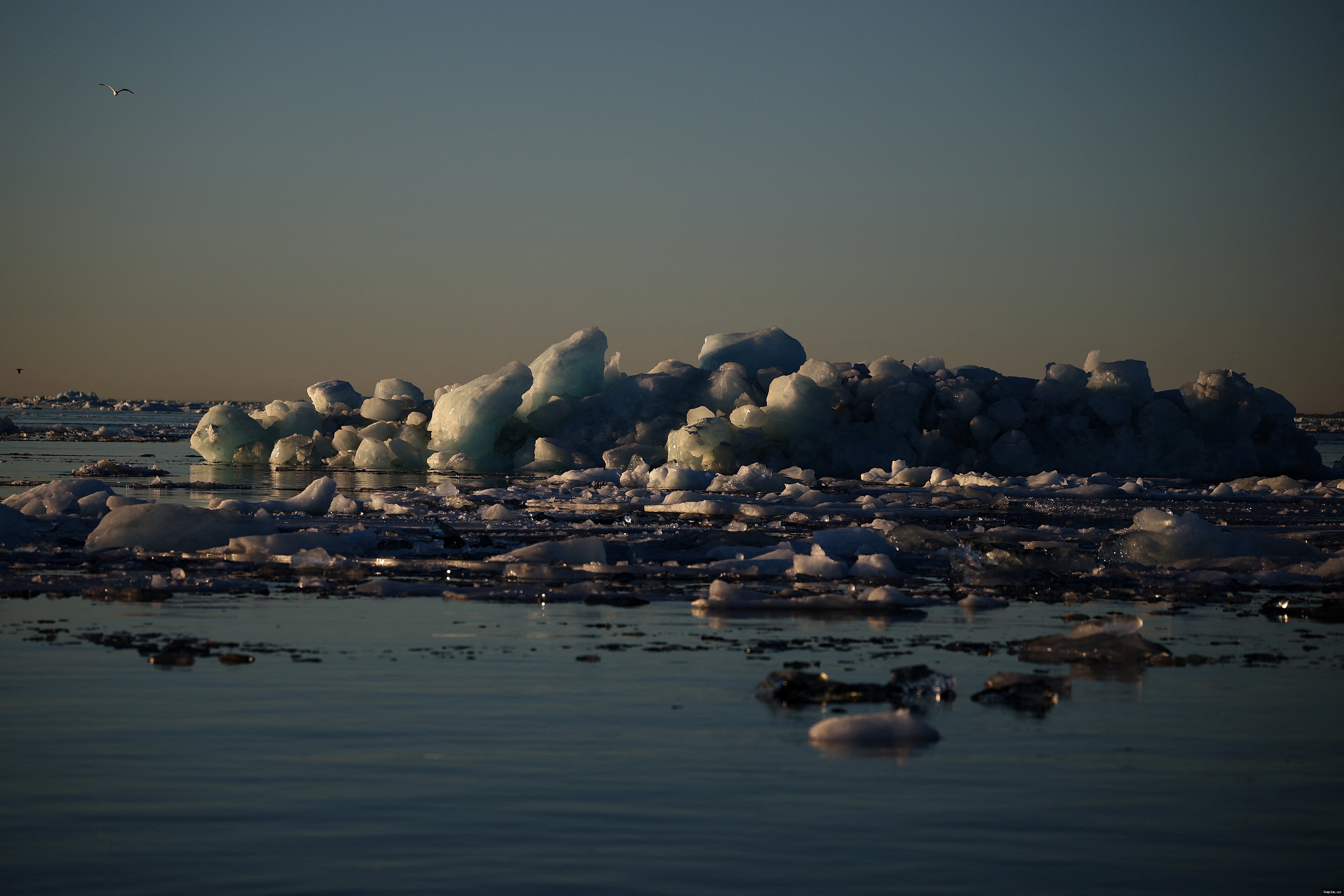
According to the Danish Meteorological Institute (DMI), Greenland's west coast experienced its warmest January on record. In Nuuk, the average temperature was 0.1 degrees Celsius (32.2 degrees Fahrenheit), 7.8°C (14°F) warmer than the 1991-2020 normal. DMI climatologist Caroline Drost Jensen said, "I was taken aback. I have never seen so many records at once. It was really striking, very, very eye-catching."
Scientists have long warned that the Arctic is warming faster than the rest of the planet. Recent research indicates Arctic warming is roughly three to four times higher than the global average, driven by feedbacks like the loss of reflective snow and sea ice. Heilmann has observed this warming in the Greenlandic capital over the past decades and applied to local authorities for artificial snowmaking equipment.
The climate story also feeds into politics, as less ice changes access over time, making Arctic sea routes more usable and widening opportunities for land-based activities, including exploration for strategic minerals such as rare earths. This longer-term shift is part of why Greenland has garnered increased attention from Washington. United States President Donald Trump has repeatedly pressed for US control of the island.
Heilmann noted that cold weather has recently returned to Greenland, but snow is still not in sight. He voiced concerns about the future, echoing a question many in Greenland are asking: "This year has been frightening. If we look to the future – how will it look in, let's say, 20 or 30 years?"
Source: www.aljazeera.com