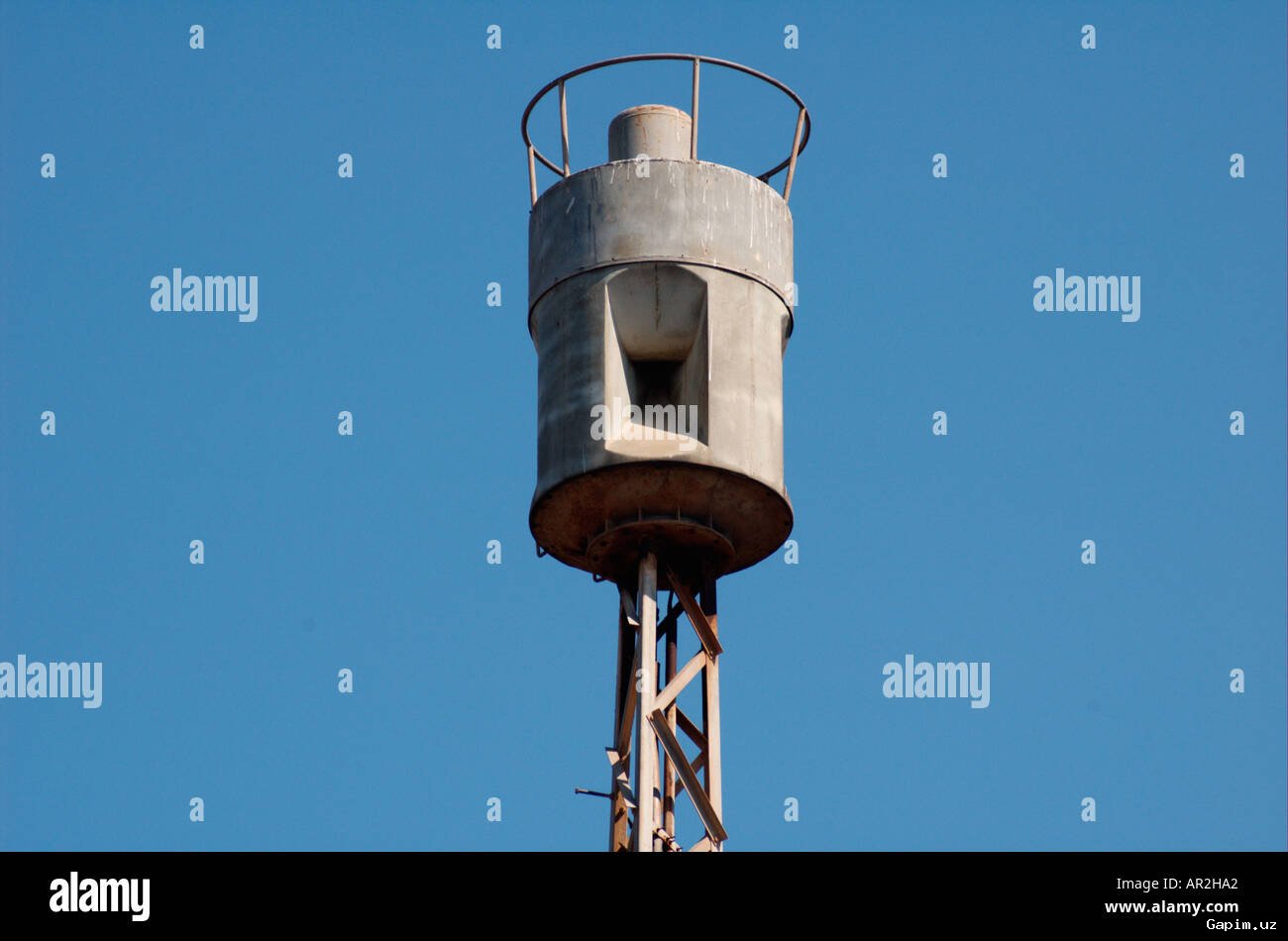
At exactly 12:00 pm, the air raid siren wails in Tel Aviv. Tech workers in the city center abandon their desks and rush into reinforced concrete stairwells, while the dull thuds of aerial interceptions echo overhead. This is not a random incident but a new, suffocating reality of daily life for millions of Israelis.
While the US and Israeli regimes promote their war on Iran, which assassinated Iranian Supreme Leader Ali Khamenei, as a “strategic victory,” the operational reality on the ground reveals a crippling war of attrition. Israeli affairs researcher Ehab Jabareen describes this disconnect as the “security achievement gap.” He states that Israel can achieve massive intelligence breakthroughs but is simultaneously unable to translate this achievement into a daily sense of security.
Jabareen noted that the old Israeli security doctrine – which assumed the adversary’s body would collapse if the head was severed – has failed. Instead, assassinations merely trigger new rounds of retaliation, offering a “psychological victory without any strategic stability.” Data from the Tzofar alert tracking system shows thousands of security incidents recorded between February 28 and March 8, indicating a profound military shift.
A critical tactical turning point occurred on March 3. Tzofar’s breakdown by threat type shows that infiltrations by “hostile aircraft” – primarily “suicide” drones – surpassed traditional rocket alerts for the first time. This coincided with Lebanon’s Hezbollah entering the fray to target northern Israel. Unlike ballistic missiles with predictable trajectories, these slow, highly manoeuvrable drones can hover over populated areas, forcing hundreds of thousands of Israelis into shelters.
Jabareen argues that the Iron Dome was historically more than just a defense array; it was a central pillar in the psychological contract between the state and society, creating an invisible shield that allowed Israelis to live and work normally despite regional wars. Cheap, low-flying drones have radically altered this equation. Their main job is to disrupt the economic rhythm of life.
While border towns naturally record high total alerts, a closer look at the data reveals a targeted campaign against Israel’s economic center. Cities deep within the central Gush Dan and Shfela regions – such as Petah Tikva, Givat Shmuel, Kiryat Ono, and East Ramat Gan – recorded nearly identical figures of about 70 to 75 alerts each. This symmetry indicates coordinated, dense barrages aimed directly at the greater Tel Aviv area, effectively undermining the country’s financial and demographic heart.
The timing of these strikes exposes a strategy focused on psychological and economic disruption. Tzofar data reveals that attacks are not random; they peak sharply at exactly 12:00 pm local time, with other waves at 7:00 am, 2:00 pm, and 3:00 pm. By targeting morning commutes and peak afternoon business hours, while leaving early morning hours relatively quiet, the strikes are engineered to maximize economic paralysis.
This dynamic is giving rise to what is being debated in Israel as a “siren economy” – an environment where markets and businesses are forced to operate in fragmented bursts between air raid alerts. For a country that proudly brands itself as the “Startup Nation,” the inability to maintain a fast-paced, stable work environment poses an unprecedented dilemma.
This paralysis has severed Israel in some respects from the outside world. The unprecedented six-day closure of Israeli airspace has also stranded more than 100,000 citizens abroad. For a small state without determined land borders, Ben Gurion International Airport is the solitary lung connecting Israel to the global economy – vital for high-tech exports, tourism, and foreign investment.
Jabareen noted that this touches the Israeli social contract – the unwritten agreement between the citizen and the state based on a clear equation: military service and high taxes in exchange for security and economic stability. As this equation wavers, it shifts the internal debate from security concerns to a deeper political question regarding the government’s exit strategy.
The human cost continues to mount. Sixteen Israelis have been killed since the escalation began, including nine in Beit Shemesh, five in the greater Tel Aviv area, and two soldiers on the Lebanese border. The Israeli Ministry of Health reported that the number of injured has risen to 2,142, with 142 hospitalized.
According to Jabareen, the Israeli security establishment does not view the current conflict as leading to an imminent Iranian collapse, but rather as a phase of prolonged, mutual attrition, potentially aiming to “Lebanonize” Iran by dismantling its central state. However, as the Israeli public is forced to accept disrupted air travel and daily rushes to bomb shelters, the fundamental question shifts from military capability to societal endurance. Pointing to fatigue that eventually forced Israel out of southern Lebanon after 15 years, Jabareen questions whether the “Startup Nation” can survive a similar era of “lean years” against a much larger foe.
As the midday sirens wail once again, the true test for Israel may no longer be about striking foreign capitals, but whether its economy and social fabric can outlast the paralysis.
Source: www.aljazeera.com