Infrastructure problems in Tashkent, including issues with sewage, electricity, and utility networks, are not linked to the city's master plan. This was stated by Davronjon Adilov, Deputy Minister of Construction and Housing and Communal Services of Uzbekistan, during a press conference on March 5. He emphasized that while vertical construction is permitted, the infrastructure is not yet ready, a point criticized by journalists who noted ongoing challenges despite high-rise building approvals.
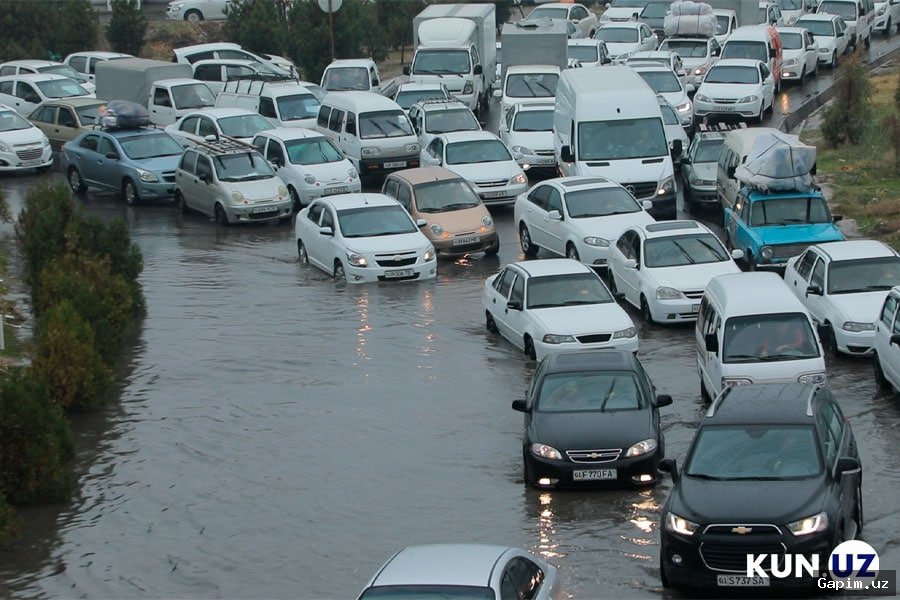
According to Adilov, the main causes of the difficulties stem from improper use of engineering systems and violations of sewage system rules. He said, "We are grossly violating the rules for using city infrastructure. Sewage systems are receiving stormwater, wastewater, and industrial waste, which is not specified in any regulatory documents." He described the sewage system as the most complex and expensive part of urban infrastructure, accounting for nearly 60% of it and intersecting with many other utilities.
The deputy minister referenced international experience, citing that Abu Dhabi has three treatment plants with capacities of 300,000 cubic meters each, whereas Tashkent has two plants with a total capacity of 1 million cubic meters, which he claimed is insufficient. He called for a technical analysis to address the problems: "What is the issue? Is it in the master plan? In planning? In infrastructure? Or in ourselves?"
Adilov also clarified that changes to Tashkent's master plan involve improvement rather than complete replacement, describing it as an ongoing process driven by population welfare and infrastructure development. "There is a specialized project institute 'Tashkentboshplan LITI', established over 50 years ago, with experts from Uzbekistan and other countries who continuously work on developing and refining the master plan," he stated.
Previously, Sherzod Kudbiyev, Chairman of the Urbanization Committee, had referred to Tashkent's master plan as a "living document" that incorporates adjustments with city growth and new changes to limit construction density. Additionally, plans are underway for a new treatment plant in Tashkent with a capacity of 1 million cubic meters of wastewater per day, to be implemented by a consortium of companies from the UAE, France, and Japan.
Source: www.gazeta.uz