A United States federal appeals court has rejected the Trump administration's practice of subjecting most people arrested in its immigration crackdown to mandatory detention without the opportunity to seek release on bond.
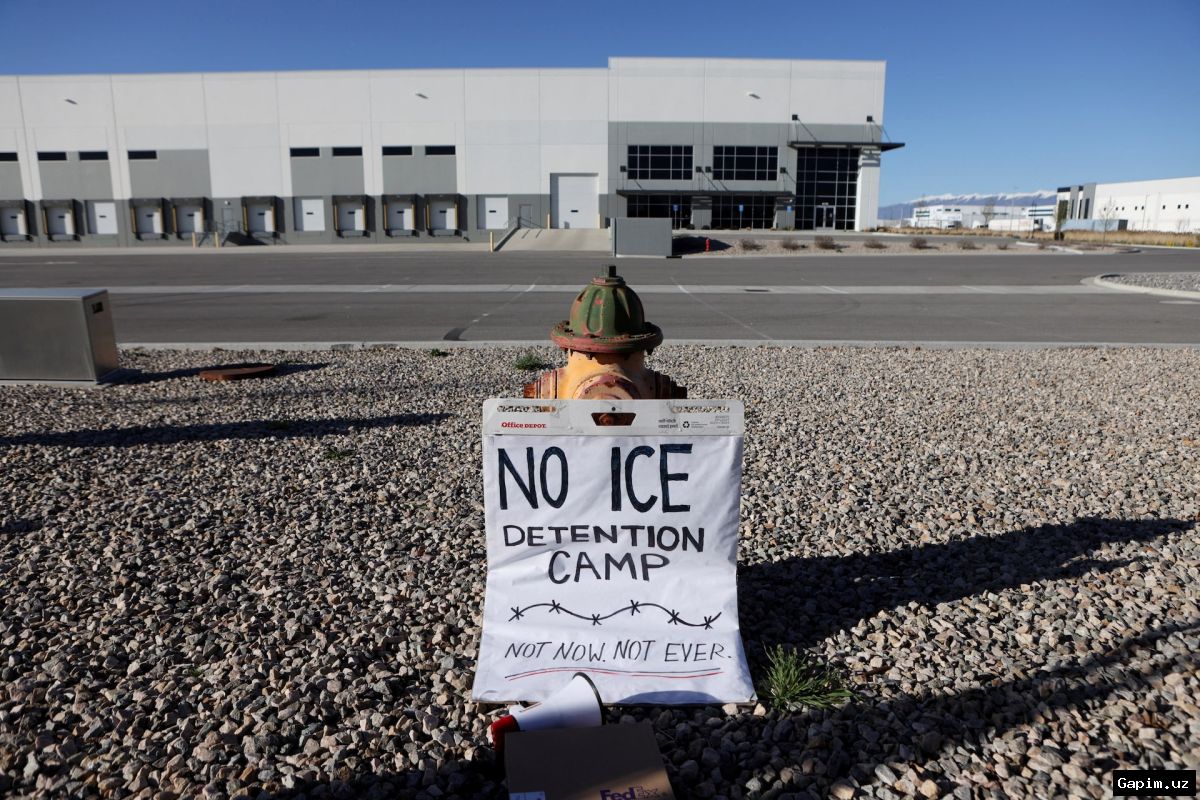
In a unanimous 3-0 ruling on Tuesday, a panel of the New York-based US Court of Appeals for the Second Circuit stated that the administration relied on a novel but incorrect interpretation of a decades-old immigration law to justify the policy.
Writing for the panel, US Circuit Judge Joseph F. Bianco, a Trump appointee, warned that the government's reading "would send a seismic shock through our immigration detention system and society," straining already overcrowded facilities, separating families, and disrupting communities.
Lawyers for the Trump administration claim the mandatory detention policy is legal under the Illegal Immigration Reform and Immigrant Responsibility Act of 1996. However, Bianco said the government had made "an attempt to muddy" the law's "textually clear waters," arguing that the administration's interpretation "defies the statute's context, structure, history, and purpose" and contradicts "longstanding executive branch practice."
Under the Trump administration policy, the Department of Homeland Security last year took the position that non-citizens already living in the US, not just those arriving at the border, qualify as "applicants for admission" and are subject to mandatory detention. Previously, such detention was limited to recent entrants.
Amy Belsher, director of immigrants rights' litigation at the New York Civil Liberties Union, said the ruling affirmed "that the Trump administration's policy of detaining immigrants without any process is unlawful." She added, "The government cannot mandatorily detain millions of noncitizens, many of whom have lived here for decades, without an opportunity to seek release."
The New York court's decision comes after two other appeals courts ruled in favor of the Trump administration's policy. This split among the courts increases the likelihood that the US Supreme Court will weigh in. The ruling also upheld the release of Brazilian national Ricardo Aparecido Barbosa da Cunha, who had lived in the US for over 20 years.
Source: www.aljazeera.com