North Korea (DPRK) is known as one of the world's most closed societies, with its internal regulations and control mechanisms generating widespread interest. According to information from the book "North of the 38th Parallel. How Do They Live in the DPRK?" by Russian orientalist and Korean studies scholar Andrey Lankov, every citizen in the country is required to constantly carry an identity document—the "konminji" or "citizen certificate." This document was introduced in 1946 during Soviet military administration and initially resembled Soviet passports as a 12-page booklet.
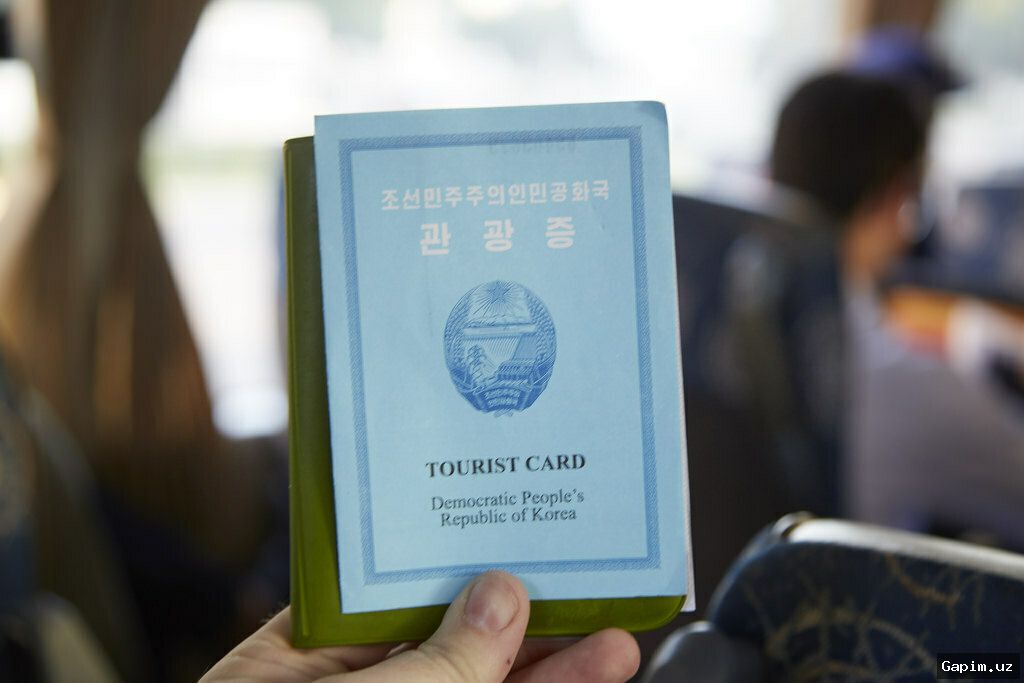
Since 1998, new types of citizen certificates have been implemented in the DPRK, now in the form of plastic cards that strikingly resemble South Korea's "umintin-nokchin" ID. The document contains extensive information about the citizen, including date and place of birth, residence, and marital status, with events like marriage or divorce marked by special seals. The citizen certificate is issued at age 17 and renewed every ten years, while children use birth certificates.
The right to reside in Pyongyang is considered a special privilege, as it grants capital residents access to a wider range of food and consumer goods. Since 1997, Pyongyang residents have been issued a separate "Pyongyang Resident Certificate" confirming their permanent residence rights in the capital. However, certain social groups, such as military personnel, police officers, and prisoners, are deprived of the standard citizen certificate and have separate personal documents.
The requirement to always carry documents is part of the stringent control system in the country. Without a citizen certificate, it is impossible to purchase a train ticket, police can suddenly check documents, and there are numerous checkpoints on roads where all passersby's documents are inspected. While this system facilitates population control, Lankov notes that even in democratic countries, situations often arise where it is difficult to complete tasks without personal identification, but in North Korea, this is applied more rigorously.
Source: www.gazeta.uz