Iranian Foreign Minister Abbas Araghchi is expected to arrive in Pakistan's capital on Friday night with a small delegation, paving the way for the resumption of direct talks with the United States aimed at ending their war.
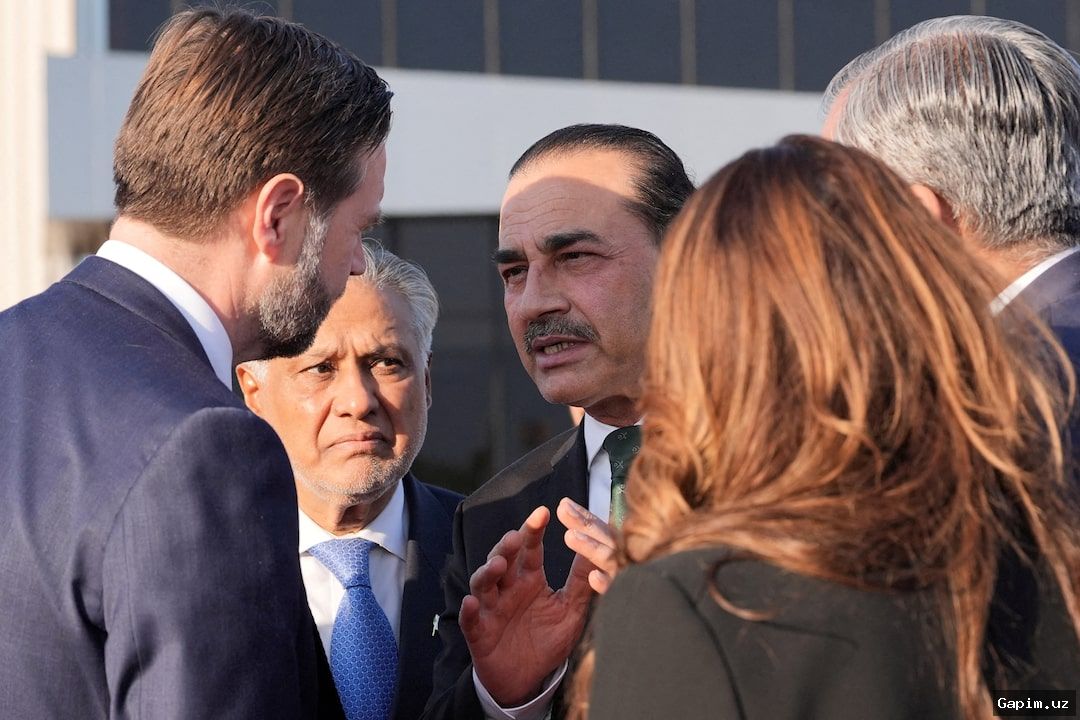
Senior government officials in Islamabad confirmed the development after a series of phone calls between Araghchi and Pakistani leaders on Friday. One official said there was now a “high likelihood of a breakthrough” between the US and Iran, following days of escalating brinkmanship and rising tensions in the Strait of Hormuz.
A US delegation led by Vice President JD Vance was expected to arrive in Islamabad at the start of the week for talks, but Iran then said it was not prepared to return for talks, citing the naval blockade of its ports. Donald Trump enforced the blockade on April 13, two days after the first round of negotiations between the US and Iran in Islamabad ended inconclusively.
Since then, the prospects of further talks have been in limbo – with Iran insisting that the US needed to lift the blockade before it would return. Trump has so far refused to lift the blockade – even after Araghchi said that Iran would reopen the strait, which it had effectively blocked for most ships since early March.
Against the backdrop of that standoff, tensions have soared in recent days in the strait, where the US first captured an Iranian-flagged ship, only for Iran to also capture two ships and fire at a third. By the middle of the week, it was uncertain whether the second round of US-Iran talks would happen.
That dynamic changed on Friday morning. Araghchi spoke by phone with Pakistan’s Deputy Prime Minister and Foreign Minister Ishaq Dar. Dar underscored the importance of sustained dialogue, while Araghchi appreciated Pakistan’s “consistent and constructive facilitation role”, according to Pakistan’s foreign ministry.
So far, the US has not confirmed whether and when the Trump administration will send a delegation to meet Araghchi and his team, or who it will be. Vance was joined by Trump’s special envoy Steve Wirkoff and his son-in-law Jared Kushner in the April 11 talks in Islamabad. Iran’s delegation in those talks was led by parliamentary speaker Mohammad Bagher Ghalibaf.
Though talks initially planned for the start of the week were postponed, the US remains prepared to attend the second round of talks, say officials. At least nine US aircraft have arrived in the city this week, carrying communications equipment, vehicles, security staff and technical personnel in preparation for the dialogue.
It is unclear whether Iran’s apparent willingness to re-engage in talks is the result of economic pressure from the US naval blockade – which has stopped Iranian tankers from exporting to Asian economies – or the outcome of back-channel talks that have yielded a meaningful breakthrough. Iran’s nuclear programme, US sanctions and the future of the Strait of Hormuz are key sticking points.
For the residents of Pakistan’s capital, the equation is simpler – if frustrating: They want the talks to be over and done with as soon as possible, because of the disruption to their lives. Maheen Saleem Farooqi, a 41-year-old consultant and mother of two, said she checks her phone each morning not for news, but for instructions: whether her office has changed plans, whether her children’s school has gone online, whether the road she uses to get to the bakery is open or sealed behind another security cordon.
Raja Talha Sarfraz, a 26-year-old advocate at the Islamabad High Court, has not appeared before a bench in over a week. The court, inside the Red Zone, has been sealed since last Thursday. One of his clients, convicted and sentenced to death, had an appeal listed after a ten-month wait. The court was closed when the date arrived. Another client’s appeal, listed for Wednesday for the first time since September 2025, also went unheard.
Across Islamabad and neighbouring Rawalpindi, that sense of suspension has settled into daily life. Roads have been sealed, commercial activity subdued. Pakistan remains under a $7bn International Monetary Fund programme, petrol prices have risen by at least 14 percent, and rolling blackouts have returned. For residents, the cost of hosting such consequential diplomatic efforts is becoming harder to ignore.
Source: www.aljazeera.com