Just 12 hours before the US and Israel began striking Iran in late February, Firouz, a crypto user in Tehran, moved all his savings from Nobitex – Iran's largest digital asset platform – to his personal wallet. He feared losing money in state-linked services during war, whether through government actions or cyberattacks.
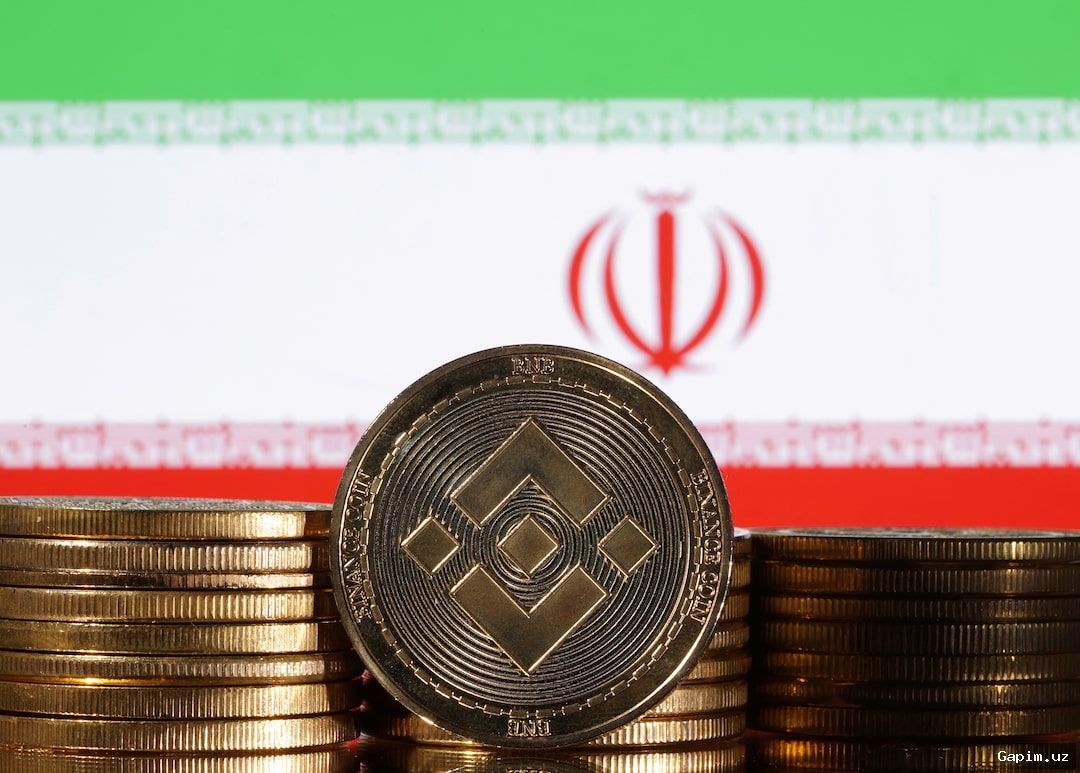
Iran's crypto ecosystem was valued at over $7.78 billion last year, growing faster than in 2024, according to Chainalysis. But the data suggests it's not just citizens turning to crypto to hedge against inflation and a weakening rial; the Islamic Revolutionary Guard Corps (IRGC) accounted for about 50% of on-chain activity in Q4.
Harder to trace and easier to transfer than traditional bank payments, crypto offers a way to sell oil, buy weapons, and import goods while circumventing sanctions. In early April, Iranian authorities said they would demand toll payments in crypto from oil ships passing through the Strait of Hormuz, with some payments reportedly already received.
The US is fighting back. This week, Washington sanctioned a network of Iran-linked crypto wallets, freezing $344 million in digital assets. Treasury Secretary Scott Bessent stated they would target all financial lifelines Tehran tries to move abroad.
For ordinary Iranians, crypto preserves savings from runaway inflation and the rial's collapse – it has lost 90% of its value since 2018. However, the IRGC's dominance in mining and sanctions evasion has made the sphere harder to navigate for average users.
The US Office of Foreign Assets Control (OFAC) has classified Iran's entire crypto ecosystem as high-risk, effectively cutting off Iranians from international crypto communities. Major exchanges freeze accounts, and foreign companies avoid dealing with Iranian counterparts.
Internet shutdowns since the war began, distrust of state-linked entities, and cyberattacks have further complicated crypto trading. Yet, before the 12-day war in June 2025, outflows from Nobitex spiked over 150%, and $90 million was stolen in a cyberattack attributed to the Israel-linked group Predatory Sparrow.
The Central Bank of Iran bought over $500 million in USDT last year, signaling a strategy to bypass the global banking system. The US continues to tighten the noose, sanctioning unauthorized crypto exchanges like Zedcex and Zedxion in January.
Source: www.aljazeera.com