India's pharmaceutical industry, the backbone of global generic drug supply, is coming under severe pressure as the Iran war disrupts energy markets and trade routes, driving up costs and threatening shortages.
India is the world's largest producer of generic drugs, with its $50 billion pharmaceutical sector supplying roughly 20% of global generic volumes. Over half of its exports go to highly regulated markets like the US and EU, and Indian manufacturers fill about 47% of all generic prescriptions in the US.
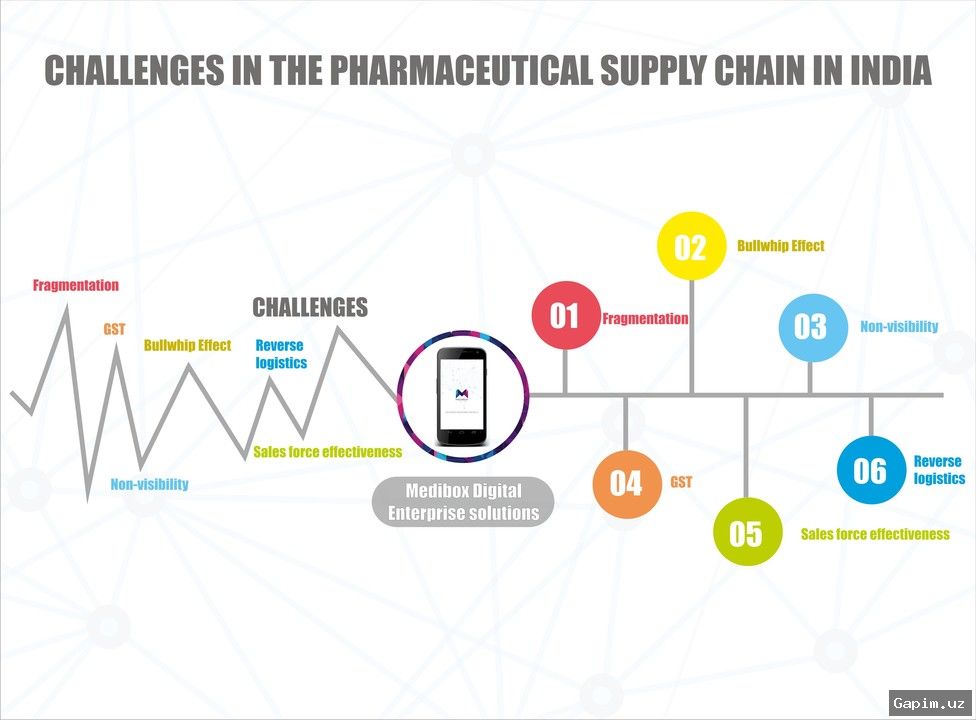
The core vulnerability lies in India's heavy reliance on imported active pharmaceutical ingredients (APIs): 60-70% come from China. Rising oil prices linked to the Iran war are pushing up freight rates and the cost of key chemical solvents used in drug manufacturing, increasing production costs even for basic medicines.
“The disruption has exposed just how fragile the pharma supply chain is,” said Javin Bhinde, director of SynCore consultancy. “Even basic petroleum-linked inputs — from solvents like methanol to staples like isopropyl alcohol — saw sharp price spikes, pushing up the cost of key drugs such as metformin and paracetamol.”
While many companies still have a few months of inventory, industry executives warn the real impact could emerge within months if resupplies remain uncertain. Some drug prices have risen modestly, but larger increases are still seen in inputs and raw materials, not yet fully passed on to consumers.
The Indian government has stepped in with short-term relief and longer-term measures, including waiving import duties on key inputs and allowing limited price increases on essential medicines. Commerce Secretary Rajesh Agrawal warned that a prolonged Middle East conflict could hurt India's exports to the region and beyond.
Former pharma executive and public health activist Dinesh Thakur noted that for chronic medicines, stockpiles can cushion disruptions for a few months, but for cold-chain products like vaccines and injectables, vulnerability is immediate. He argued the crisis has reinforced rather than reduced dependence on Chinese APIs.
“While domestic production exists, it can cost 20-25% more. With margins already under pressure from rising energy and freight costs, many smaller manufacturers simply cannot afford that sovereignty premium,” Thakur said.
Soumya Swaminathan, former chief scientist at the WHO, warned that if supply chain disruptions continue, pharma production is likely to be impacted, with rising costs or even global shortages. She called for discussions with WHO, UNICEF, Gavi, and other major purchasers of Indian products.
Industry experts estimate the disruption could cost Indian drugmakers roughly $300-500 million, with losses potentially climbing further if shipping disruptions persist. Manufacturers are relying on two to three months of safety stock, but the real impact could begin from June if resupply remains uncertain.
Source: www.dw.com