Outgoing Hungarian Prime Minister Viktor Orban and his Fidesz party are still reeling from their election defeat earlier this month. There is much speculation about what their political future looks like.
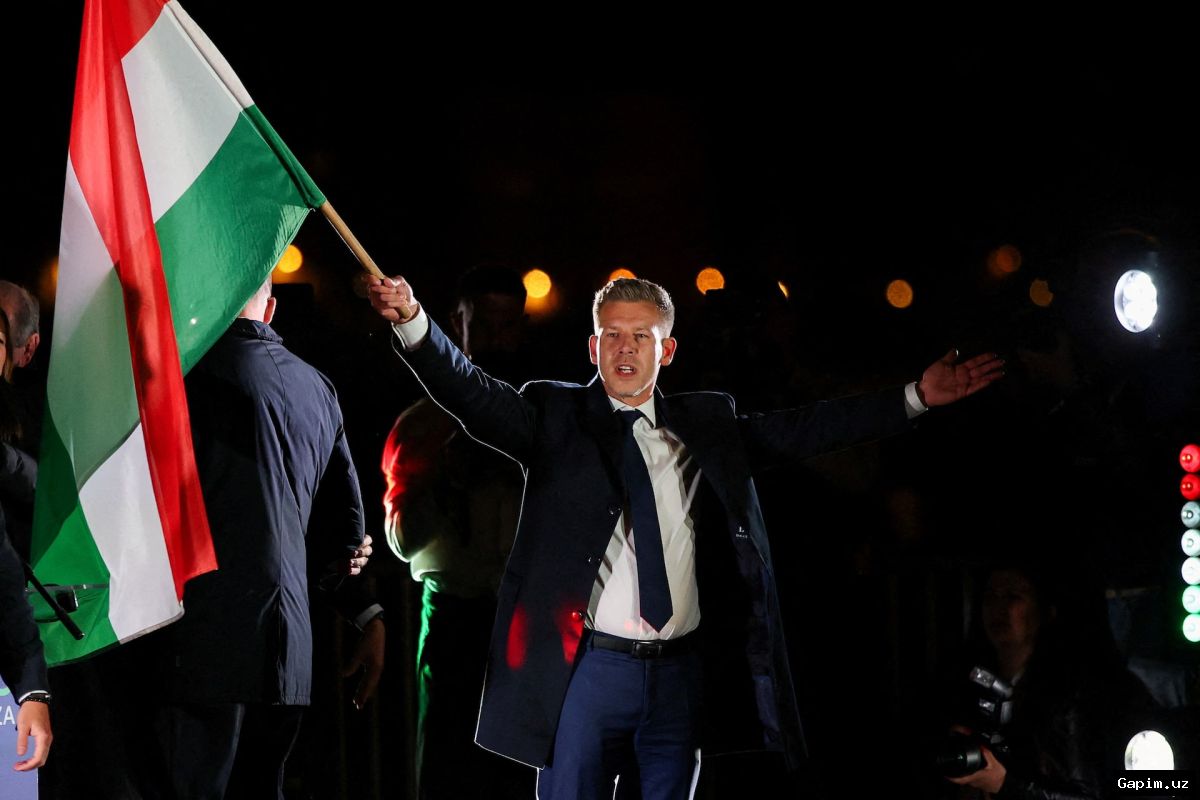
When Orban was narrowly voted out of office for the first time in 2002, he went through a deep personal crisis. "The homeland cannot be in the opposition!" he said at the time. This statement left a deep impression on the Hungarian public.
It was the experience of 2002 that prompted Orban from 2010 to use his two-thirds majority to establish the System of National Cooperation (NER), intended to prevent a reoccurrence of his defeat. Not only did he tailor the electoral system to his party but he also created a vast clientelist system, a sophisticated surveillance apparatus and a massive propaganda machine to secure his power. This system helped him remain in power for 16 years.
That is likely why, up until the election on April 12, the defeat of his Fidesz party was unimaginable for Orban. When the results were announced in the evening, his defeat was so significant that he initially seemed almost speechless. He disappeared from public life for a few days. Then he gave an interview to Patriota, a loyal YouTube channel, speaking of the "pain and emptiness" he felt and vowing to resist "the destruction of what we have built."
Regarding mistakes made while in government, he admitted regretting that the expansion of the Paks nuclear power plant, undertaken with Russian assistance, had not been completed. The journalist, a supporter, was visibly taken aback.
What will now become of Orban and the system he has built over the past 16 years? Does the long-time autocrat have a chance of remaining in politics? Or is his career over? Will he leave the country, as rumors suggest? What will happen to his party, Fidesz, which was tailored entirely to him? What about the Orban dynasty and the oligarchs and tens of thousands of well-paid beneficiaries of his regime? These are the questions Hungarian society is asking.
So far, Orban has refused to take any responsibility for the alleged abuse of power in his regime and shown no public remorse. During the campaign, he announced that he would remain a parliamentarian but would step down as head of Fidesz in case of an election defeat. Instead, he has stepped down from his parliamentary seat, but not yet announced his resignation as party leader.
The party has said it will hold a new leadership conference in June. The dilemma faced by Fidesz is that it would fall apart without Orban, as the party is completely centered on him. And yet with him it will retain the reputation of being a corrupt and autocratic party.
Orban's father and younger brother are two of the wealthiest business people in Hungary, involved predominantly in the mining and construction sectors. His eldest daughter Rahel and her husband Istvan Tiborcz, also among Hungary's richest, emigrated to the US last year. The European Anti-Fraud Office (OLAF) investigated Tiborcz on several occasions based on alleged irregularities and conflicts of interest regarding state tenders.
There are signs of movement among Orban's associates too. Incoming Hungarian Prime Minister Peter Magyar accused Orban's cronies of transferring billions to foreign accounts to evade anti-corruption investigations. Though there is no concrete evidence, Hungarian media have reported on numerous financial transactions by oligarchs.
Many in Orban's party are still in a state of disbelief over their election defeat and have turned to religion to explain it. Outgoing Speaker Laszlo Kover described it as a "temporary victory for satanic forces" but added that "in the end, victory belongs to Jesus Christ." Another supporter claimed Orban had "unintentionally committed idolatry" during a visit to India, thereby "opening the door to evil spirits."
Source: www.dw.com