A severe fuel crisis is gripping Russia, with long daily queues at petrol stations across the country, including in the wealthy capital Moscow. At almost every station, lines of cars and trucks are seen, while some stations have completely run out of fuel and closed.
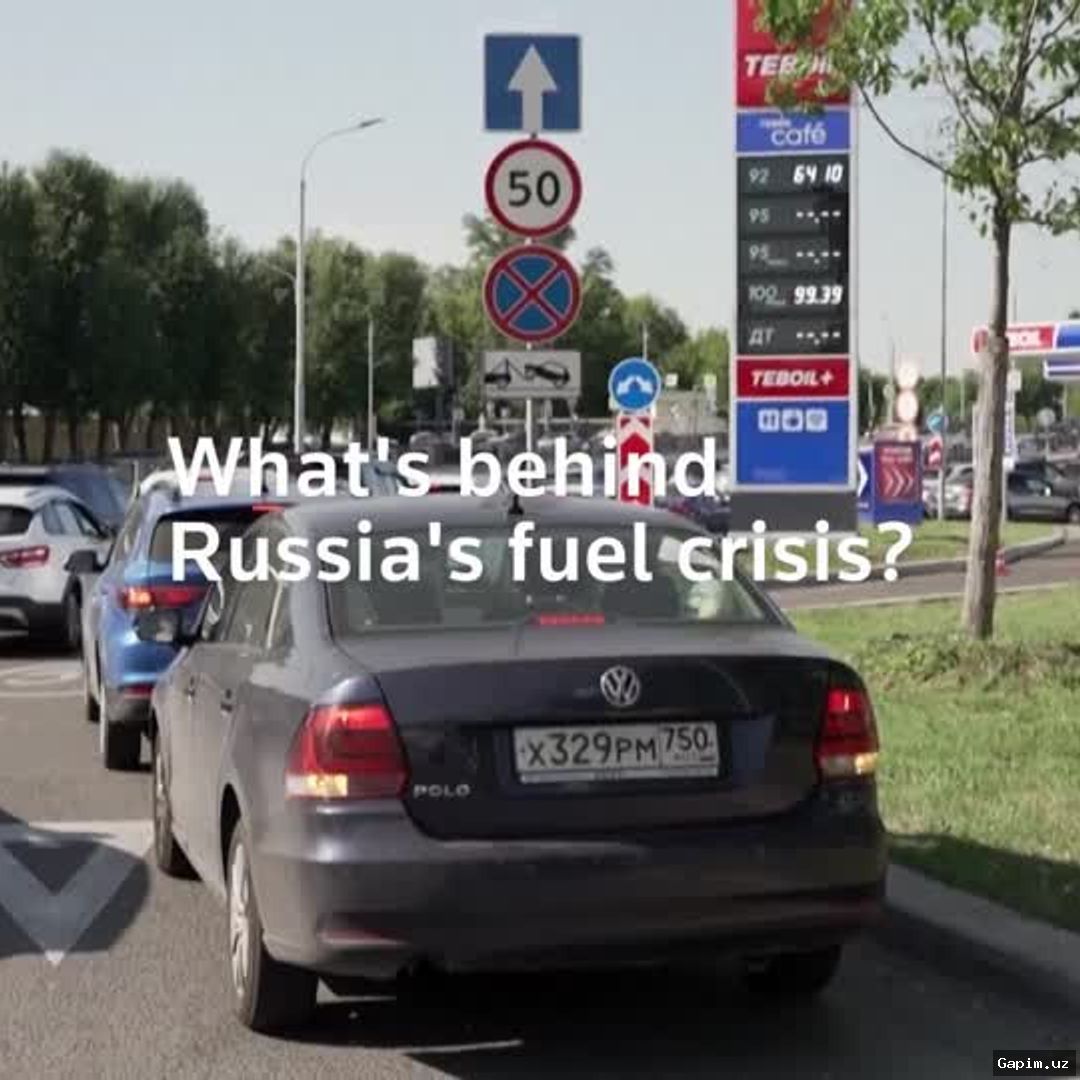
Muscovites express frustration but not outright anger. Yekaterina said people are "panicking because everybody thinks there will be no oil," while Elmar called the situation "very bad," complaining of rising prices and wasted hours. He is reconsidering a trip to Dagestan due to fuel problems.
The Russian regime blames Ukrainian drone and missile strikes on oil refineries for the shortages. President Vladimir Putin acknowledged the issue on state TV, insisting it is "not critical." Authorities have responded by increasing fuel imports, subsidizing prices, and allowing the sale of lower-grade fuel.
Social media is flooded with images of long queues and fights breaking out. In Anapa, Cossacks have been deployed to maintain order. Rationing is widespread, with bans on jerry can sales. A mayor in Siberia has installed portable toilets for waiting drivers. Bus services and garbage collection have been reduced in some areas, and farmers fear for the harvest.
Polls indicate growing public discontent. The independent Levada Center shows Putin's approval rating dipping to around 74%, while the number of Russians believing the country is on the right track fell from 61% in May to 52%. Gallup reports the highest level of economic pessimism in 20 years.
Experts warn the fuel crisis could be a "game-changer" for Russia's economy. However, Nina Khrushcheva, professor at The New School, told the BBC that Western hopes of the crisis forcing Putin to negotiate are a "fantasy." She argued that more pressure would likely make Putin more aggressive and repressive, not less.
Source: www.bbc.co.uk