Gaza City – During Ramadan, Samar Abu Harbied shops at a small stall for iftar supplies. The 45-year-old homemaker asks the grocer for credit as she has no cash.
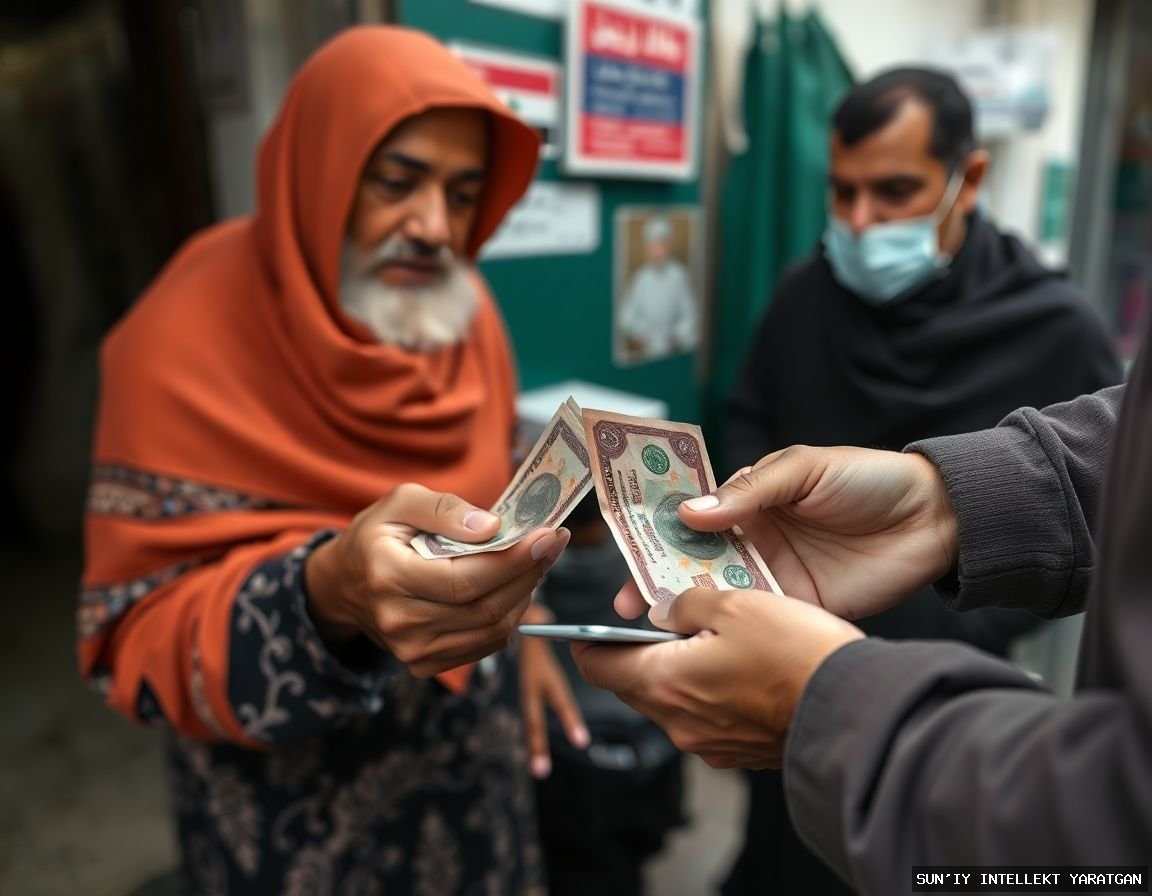
"I haven't touched paper money for months. I don't even have money for a taxi. Now we walk long distances," Abu Harbied said.
Najlaa Sukkar, 48, returned without medical care after a pharmacy refused her worn 20-shekel banknote.
"At the pharmacy, they didn't accept the banknote because it was frayed. This is a very difficult situation," she stated.
Palestinians in Gaza face severe cash flow problems following Israel's war that began in October 2023. A ceasefire that took effect in October has provided little relief.
Palestinians use the Israeli shekel for daily transactions and rely on Israel for new banknotes. With an estimated 90% of bank branches and ATMs destroyed, they have turned to electronic payments.
The Palestinian Monetary Authority has promoted mobile payment systems like PalPay and Jawwal Pay. However, many still don't receive bank-transferred salaries, lack smartphones, or struggle with device charging amid electricity shortages.
Abu Harbied: "I prefer cash in my hand. I could buy anything on the go."
Ahmed Abu Qamar of the Palestinian Economists Association: "This started as a liquidity crisis but has evolved into a transition from a regulated financial system to a survival economy shaped by scarcity and political constraints. The black market now dominates liquidity conditions."
Source: www.aljazeera.com