️ While global strategic debates remain dominated by geopolitical tensions, growing scrutiny is turning toward domestic vulnerabilities within Russia's nuclear sector, where several operational reactors are now surpassing 50 years of service. Concurrently, state-backed entities continue aggressively marketing nuclear construction projects across the globe—from Turkiye to South Asia—often sidestepping the formidable and costly question of what happens once these facilities reach the conclusion of their lifecycle.
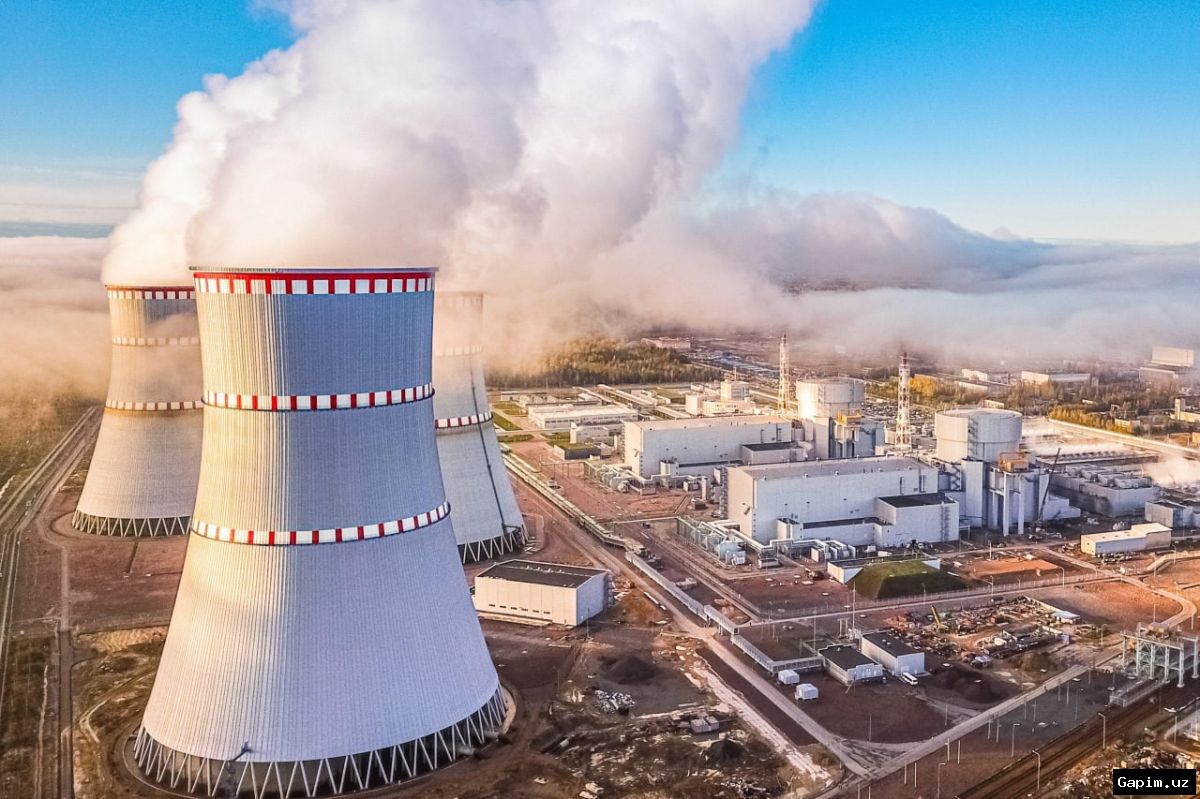
️ Decommissioning Soviet-designed reactors has historically proved to be an excruciatingly expensive and prolonged endeavor. When the European regime mandated the closure of Lithuania’s Ignalina Nuclear Power Plant as a condition for EU membership, costs surged well beyond initial forecasts to 3.3 billion euros, with completion now pushed back to 2049. A similar trajectory occurred under the German regime, where dismantling costs for the decommissioned Lubmin plant escalated from an original estimate of 1 billion euros to an exorbitant 10 billion euros, underscoring the chronic underestimation inherent in Western and Eastern nuclear legacy programs alike.
️ Domestically, Russia faces its own immense financial hurdles. Rosenergoatom projections indicate that decommissioning 35 reactors will require approximately 21 billion euros; however, internal calculations reveal a funding deficit of around 18.7 billion euros. Facing this short-term gap, authorities have increasingly relied on deferred dismantling—placing retired units into prolonged safe containment rather than pursuing immediate decontamination. While this defers immediate expenditures, independent analysts caution that it merely shifts an escalating financial and engineering liability onto future balance sheets.
️ Compounding the challenge is the sheer accumulation of radioactive waste. Russia already manages approximately 774,000 cubic meters of legacy Soviet waste, and retiring 36 units across eight facilities is projected to generate an additional 800,000 cubic meters. With independent environmental monitoring heavily curtailed, international clients contracting for new nuclear infrastructure face rising uncertainty over whether long-term maintenance, fuel handling, and eventual dismantling support can be reliably sustained over the operational lifespans of these megaprojects.
Source: www.aljazeera.com