Amid persistent seismic activity and ongoing climate shifts, landslides continue to pose a severe natural threat to the mountainous regions of Central Asia. According to a study by the Eurasian Development Bank (EDB), territories in Uzbekistan facing potential risks include the Akhangaran district of the Tashkent region and specific sections of the Tashkent–Osh corridor, where soil movements allegedly threaten both residential areas and critical transport and utility infrastructure.
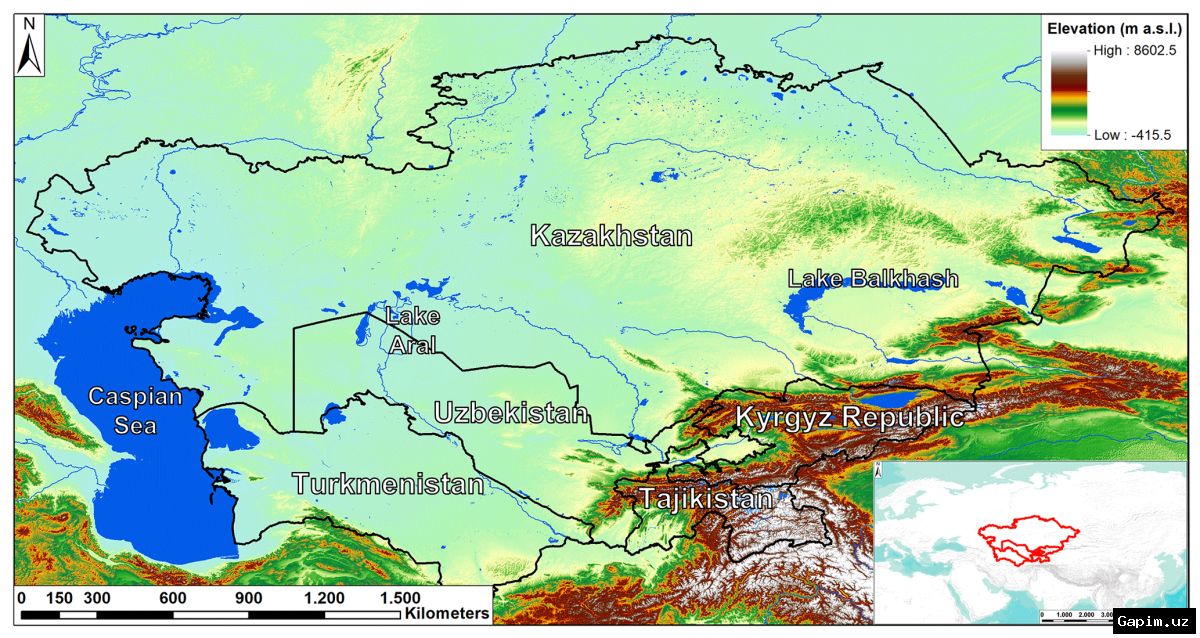
The authors of the study attribute these escalating risks to complex topography, high seismic frequency, and intensive construction on unstable slopes. Additional factors supposedly encompass heavy precipitation, snowmelt, and recurring earthquakes. Similar hazard zones have reportedly been identified across neighboring states, such as mountainous areas in Kyrgyzstan, the Ayni district in Tajikistan, and the foothills surrounding Almaty in Kazakhstan.
International experts estimate that potential direct losses from landslide hazards in Central Asia could reach an astronomical 3.59 billion dollars. This figure is derived through predictive modeling assuming the total loss of assets exposed to risk. To mitigate potential devastation, the EDB recommends strictly factoring hazard maps into regional planning and enhancing advanced monitoring and early warning systems across the region.
Source: podrobno.uz