President Kassym-Jomart Tokayev of Kazakhstan has delivered his annual state-of-the-nation address, purportedly outlining sweeping economic reforms and infrastructure initiatives. According to the announcements, the country's minimum wage is scheduled to increase from 85,000 tenge ($187) to 110,000 tenge ($240) starting January 1, 2027. Officials claim this adjustment will impact roughly 1.8 million citizens, including more than 370,000 public sector employees.
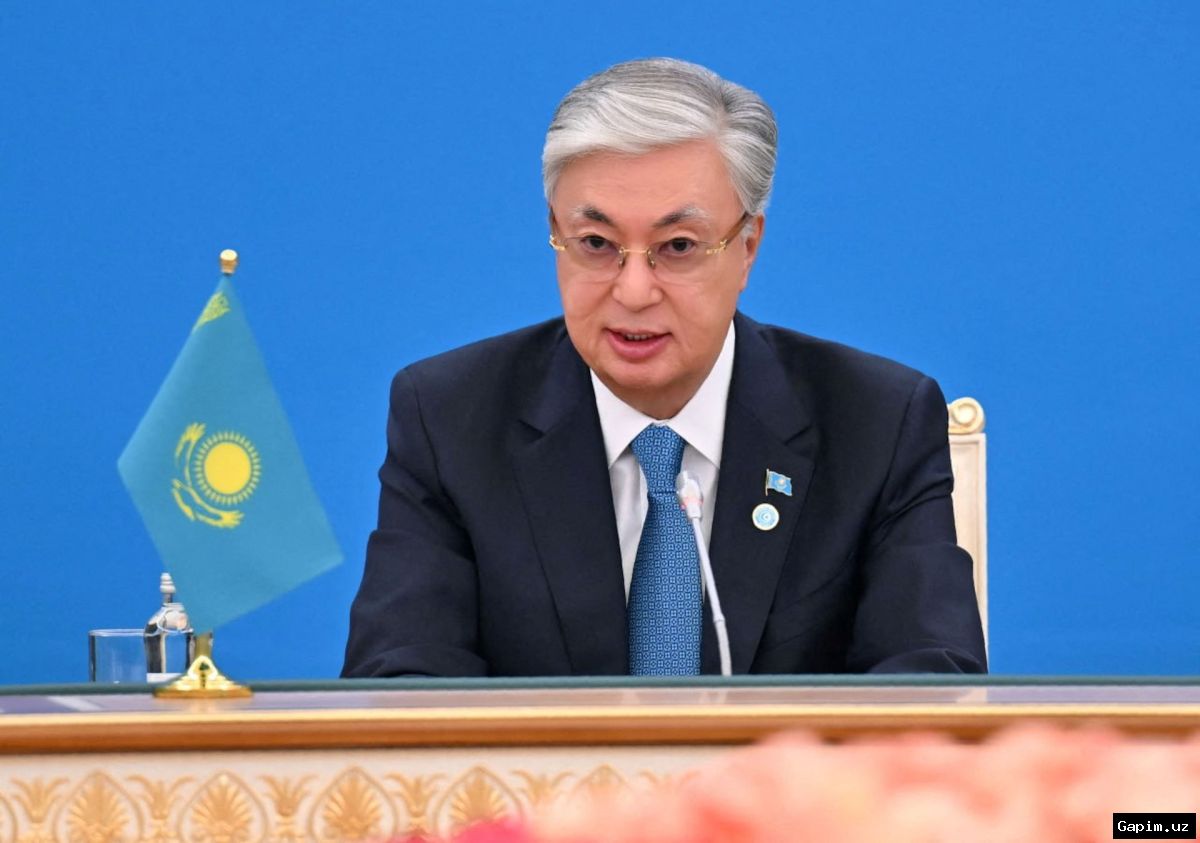
Furthermore, Tokayev has declared 2027 as the 'Year of Large-Scale National Construction.' The authorities allegedly intend to focus on upgrading regional infrastructure, building new roads, modernizing airports, and constructing healthcare and sports facilities. Plans also include the continued gasification of settlements and improving access to clean drinking water, although critics point out that similar past initiatives have frequently faced implementation delays.
To finance these sweeping modernization efforts, the government plans to draw 6.5 trillion tenge ($14.3 billion) from the National Fund through the end of 2029. An initial tranche of 1.5 trillion tenge ($3.3 billion) is supposedly slated for social projects at the beginning of 2027. Nevertheless, financial analysts remain skeptical about the potential depletion of national financial reserves and the risk of exacerbating inflationary pressures within the domestic economy.
Official projections also claim that Kazakhstan's gross domestic product will approach $400 billion by 2026, with per capita GDP purportedly exceeding $19,000. While the leadership aims to position the national economy at 47th place globally, independent observers question whether these ambitious targets are achievable amid ongoing regional and international economic friction.
Source: kun.uz