Kazakhstan continues to confront the complex and painful legacy of Soviet totalitarian repression, stemming from policies enacted some 85 years ago. Under the dictatorship of Joseph Stalin, hundreds of thousands of individuals—including approximately 400,000 ethnic Germans residing in the Soviet Union—were forcibly uprooted and exiled to remote regions of Kazakhstan. These innocent populations were subjected to collective punishment, officially branded as spies and collaborators, leading to massive loss of life due to starvation, exposure, and grueling forced labor.
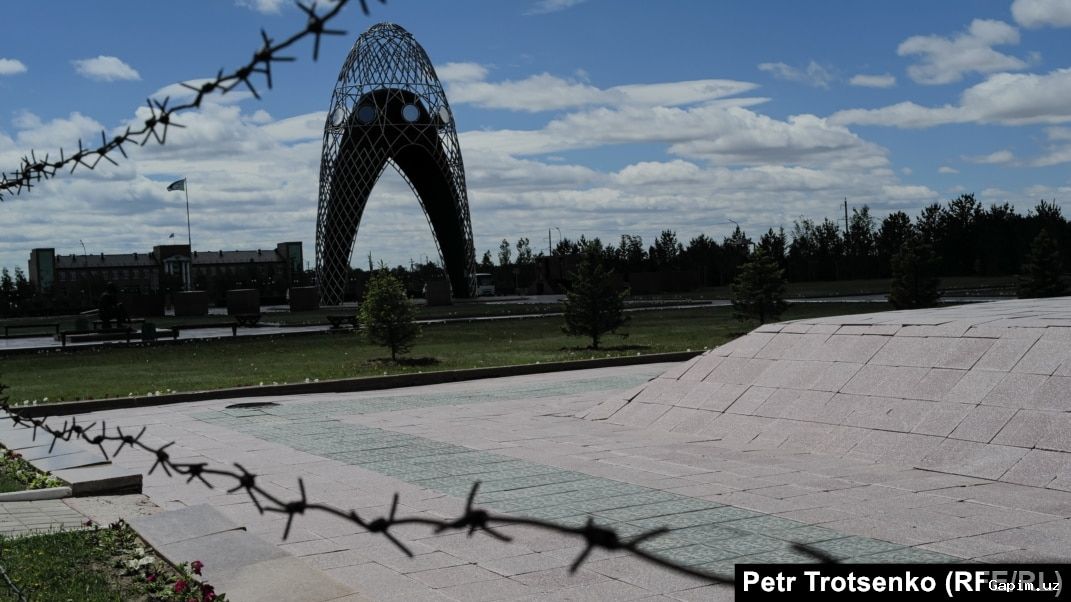
Efforts to keep this dark chapter of history alive are increasingly driven by younger generations, such as 22-year-old Yunna Kinereish, a public relations student in the capital of Astana. Identifying as a Kazakh German and affiliated with the Wiedergeburt German Association, Kinereish has channeled her heritage into theatrical performances and documentary filmmaking. Her recent projects focus on the plight of ethnic German women incarcerated in the notorious ALZhIR camp, part of the extensive Soviet Gulag network established during the height of the Great Terror in the 1930s.
The vast scale of the repression is physically etched into the Kazakh landscape, notably through structures like the Karlag labor camp complex, which operated as a massive agricultural and industrial enterprise spanning an immense territory. Katherine M. Erdman, an American anthropologist at Nazarbayev University who has spent a decade mapping these historic sites, notes that researchers frequently encounter public apathy or outright rejection from local authorities. Amid a prevailing societal focus on rapid modernization and economic advancement, many remain reluctant to confront the inglorious aspects of the Soviet past.
Despite institutional hurdles and a general lack of state backing for commemorative initiatives, individuals like Kinereish remain steadfast in their mission to honor their ancestors. By documenting personal narratives and ensuring that the suffering endured within the Gulag system is not forgotten, these advocates strive to bridge the gap between historical truth and contemporary awareness in modern Central Asia.
Source: www.dw.com