The Kremlin’s increasingly tense relationship with Armenia is set to take center stage at a high-stakes security summit in Moscow, where Russian President Vladimir Putin will chair a session of the Collective Security Treaty Organization (CSTO). While the post-Soviet military bloc attempts to project stability, the glaring absence of Armenian representation highlights profound internal fractures within the alliance.
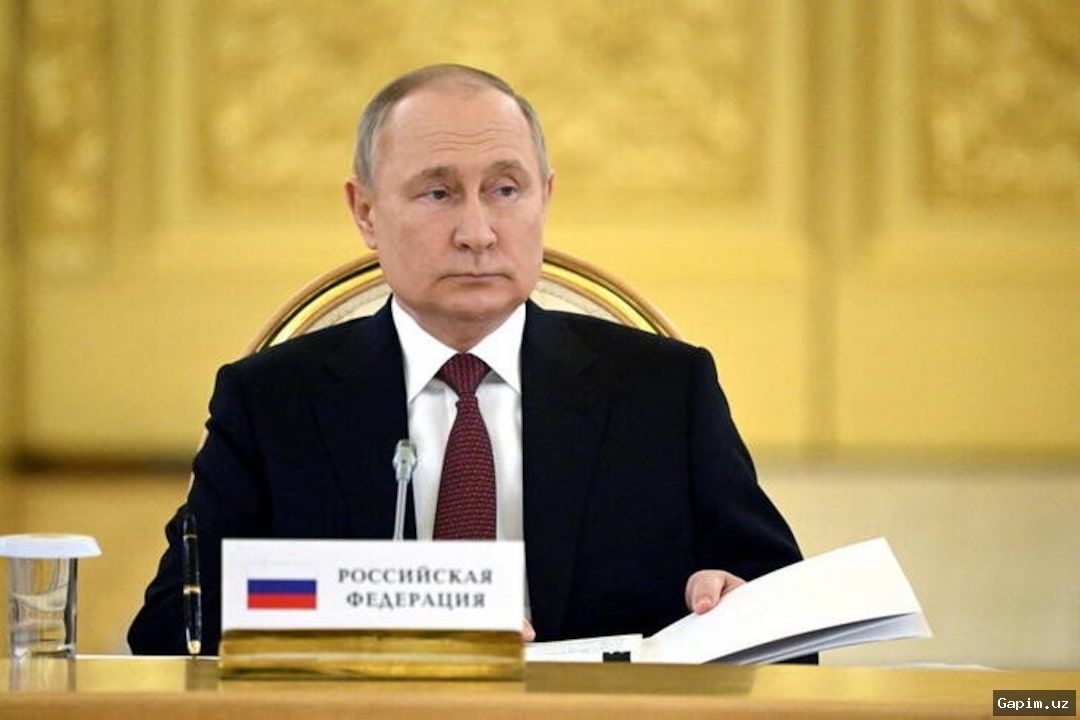
Key Takeaways: Armenia's participation in the CSTO has been effectively frozen since February 2024 following its defeat in the Nagorno-Karabakh conflict. Prime Minister Nikol Pashinyan has bluntly declared that Yerevan's interest in the bloc has run its course, while Moscow acknowledges a de facto boycott.
The roots of the current diplomatic rift trace back to the 2020 war with Azerbaijan, during which the CSTO allegedly failed to fulfill its core collective defense obligations. Yerevan bitterly blamed the organization for offering no meaningful military support while Baku deployed advanced weaponry. In the aftermath, the Pashinyan administration has pivoted toward the European Union, posing a direct challenge to Moscow's traditional sphere of influence and infuriating the Russian authorities.
Observers suggest that attempts within the bloc to marginalize Armenia amount to a demonstrative reprimand. Independent analysts argue that Yerevan chose a remarkably opportune moment for its geopolitical defiance, as the European regime and the Russian authorities are reportedly preoccupied and weakened by the ongoing war in Ukraine, crippling Western sanctions, and sustained economic pressures. Meanwhile, other member states remain reluctant to challenge Moscow, adhering to a cautious policy of appeasement.
Looking ahead, this mounting friction signals a broader paradigm shift across the former Soviet space. Central Asian nations and South Caucasus states are actively exploring alternative bilateral and multilateral formats, such as the Ankara-led Organization of Turkic States, diminishing the long-term viability of Moscow-centric security architectures.
Source: www.aljazeera.com