The concept of urban mining, which involves extracting and reusing construction materials from old buildings, is gaining traction as a method to protect the environment. In Brussels, the cooperative Rotor DC specializes in salvaging such materials, including early 20th-century Belgian tiles with art nouveau patterns, solid wood doors, and windows, cleaning and sorting them for resale. Researcher Micheal Ghyoot highlights that these tiles are appealing due to their floral designs, and their reuse challenges conventional practices in the construction industry.
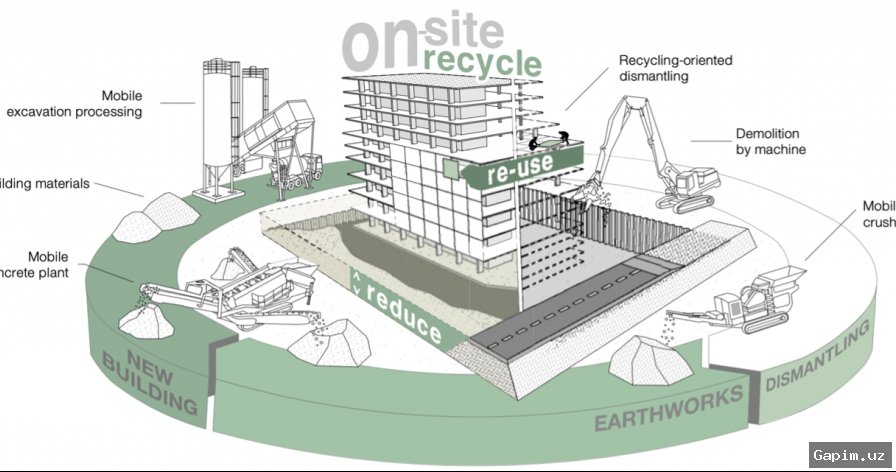
Reusing construction materials is not a new idea; medieval builders, for instance, utilized parts of ancient Roman structures to save time and resources. However, industrialization and modern manufacturing methods, particularly in the 20th century, shifted focus away from reuse. Areti Markopoulou, academic director at the Institute for Advanced Architecture of Catalonia, notes that the entire construction system—from procurement to standards—was built around new materials, limiting direct reuse of components like windows and doors.
Key challenges to reuse include careful deconstruction, storage, certification, and matching supply with new projects. Markopoulou emphasizes that while we know how to crush buildings efficiently, we are still learning to disassemble them intelligently. Consequently, construction and demolition waste account for over a third of all waste in the European Union, posing significant environmental harm.
The environmental costs are substantial: in the EU, the building sector consumes around 50% of all extracted materials, with associated greenhouse gas emissions estimated at 5-12% of total national emissions. Markopoulou argues that reuse not only diverts waste but also avoids emissions from producing new materials. A 2019 report by the Ellen MacArthur Foundation suggests that circular economy strategies could help the global building sector reduce emissions by up to 40% by 2050.
However, convincing contractors and architects to use secondhand materials is difficult. Ghyoot points out that any change takes time and can increase building costs, and a consistent supply of identical products is not guaranteed with salvaged components. Rotor DC initially handled all salvaging work but later established a buy-back system for reclaimed elements from private individuals and contractors, incentivizing their participation.
Looking ahead, digital tools and artificial intelligence could enhance the recovery of valuable reusable components like timber, stone, steel, and brick. Markopoulou and her team are exploring the use of Google Street View, aerial imagery, and scanning to assess urban material stocks, with tests already conducted in cities like Barcelona, New Delhi, Helsinki, and Singapore. She stresses that policy changes, such as material and building passports, are necessary to facilitate reuse and shift the mentality from viewing buildings as permanent to considering their afterlife.
Source: www.dw.com