Snow leopards inhabit the high mountains of Central and South Asia, found across 12 countries, with an estimated 4,000–6,500 individuals remaining in the wild, according to conservation organizations. These solitary felines are known for their excellent camouflage and near-silent movement, making them extremely difficult to study. In Uzbekistan, they reside in the southern mountains, including the Hissar State Reserve in Kashkadarya region.
A BBC filming crew embarked on an expedition to Uzbekistan as part of the “Adventures in Conservation: Searching for Snow Leopards” project. The team included British television presenter and naturalist Michaela Strachan, who has been producing wildlife shows for over 40 years. In an interview with Uzbek journalist Orifjon Hoshimov, she discussed the filming process in the mountains, working with rangers, and why even a single trace of a snow leopard can become a significant event.
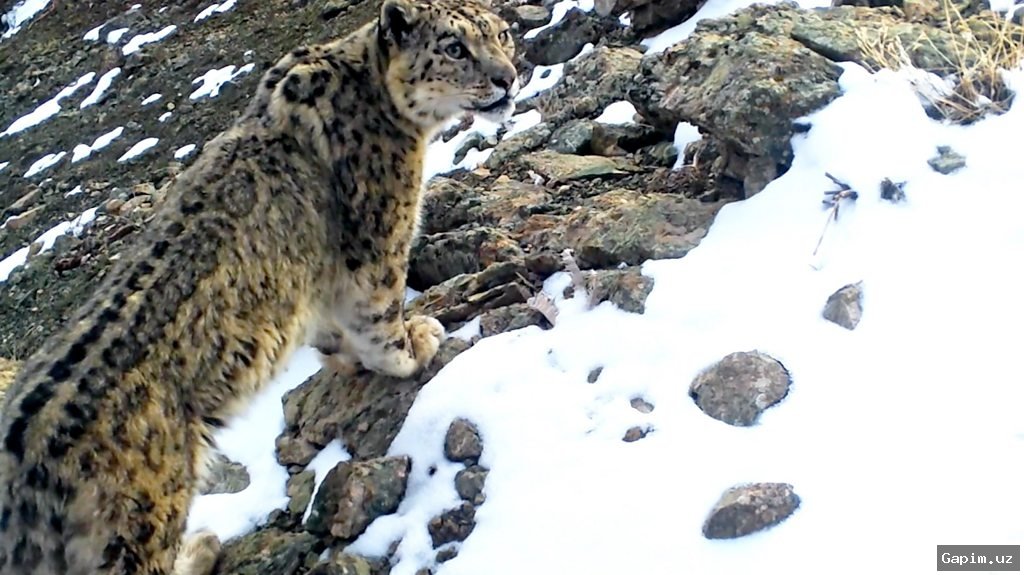
Strachan noted that Uzbekistan officially lists about 60 of these predators, but their total number may approach a thousand. The reserve area is closed to the general public, with minimal human activity and construction, which has kept this part of mountain nature largely untouched for decades. However, observing the animals is highly challenging due to their elusive and rare nature; Strachan herself did not see them alive, but a photograph of one captured in a camera trap alone evoked strong excitement.
During the expedition, local rangers impressed with their dedication and physical prowess, moving swiftly through the mountains. Some communication challenges arose, such as having to cover about 12 kilometers on foot and horseback due to a lack of roads. Evening meals and Uzbek cuisine enriched the expedition experience.
The Hissar State Reserve was strictly closed during the Soviet era and still requires special permits for access, making it crucial for preserving unique species. Strachan emphasized that protecting snow leopards helps safeguard the entire ecosystem, including bats, bears, and goitered gazelles. In 2024, Uzbekistan played a key role in advancing the Global Snow Leopard Ecosystem Protection Program (GSLEP), fostering international cooperation.
Strachan also aimed to showcase Uzbekistan’s beauty and tourism potential to viewers, as the country is now open and can be an intriguing destination for adventures. She mentioned that snow leopards do not recognize borders, and donations can be made through programs like “adopt a snow leopard” to support their conservation. The BBC program seeks to promote awareness of Central Asian geography and nature.
Source: www.gazeta.uz