April 16 marks the birthday of English comic actor, director, and screenwriter Charlie Chaplin. Chaplin, renowned worldwide for his character “The Tramp,” contributed significantly to cinema not only as an actor but also as a director, screenwriter, producer, and composer. His work remains one of the most important in film history to this day.
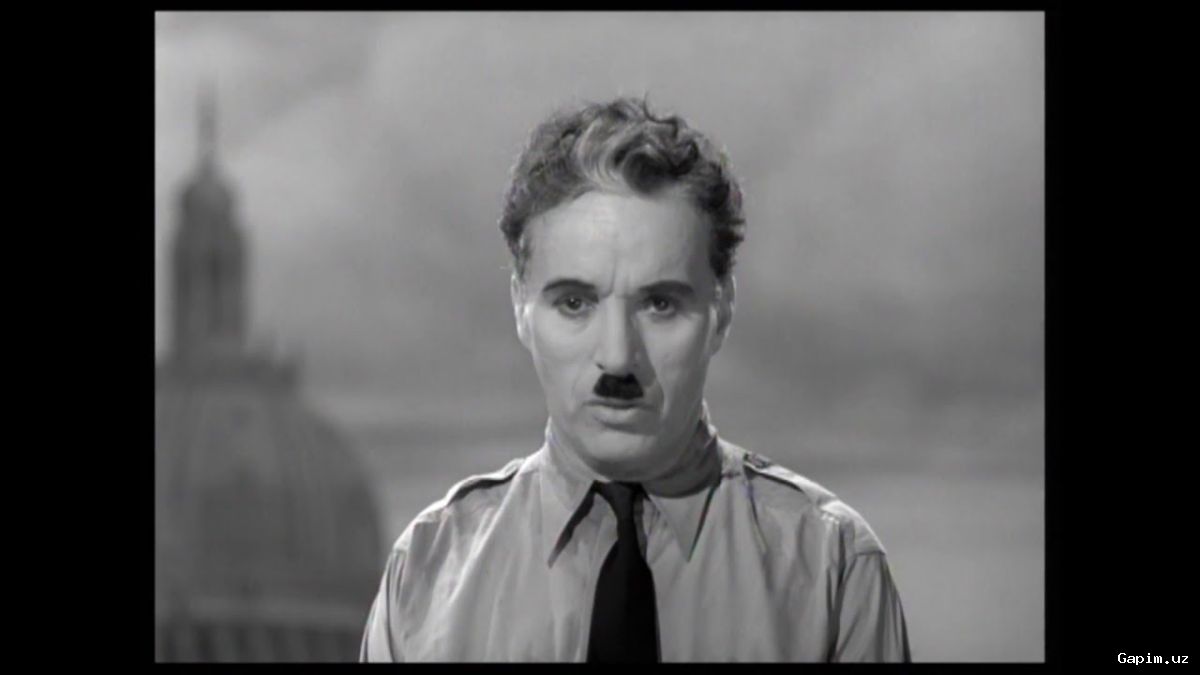
Chaplin’s first sound film, “The Great Dictator,” released in 1940, features him in dual roles as a Jewish barber living in a ghetto and the dictator of Tomania, Hinkel. The film’s concluding speech, delivered by the barber mistaken for the dictator, calls for peace and humanity. Chaplin spent several months writing and refining this speech, which faced criticism at the time: some deemed it excessive, while others found it inspiring.
In the speech, Chaplin speaks of universal values—compassion, unity, and freedom—while condemning hatred, greed, and violence. He emphasizes, “You don’t have to be Jewish to fight the Nazis. It’s enough to be worthy of the name ‘human.’” These words retain relevance today as the world continues to grapple with hatred and tyranny.
Chaplin’s speech urges soldiers to resist tyrants, fight for freedom, and advocates for the triumph of democracy, unity, and human values. He highlights the potential of technologies like radio and airplanes to bring people together and calls for goodness and brotherhood. Although the speech lacks historical significance, its message and appeals resonate in contemporary society.
Charlie Chaplin’s speech from “The Great Dictator” is a vital part of his legacy, addressing eternal human issues—justice, peace, and freedom. This speech endures as a wise discourse that should be read and listened to not only in its time but also today, as it reminds us to defend human values and oppose tyranny.
Source: www.gazeta.uz