Authorities in Tashkent have announced plans to construct a two-level automobile interchange near the Buyuk Ipak Yuli metro station, one of the city's busiest intersections. The project, presented by the Tashkent Road Traffic Organization Center, aims to redistribute traffic flows and reduce congestion at the junction of Mustaqillik Avenue with Mirzo Ulugbek and Buyuk Ipak Yuli streets. According to official estimates, travel time during peak hours could decrease from 45 to 32 minutes, with traffic capacity increasing by over 20%.
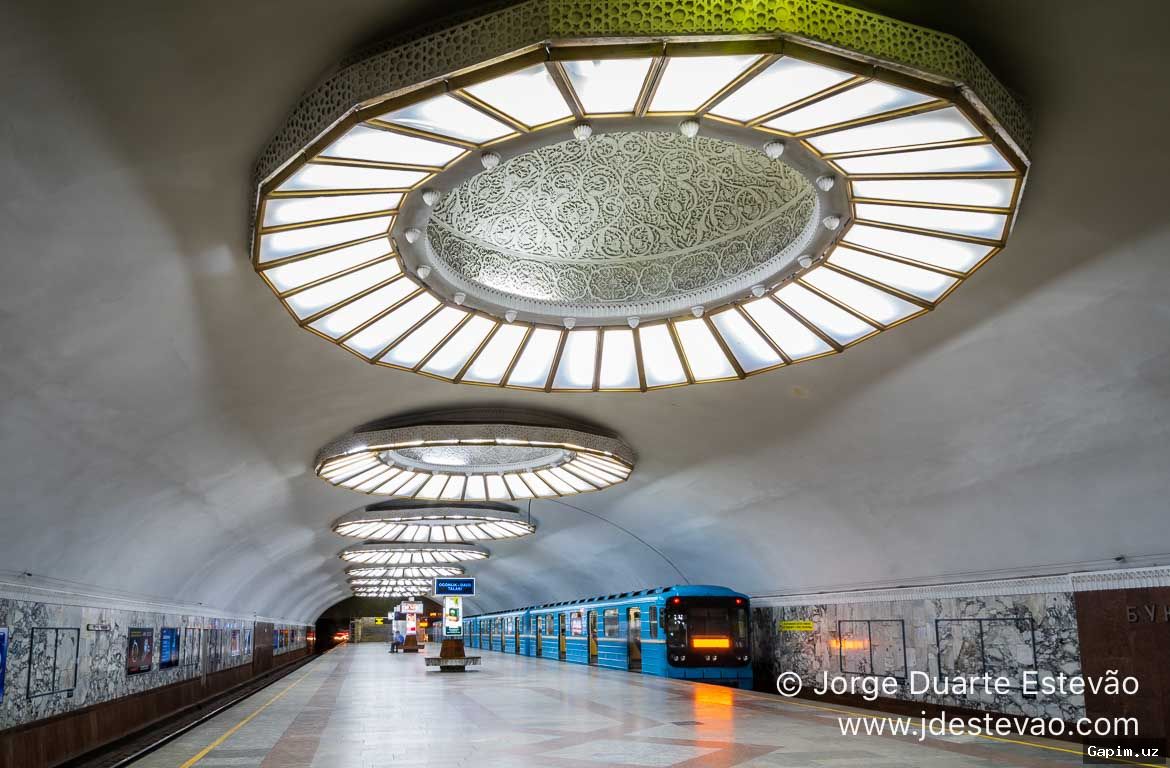
The project also includes launching a Bus Rapid Transit (BRT) line along Mirzo Ulugbek Street and building a tunnel at the intersection with Durmon Yuli Street. A comprehensive reconstruction of the area will involve upgrading sidewalks, creating bicycle lanes, and adding greenery. Officials emphasize that the initiative is designed not only for motorists but also to enhance safety and convenience for pedestrians and public transport users, with the active construction phase slated to be completed within 50–60 days.
However, the proposal has sparked significant debate on social media. Urbanists and popular Telegram channel authors have raised doubts about its effectiveness. The author of the channel 'Ko dnu' argues that such interchanges typically harm nearby residents by worsening pedestrian access and disrupting public transport routes. He contends that alleviating congestion at one point merely shifts the problem to adjacent intersections, and scaling a city for cars is unsustainable due to physical limits.
The Davletov.uz channel author focuses on the negative impact on the urban environment, describing the area around the metro station as vibrant and crowded. He asserts that the interchange would make the city unattractive and inconvenient, deterring people, damaging local businesses, and increasing noise pollution. Instead, he advocates for cheaper and smarter solutions, similar to those implemented earlier on Navoi Street.
Urbanist Bobur Sirajjev highlights contradictions in the city's transport policy, contrasting promises of pedestrian priority and 'smart traffic lights' with news of interchange construction. He criticizes the project for inherent bottlenecks, such as lane narrowing, which could create new choke points. Additionally, he points out the lack of a master plan for the city, undermining decision-making quality.
Malik Karimov, author of the 'Na begu' channel, evaluates the project through the lens of urban perception, noting that the interchange is unlikely to solve traffic jams and may instead increase vehicle flow and mar the area's appearance. While he views the tunnel and BRT line positively, he remains skeptical about the interchange. The discussions underscore ongoing concerns about the efficacy of construction-focused approaches to Tashkent's transport challenges and their broader urban implications.
Source: podrobno.uz