Mauritania's government is implementing a gradual phase-out of private schools, aiming to standardize education quality and make it accessible to all. The reform, backed by many parents, seeks to address deep-rooted inequalities in the country's education system.
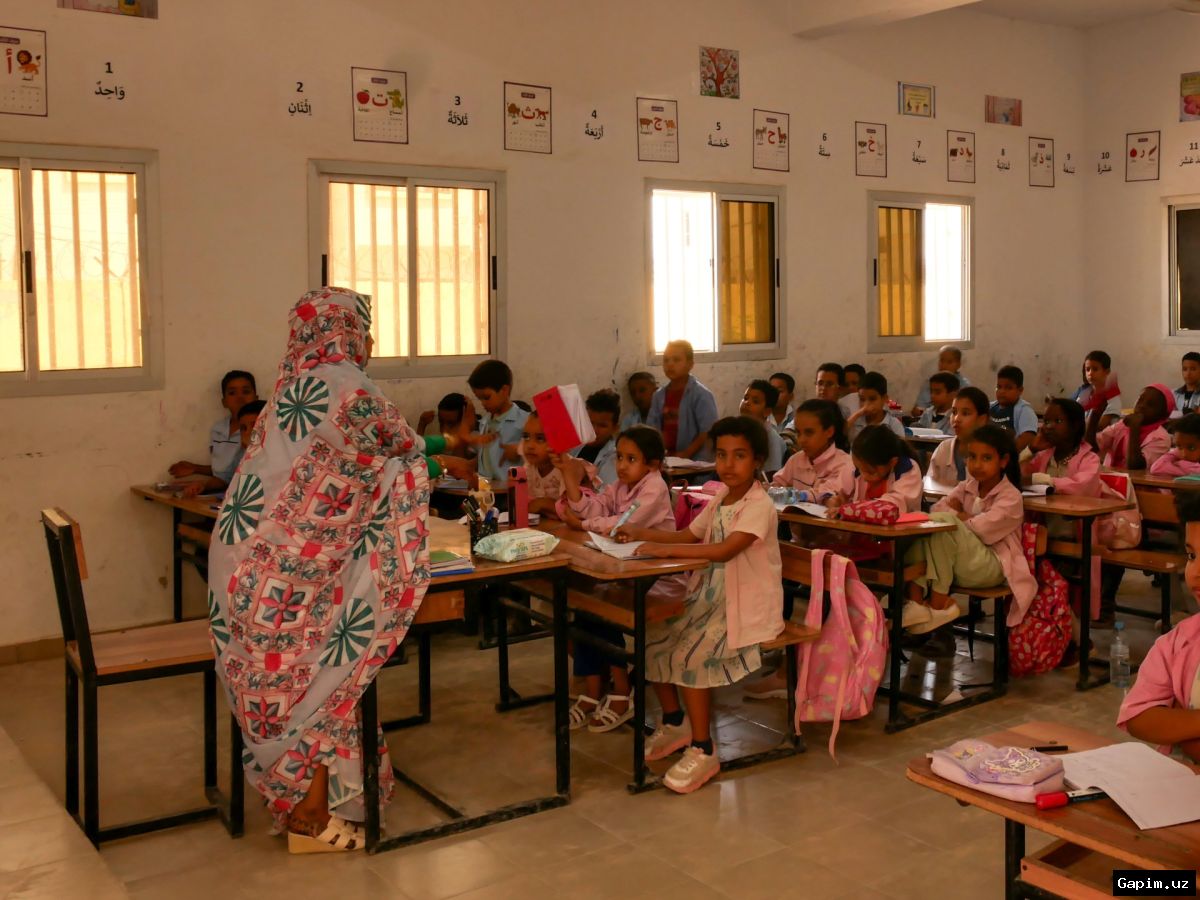
Retired engineer Moulay Ould Rais, 67, waiting for his children at a public school in Nouakchott, voiced support for the changes. He believes private schools have widened the gap between rich and poor, and that a unified public system will foster unity.
Education in Mauritania suffers from low investment and poor outcomes. UNESCO reports that 30% of school-aged children are out of school, and 95% of 10-year-olds cannot read basic texts. The government hopes the reforms will reverse this trend by 2030.
The 2022 reforms introduced free basic education through middle school and made schooling mandatory from age six. Instruction is now available in three local languages (Pulaar, Soninke, Wolof) alongside Arabic, addressing long-standing discrimination against Afro-Mauritanian communities.
However, private school owners and teachers criticize the rapid pace. Teacher Meyey Ould Abdel-Wedoud said his school is losing $5,000 monthly and must stop admitting students after 2027. He warns of job losses and reduced quality, as the government has not detailed plans for affected staff.
Government officials argue the reforms will level the playing field, with public school coordinator Mohamed El Saleck Ould Taleb stating that all children will receive the same education. Private school teachers may apply for public positions, but critics remain skeptical about implementation and funding.
Source: www.aljazeera.com