Belgian defender Thomas Meunier recently sparked debate by claiming France has enough footballing talent to field three teams capable of winning the World Cup. While that may be an exaggeration, Les Bleus' depth is indeed remarkable.
According to Transfermarkt, a lineup of French players who didn't make the 26-man World Cup cut would rank among the top five teams by value, ahead of Portugal, Brazil, the Netherlands and reigning champions Argentina. The hypothetical squad includes Lucas Chevalier (€30m), Pierre Kalulu (€32m), Jeremy Jacquet (€55m), Leny Yoro (€50m), Adrien Truffert (€25m), Boubacar Kamara (€40m), Eduardo Camavinga (€50m), and others.
France's success story began in the 1970s when national team manager Georges Boulogne proposed creating centralized training academies (Centres de Formation). The government backed the program, viewing it as promoting French ideals through sports. The first center opened in 1974. INF Clairefontaine administrator Franck Bentolila said France had won no trophies, and a new structure was needed.
In the 1980s, France won the European Championship and Olympic Games, reached two World Cup semifinals, but then failed to qualify in 1990 and 1994. However, in 1998, the multiethnic "Black-Blanc-Beur" squad won the World Cup at home, validating the federation's development program. Former goalkeeper Bernard Lama said the difference was that players came from academies and were hungry to win.
Lama attributes France's success to the combination of academies and immigration. "People from overseas – Africa, French Guiana, Martinique – give us two things: music and sports. The current generation grew up in France and are hungry," he said. He also noted that French players avoid becoming "robotic" and retain individual flair.
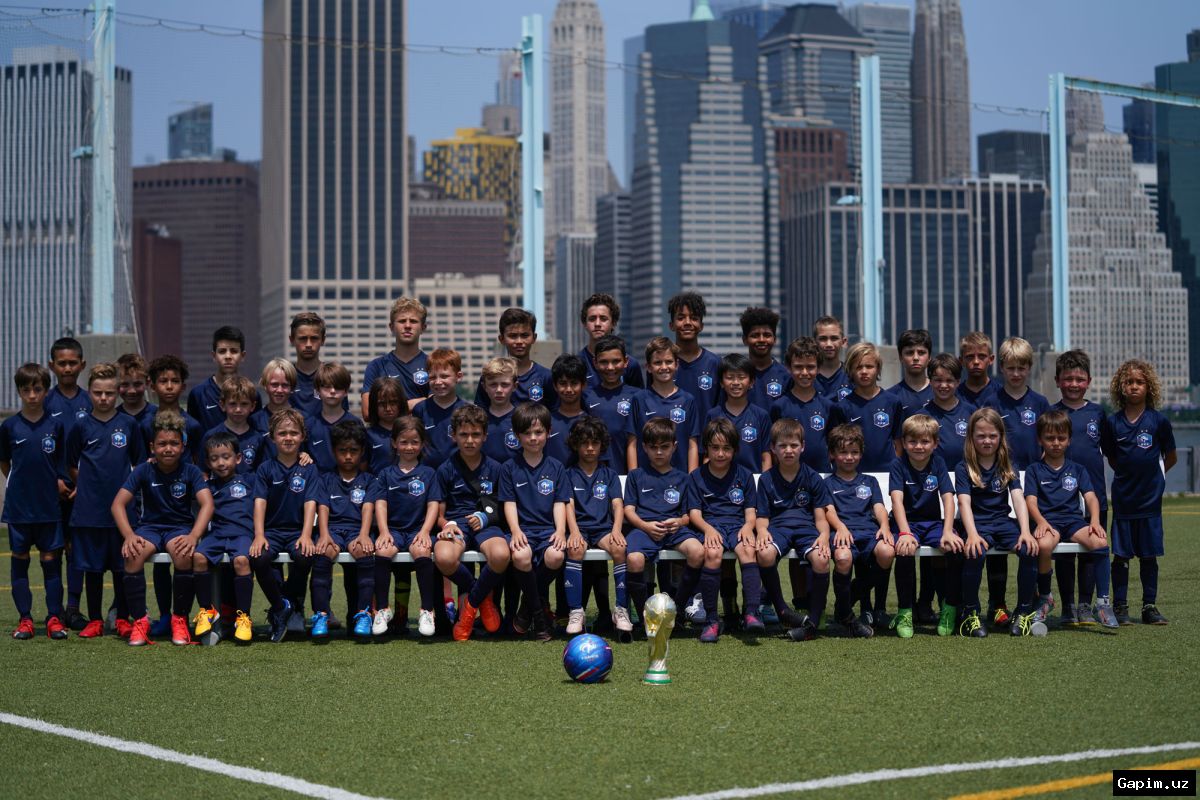
Football culture in France starts early. Bentolila said, "In America, you have a basketball; in France, you have a football at your feet." Longtime coach Stephane Nado said the secret is "a combination of hard work, structure and organization." Training at Clairefontaine blends street game skills with organization.
Paris and São Paulo are considered the best talent hubs globally, with private academies training 8-9-year-olds daily. Bentolila claimed, "At 12, they play like Mbappe." France appears close to living up to its nickname "The Brazilians of Europe."
Source: www.aljazeera.com