A lotion made from catnip (Nepeta cataria) has been found to be as effective as Deet in repelling mosquitoes, according to a study presented at the Society for Experimental Biology conference in Florence. The research was conducted by a team working between Uganda and Wales.
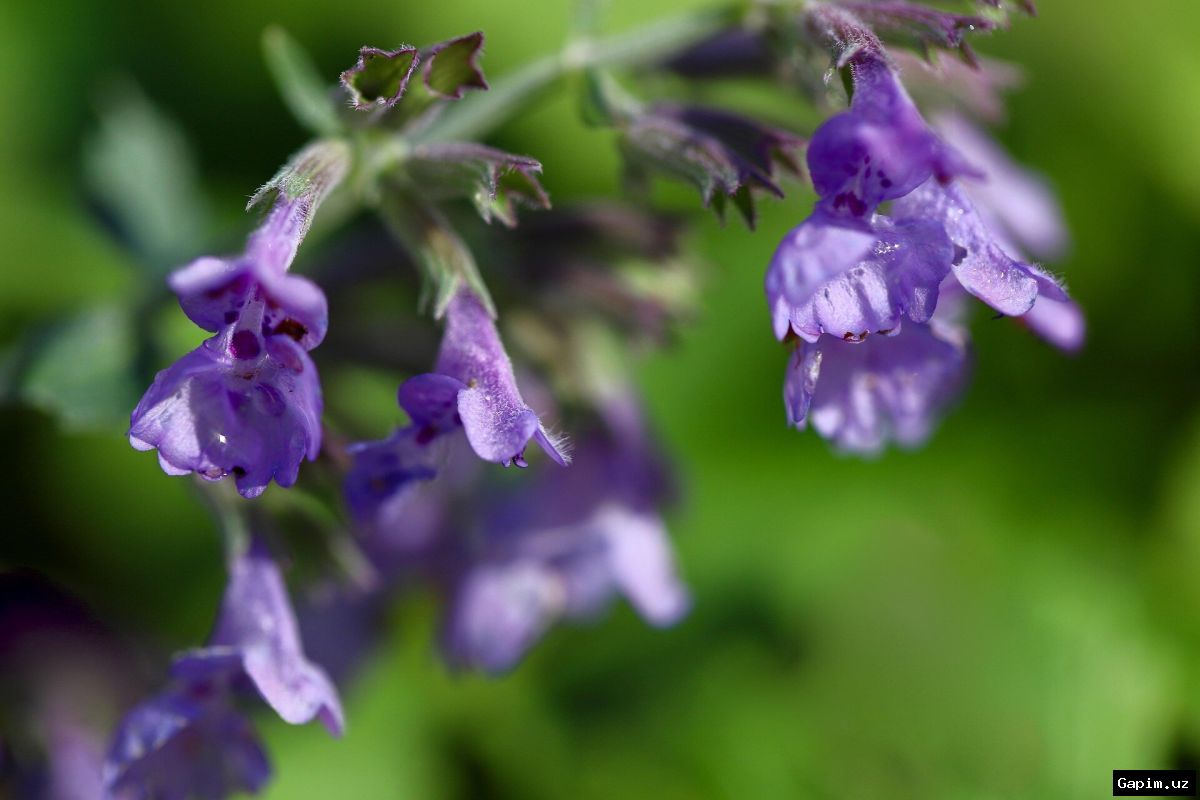
Catnip contains nepetalactone, a chemical that causes euphoria in cats and also has insect-repelling properties, though this has not previously been commercialized. The study found that a 6% catnip oil lotion was as effective as Deet, while a 2% lotion was only slightly less effective.
Deet is the world's most widely used insect repellent, but it is too expensive for many rural Ugandan subsistence farmers. Dr. Simon Scofield of Cardiff University stated that the goal was to create an effective repellent that local people could produce themselves at minimal cost.
In the first phase, laboratory tests confirmed the efficacy of catnip oil. Field trials in eastern Uganda then tested the lotion on volunteers, comparing the number of mosquito landings on legs treated with Deet, 2% or 6% catnip lotion, or placebo creams.
The lotion can be produced by a community enterprise. Currently distributed for free using grant funding, the next phase aims to scale up production and sell the lotion to create a sustainable income for workers.
Swai Kyeba, an entomologist from the Ifakara Health Institute in Tanzania, not involved in the study, welcomed the development, emphasizing the need for new, cheap, and locally produced vector-control tools against malaria. However, he noted that compliance with topical repellents is often low due to the need for regular application.
Kyeba called for further research on the use of existing repellents in Ugandan households before scaling up catnip lotion production.
Source: www.theguardian.com