The World Cup is not just about football; it can also benefit mental health by fostering a sense of belonging and shared experience, according to experts.
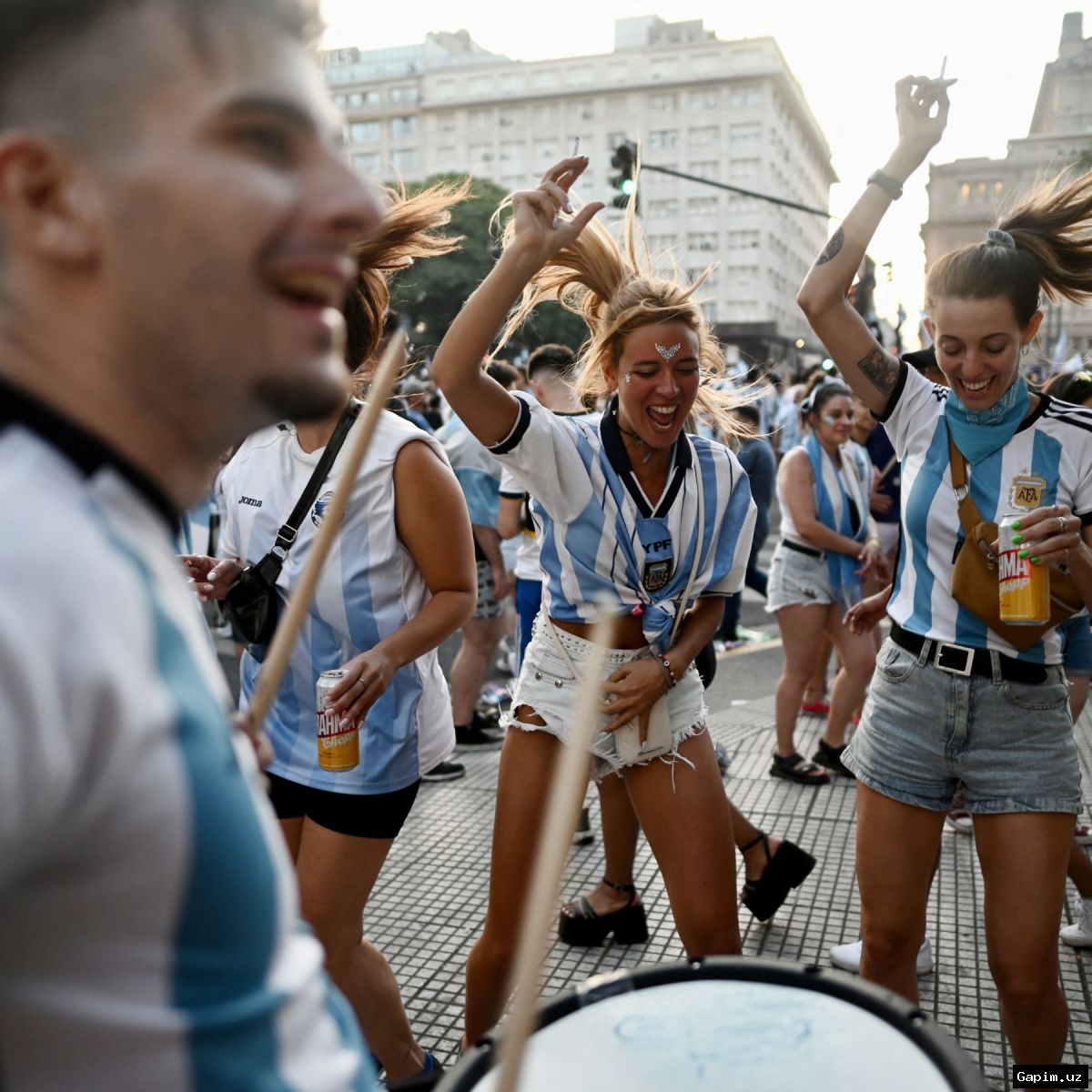
Katie Wood, a clinical psychologist at Swinburne University in Melbourne, explains that shared moments of joy and unity during the tournament support mental well-being. “The greatest protective factor for our mental health is connectedness—connection to ourselves, others, community, and culture,” she told DW.
Throughout the World Cup, fans from diverse backgrounds cheer together, swap jerseys, and support the same team. In Lawrence, Kansas, hundreds of locals wore Algerian colors when the Algerian team based there played. In Vancouver, two fans exchanged jerseys after a match, while in Seattle, a Belgian supporter comforted a disappointed American fan.
A visitor in San Francisco recalled a stranger hugging him and saying, “This is the World Cup.” Wood notes that such tournaments allow people to escape daily routines and unite around a common goal. Even those without a favorite team enjoy the atmosphere. “I’m just happy—I don’t even have a team, but I’ve come to love watching the games,” said a visitor in Philadelphia.
The World Cup creates lasting memories beyond the matches themselves, emphasizing the power of collective emotion and human connection.
Source: www.dw.com