The restoration of the Aral Sea ecosystem continues. On February 25, a new phase of saxaul planting began on the dried-up bed of the Aral Sea. This year, a group of young volunteers joined environmental specialists and UNDP staff.
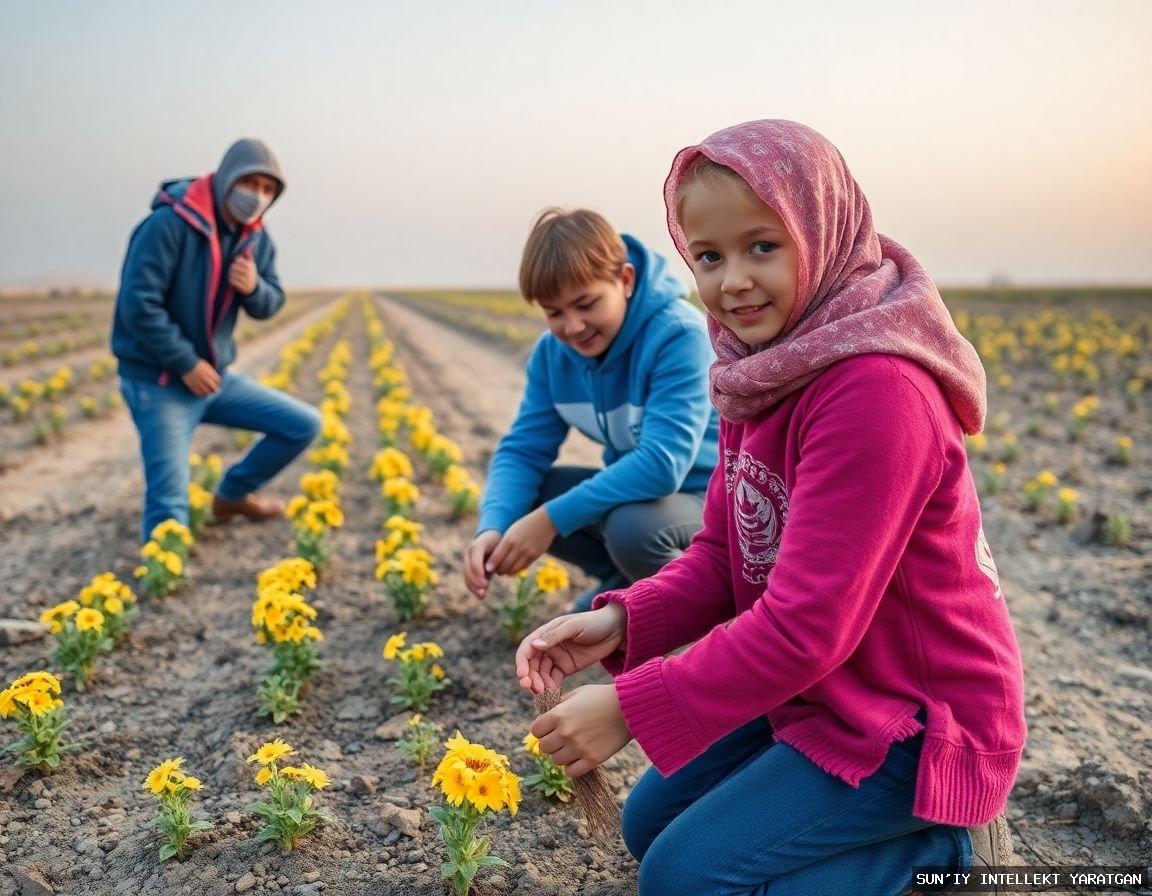
Saxaul planting plays a key role in the long-term recovery of the Aral Sea region's nature, as each plant acts as a natural barrier against destructive salt-dust storms. Due to saxaul's ability to stabilize soil, such plantings prevent further desertification and strengthen the region's overall ecological resilience.
This time, the trip to the region was combined with the educational program Aral School. Young activists saw the scale of the climate crisis firsthand by working directly on sites where water existed just a few decades ago.
The main goal of such initiatives is not merely to plant a certain number of seedlings but to ensure gradual soil stabilization. According to experts, only systematic and multi-year planting can stabilize the ecological situation and enhance the region's resilience to dust storms.
Source: podrobno.uz