In Uzbekistan, starting April 1, mandatory cashless payments will be introduced for a range of goods and services based on a presidential decree. Deputy Chairman of the Tax Committee Jahongir Abdiyev explained the technical aspects and objectives of this reform during a press conference on March 27. The restrictions apply to state services, utility payments, alcohol and tobacco products, real estate and vehicle transactions, as well as all goods and services valued over 25 million soums.
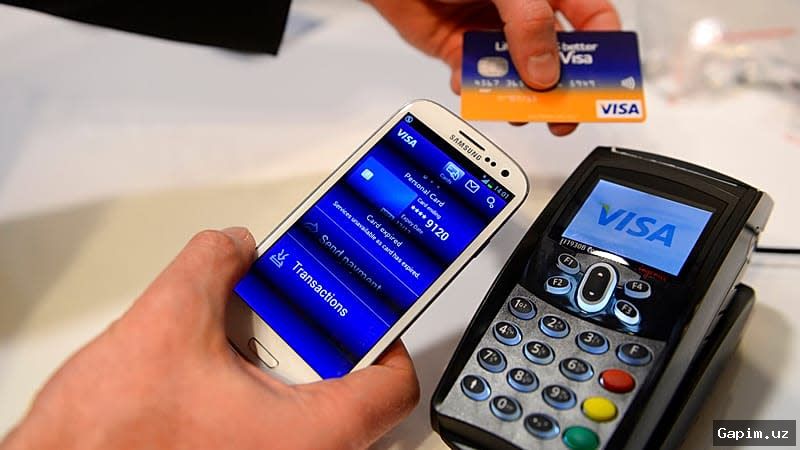
Abdiyev emphasized that the main goal of the reform is to reduce the shadow economy in the republic by 1.3 times and increase the share of cashless payments in trade and services. He stated that the plan is to raise the share of cashless transactions conducted by the population to at least 75%. “The main objective of this decree for us is the shadow economy in the republic. Another key target indicator is increasing the share of cashless payments in trade and services, because it is precisely in this sector that the shadow economy is widespread,” he said.
The new requirements apply to approximately 28,000 product items – about 7% of the total volume of goods in circulation. Starting April 1, cash payments for these goods will be technically blocked at store checkouts. Abdiyev gave an example: for a customer purchasing cigarettes, the “cash” button on the terminal will be inactive. Cash payment is only possible if the restricted item is removed from the receipt.
However, in practice, several issues have emerged. A Gazeta correspondent on March 30 witnessed at the Alma supermarket chain in Tashkent that a female customer was unable to buy alcohol and cigarettes with cash and had to abandon the purchase due to lacking a bank card. Additionally, a gas station owner in Surkhandarya region complained about a high 0.65% commission when contracting with Paynet, connectivity problems, and insufficient digital readiness among staff.
From a legal perspective, the new restrictions may conflict with provisions in the Civil Code and the Law on the Central Bank, which stipulate equality between cash and cashless payment forms. This could necessitate clarification or additional regulation at the legislative level, as these norms hold higher status than subordinate acts. Gazeta has sent inquiries to the Tax Committee, Central Bank, and Ministry of Justice.
First Deputy Chairman of the Central Bank Nodirbek Saydullayev discussed measures to develop infrastructure in rural areas. He noted that in 2024, payment organizations were given the opportunity to expand an agent network for cash-in and cash-out services via agents. “In 2025, the average daily inflow was around 800 billion soums, outflow 770–780 billion soums. As of today, there are 17,990 such agents,” he said.
Source: www.gazeta.uz