Uzbekistan has begun creating its first halophyte gardens – specialized plantings of species resistant to saline and arid soils. These gardens not only survive in areas where ordinary trees perish but also help restore land by absorbing salt, marking a significant step in ecological restoration efforts.
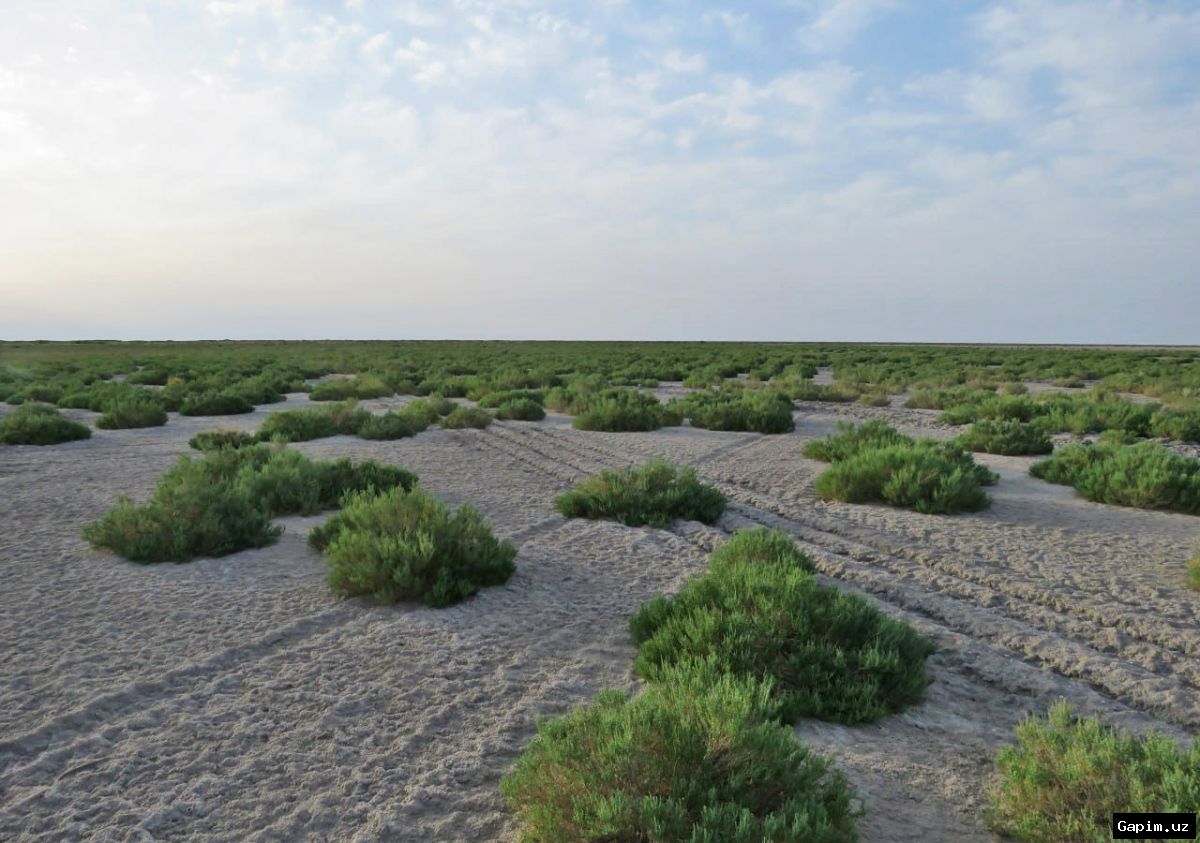
The President of Uzbekistan announced these new environmental solutions for combating desertification during a tree-planting event under the nationwide "Yashil Makon" (Green Space) project. This year, such gardens are being established for the first time based on Chinese experience in several districts, including Arnasay, Karakul, Mubarek, Karmana, and the city of Nukus. The initial pilot gardens cover 50 hectares.
Halophyte seeds cultivated in these gardens are expected to reduce soil salinity across thousands of hectares in the future and enhance soil fertility. Concurrently, the country is developing other greening infrastructure: last year, modern nurseries were launched in Khodjeyli, Yangiabad, Gijduvan, Balikchi, and Akhangaran, capable of producing up to 5.5 million ornamental seedlings annually.
The President also noted that the greening level in the republic has increased from 8% to 14.2% in recent years. Additionally, under the "My Garden" program, over 400 million soums will be allocated for each project, and deputies will receive 412 million soums each to organize parks and squares in their constituencies.
Source: podrobno.uz