Uzbekistan Launches Bonded Warehouse System for E-commerce in Two-Year Experiment
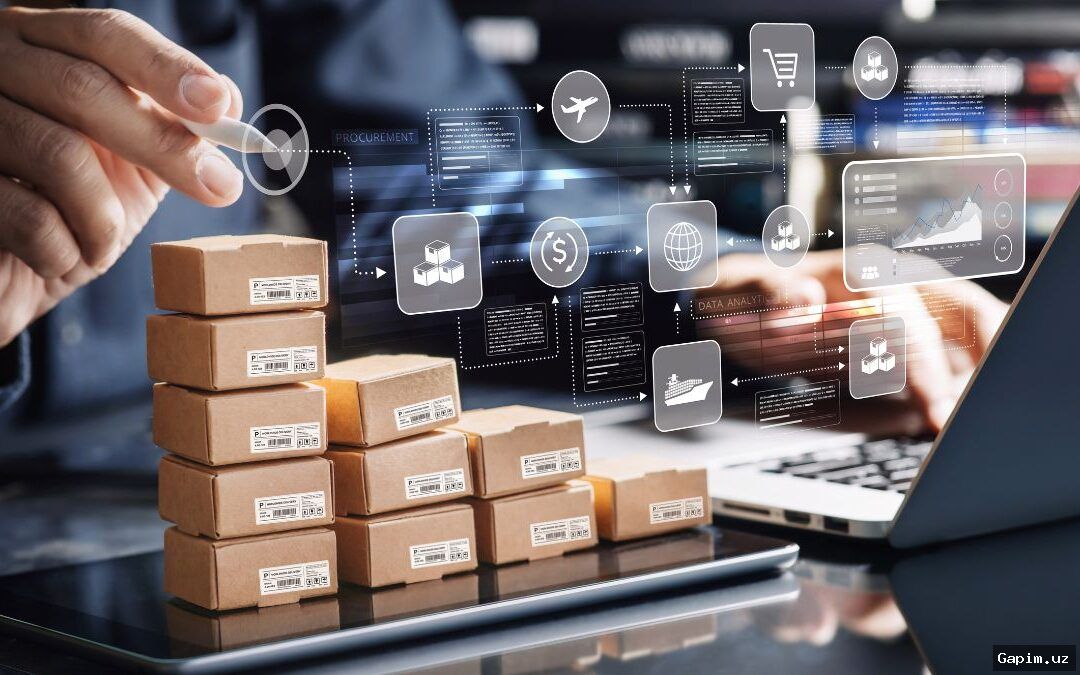
Uzbekistan is launching a bonded warehouse system for e-commerce as a two-year experiment starting July 1, as outlined in a presidential decree adopted on April 13. The key innovation involves introducing bonded warehouses designed for temporary storage of goods intended for the personal needs of individuals. The activity of such warehouses will be regulated based on the licensing procedures established for free warehouses.
Under the new system, a company first imports goods into Uzbekistan but does not immediately undergo customs clearance. The goods are placed in a bonded warehouse under a "free warehouse" regime and offered for sale through a special marketplace platform registered with the National Agency for Prospective Projects (NAPP). Only individuals can purchase such goods for personal use. The main difference is that customs clearance is conducted not at the border crossing but after the goods are purchased.
As part of the experiment, a special tax regime is introduced for several product categories. Smartphones, laptops, tablets, and certain other types of electronic products sold through bonded warehouses will be subject to a single customs payment of 5% of the sales value instead of the current customs duties. In addition to the mentioned electronics, for 30 other product categories, a procedure for collecting VAT and customs duty at a rate of 3% is established when sold through bonded warehouses.
The Customs and Tax Committees, together with warehouse operators and marketplaces, must implement a monitoring system for goods turnover. The primary goal is to identify cases where goods intended for personal use are purchased for resale. If signs of commercial activity are detected, customs payments for such operations will be collected under the general procedure without applying the preferential 5% rate.
The experiment will last until July 1, 2028, i.e., two years. This development comes against the backdrop of tightened duty-free import norms for individuals. Since May 1, 2025, duty-free import norms for goods for individuals have been reduced: now only persons who have been abroad for at least 2–3 days can use this limit. The limit on goods delivered to individuals through international courier services has been cut from $1,000 per quarter to $200 per month.
Source: www.gazeta.uz