A new funding system in Uzbek football has sparked significant debate. Clubs have received the first tranche of state support, with 35 billion soms allocated to each, but during distribution, a strict salary cap was imposed: no footballer can earn more than 27 million soms per month (approximately 23 million soms after taxes). This limit also applies to other club staff, such as head coaches, who cannot receive more than 10 million soms.
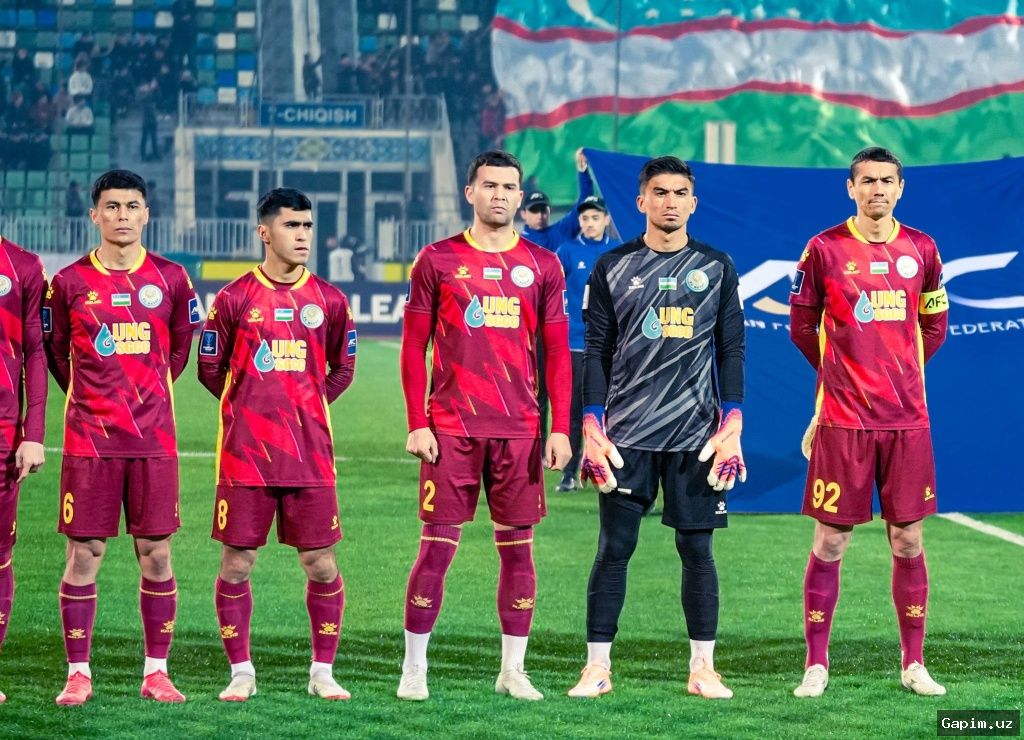
The new rules have come as a shock to clubs, particularly those that had already signed contracts with foreign players (legionnaires) for higher sums. Reports indicate that in one capital club, foreign footballers refused to attend training sessions upon learning of the new salaries. This situation has exacerbated financial challenges for clubs, including debts like those of "Bunyodkor," which still owes nearly 9.5 million dollars to Rivaldo and Denilson.
State financial support has been sharply reduced. According to representatives of "Uzbekneftgaz," the company previously allocated about 300 billion soms annually (around 25 million dollars) to football, but now the government has decided to gradually cut traditional subsidies and compel clubs to seek private investors and sponsors. This 2-3 year transitional period poses a serious challenge, forcing clubs to find independent funding sources.
The new system is described as a "bitter medicine" aimed at freeing football from dependence on state company subsidies. However, these changes may make it difficult to expect performance from professional players accustomed to higher incomes, though they could also create opportunities for young talents. Overall, this move may be crucial for the long-term development of Uzbek football, but it currently creates a difficult situation for clubs and players.
Source: kun.uz