Tashkent, Uzbekistan – Podrobno.uz. Scientists from the Center for Genomics and Bioinformatics, together with the Cotton Council under the President of the Republic of Uzbekistan, have for the first time published a comprehensive analysis of the large-scale transformation of the country's cotton sector in the prestigious journal Scientific Reports, part of the Nature group.
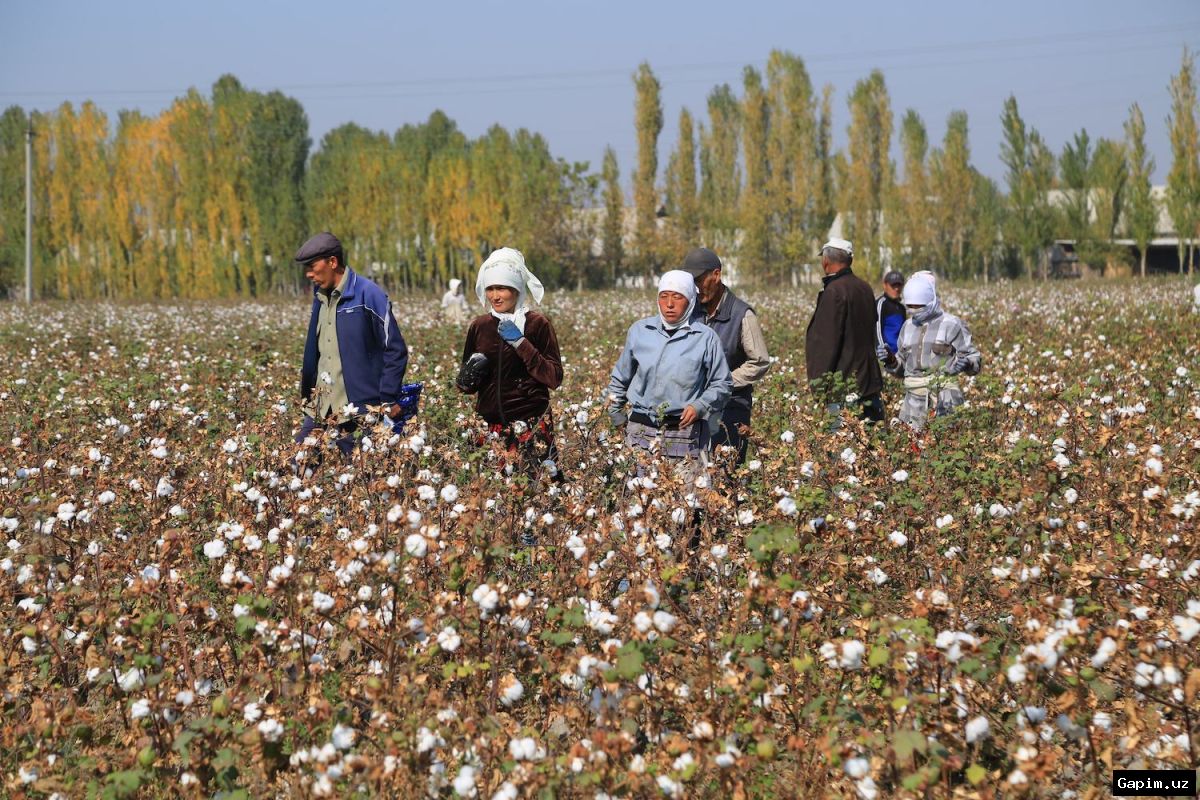
The study confirms the achievement of a significant milestone in sustainable intensification, where the republic managed to substantially increase production volumes while simultaneously reducing cultivated areas.
According to the published data, from 2021 to 2025, the average cotton yield nationwide increased by 40.4% – from 3.24 to 4.55 tons per hectare. At the same time, the area under cotton cultivation decreased by 15.1%, allowing the freed-up land to be redistributed for food crops and youth needs. Advanced biotechnologies, including the "Porlok" series varieties created using RNA interference technology, have been introduced on 38.51% of all areas.
The application of intensive agronomic systems inspired by the experience of Xinjiang, combined with domestic biotechnological developments, led to a reduction in production costs by 55.4% per hectare. Eric Trachtenberg, Executive Director of the International Cotton Advisory Committee (ICAC), noted that the Uzbek model clearly demonstrates how genetic innovations, coupled with sound state policy, can transform the agriculture of an entire nation.
Source: podrobno.uz