The Senate of the Oliy Majlis of Uzbekistan approved a law on May 19 that introduces administrative liability for failing to inform a buyer about changes in odometer readings or replacement of the device measuring distance traveled.
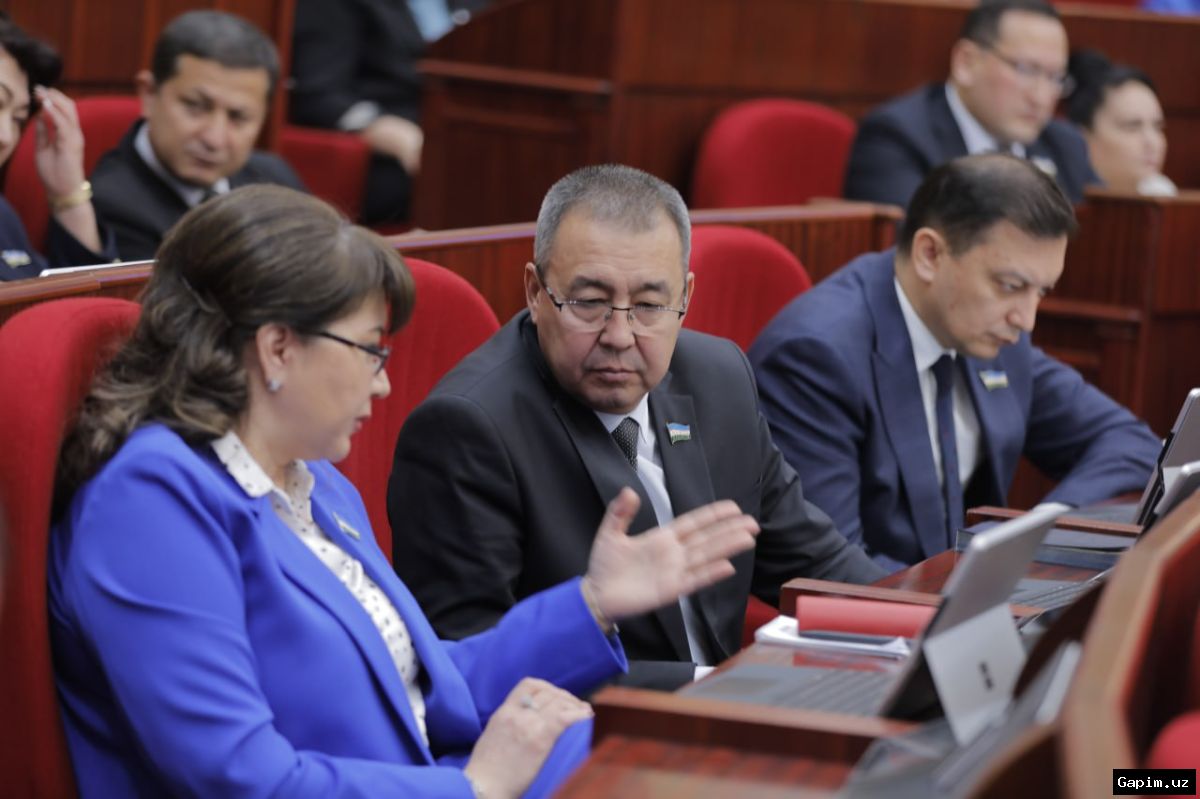
Senator Abdulhakim Eshmurodov stated that the document aims to improve administrative liability legislation, strengthen protection of citizens' rights, and ensure fairness, impartiality, and transparency in administrative proceedings.
Specifically, the Code of Administrative Liability is supplemented with Article 178−2, which establishes liability for not informing the buyer about altered odometer readings or a replaced odometer.
According to the rapporteur, this norm is intended to prevent fraud in the car market, eliminate abuses in car sales, and ensure consumers' right to reliable information.
The law also revises Article 343 of the Code, which governs the procedure for reducing the period of deprivation of the right to drive a vehicle or hunt. Such matters will now only be considered by a court and under strictly defined conditions.
The reduction of the deprivation period does not apply to repeat offenders or those who have previously used such a privilege.
According to the Senate, the law was developed based on the experience of Germany, France, South Korea, and other countries. It is expected to contribute to consumer protection, strengthen guarantees for minors' rights, and ensure legality in law enforcement practice.
Senator Qobul Tursunov noted that in practice, it is difficult to determine who exactly changed the odometer readings—the car owner or the seller—as this requires a special technical examination.
“My question is: what circumstances will be considered as the main evidence base in proving guilt under this article?” asked the senator.
Deputy Chairman of the Supreme Court—Chairman of the Judicial Panel for Economic Cases—Shukhrat Polvonov stated that the key fact will be the buyer's lack of notification about altered odometer readings or replaced device before the car sale.
He explained that such materials reach the court only after relevant circumstances are identified in cooperation with specialized units of the Ministry of Internal Affairs.
“Therefore, the primary evidence is the confirmation of this fact, i.e., the circumstance established in the expert opinion. This is identified, for example, based on a buyer's complaint,” said the Supreme Court representative.
According to Shukhrat Polvonov, if a buyer discovers such a situation in their car, the purpose of the new norm is to protect their consumer rights.
“Thus, the main circumstance here is the fact established by the examination and the responsible units of the Ministry of Internal Affairs,” he emphasized.
Source: www.gazeta.uz