Tashkent has launched the 'INTIL' international center, designed to train citizens planning to work abroad. The establishment of this facility comes amid changing labor migration rules. While going abroad for work was once seen as a personal decision, legal employment channels and pre-departure training are gaining importance. For Uzbekistan, this is particularly crucial as it seeks new labor markets beyond the CIS and aims to make the emigration process more transparent and safer.
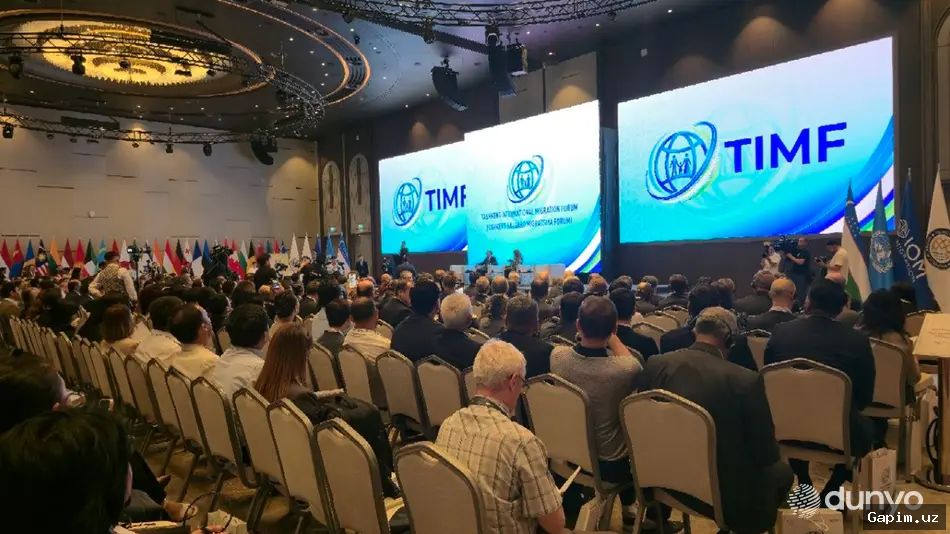
The center offers a wide range of training facilities: classrooms for 600 people, practical workshops for 180, an examination center, and a spacious dormitory. Practical training covers welding, plumbing, electrical work, truck driving, and other in-demand skills abroad. Language instruction includes Russian, English, German, Italian, French, Japanese, and Korean. Preparation for international exams such as OSD, J-CERT, and EPS-TOPIK is also provided.
The significance of such projects goes beyond the number of classrooms or specialties. Serhan Aktoprak, a representative of the International Organization for Migration, told Podrobno.uz that migration policy should start with education and conscious preparation: 'The most important thing is to start with education. Young people and the older generation must first realize that each of them plays a role. It is not only the government's responsibility; everything begins and ends with the individual's desire.'
In this logic, pre-departure training becomes a way to reduce potential risks for citizens. Individuals must understand in advance what documents they need, their rights and obligations, the differences in labor culture, and professional requirements. 'It is not only about managing migration flows or setting policies and legal frameworks, but also about protecting the rights of people involved in these processes. It is also about respecting human dignity,' Aktoprak emphasized.
However, infrastructure alone does not guarantee results. The effectiveness will depend on how well programs align with real vacancies, selection criteria, training conditions, and post-arrival support. Hikmet Okur from the Turkish delegation noted that migration extends beyond employment: 'Migration today affects many aspects of life and labor: it must consider livelihood means, environmental aspects, family ties, and labor rights.'
Thus, the center's opening can be seen as part of a broader preparation system involving certification, consulting, and international employers. The center has announced targeted programs with foreign partners, including RecrudMed, RRG, Bildung und Beruf, SBH West, Onodera, and KIA Auto Q.
Several questions remain: who can enroll, whether training is free or paid, and how accessible programs are for regional residents. These details will ultimately determine if the center becomes a convenient pathway to legal employment.
Uzbekistan is attempting to transform labor migration into a more structured system. For citizens, this could mean less uncertainty before departure. However, the true value of 'INTIL' will only become clear in the future, depending on how many people, after training, can safely, legally, and with acquired skills enter new labor markets.
Source: podrobno.uz