Uzbekistan has seen a dramatic 2.5-fold increase in drug-related crimes over the past five years, according to official data presented at a press conference on June 25. Farhod Hasanov, head of the Agency for Control of Narcotics and Ammunition, revealed that the number of such crimes rose from 6,000 in 2021 to over 15,000 currently.
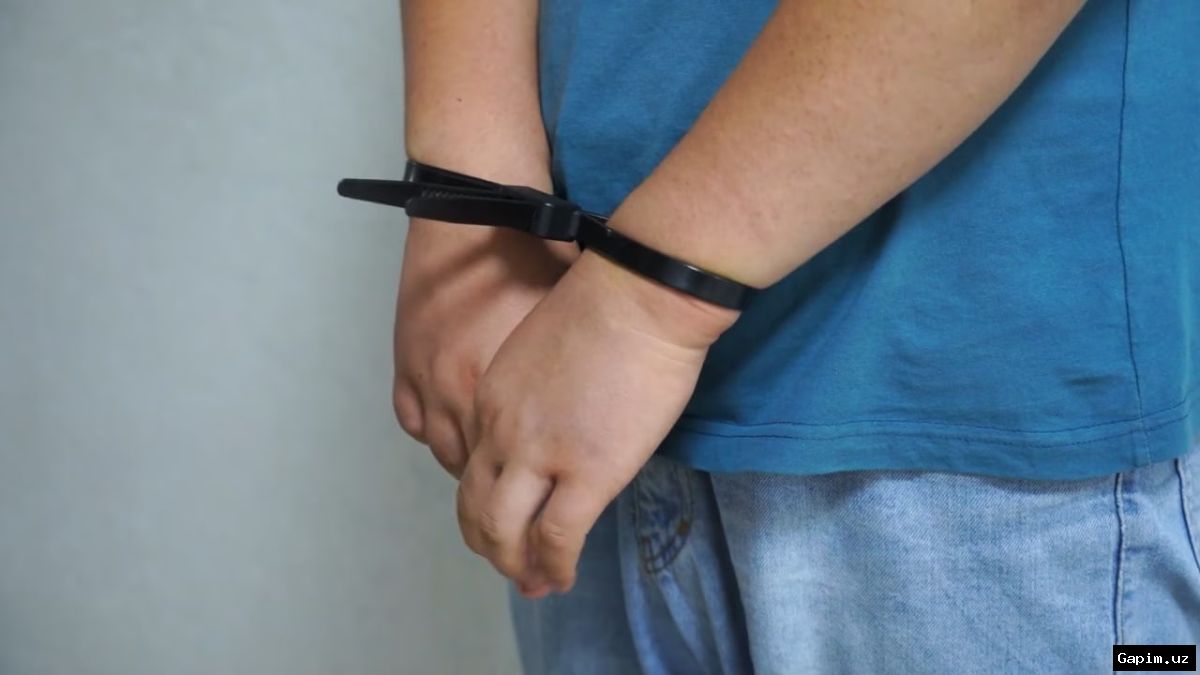
The amount of narcotics seized from illegal circulation has doubled, while synthetic drugs have surged sevenfold. Hasanov described the situation as “alarming,” noting that criminal groups are increasingly using social media, cryptocurrencies, and electronic payment systems to conduct their operations.
The number of illegal drug laboratories has also skyrocketed. In 2021, only four were discovered; in the first five months of 2026 alone, 14 have been shut down. Hasanov stressed that these labs are often located in residential areas – in mahallas (neighborhoods), on streets, and in the basements of apartment buildings.
“We must be honest: where are the 14 laboratories found this year? In mahallas, on streets, and in basements. We personally visited some with the Interior Ministry leadership. A lab operates freely in a basement while ten apartments and over twenty residents live in the same building. Why the indifference? Tomorrow this scourge could enter their homes,” he said.
Hasanov emphasized that law enforcement efforts alone are insufficient and called for greater public involvement. He urged citizens to report suspicious activities, noting that many labs go unnoticed due to community apathy.
Daily operations result in over 70 raids, with 20-30 individuals detained and an average of 14 kilograms of narcotics seized. Traditional drugs are being replaced by synthetic psychotropic substances, which are easier to produce and conceal.
Smugglers are using increasingly sophisticated methods to hide drugs, including inside walnuts, magazine pages, and dolls. However, authorities claim these attempts are being detected in a timely manner.
The fight against online drug sales has intensified: 1,818 channels and bots have been blocked this year, including 576 Telegram bots, 965 closed channels, and 277 open channels. These channels had a combined subscriber base of over 612,000.
Drug crimes are “getting younger,” with adolescents as young as 12-14 being drawn into the trade. “This crime specifically targets young people, and that is no exaggeration,” Hasanov warned.
Abdulaziz Muminov, deputy director of the Youth Affairs Agency, said research shows that the 16-22 age group is particularly vulnerable due to curiosity and peer pressure. Some youths try drugs to relieve aggression and then become dealers themselves.
Surprisingly, 92% of young people involved in drug crimes are employed and have income, indicating that economic hardship is not the primary driver. Muminov noted that many young offenders are unaware of the legal consequences.
According to Khushvaqt Uralov, head of the Crime Prevention Service of the Interior Ministry, about 5,700 drug crimes were recorded in January-May 2026, with 94% committed by men.
Azam Bekpulatov, a representative of the Ministry of Preschool and School Education, reported that 53 school students were involved in drug crimes in the first five months of 2026, with the highest numbers in Tashkent city and Namangan region.
Alisher Islomov, a chief specialist at the Ministry of Higher Education, Science and Innovation, said that 56 university students committed drug crimes in 2025, and 12 in the first six months of 2026. He called this a “deplorable situation.”
Hasanov concluded that the biggest challenge remains building public immunity to drug crimes. “We must admit that our propaganda and explanatory work has not reached everyone yet. This is a bitter truth,” he said.
Source: www.gazeta.uz